
A Comprehensive Model of Human Courtship: A Synthesis of the Psychologies to Decode Love and Romance

For the past 25 years, I’ve worked on a detailed and coherent human courtship model based on theory and research.
I know it’s a grand statement to make.
Still, it is the one thing in my life I have spent the most time, energy, and passion in deciphering—countless hours correlating the existing theories of couples counseling, the four psychologies, and in its first and largely unexplored phase, using the joining points of Jungian Psychology and Evolutionary Psychology.
The research data on singles and marrieds only started taking off as late as the 1990s, when attachment was finally applied to adults in love, not just infants and mothers. As a result, the scientific endeavor to decode the entire span of human courtship processes is one of psychology's frontier areas.
Some might be surprised that the famed Conrad Lorenz (who discovered imprinting) went on for the rest of his life to apply his findings to none other than human courtship itself, and with good reason.
It’s that the steps of courtship, especially in the first phase where early dating and sexual attraction take place, is the second most impactful imprinting processes in our lives, in Lorenz’s defining terms.
At those early steps, as in Lorenz’s ducklings, there need to be the right conditions in the environment, the right timing in the psychological development of the participants, and finally, the right actions that form what amounts to an instinct being activated by the above conditions.
This is most likely what drove me to commence such a project because, until the advent of Barry and Seager’s work on male psychology—and that of many others such as David Buss, Matt Ridley, Geoff Miller and others who study general evolutionary psychology and which may be applied to automatic, instinctual behaviors—I had no strong inspiration for the idea of the “instincts” being “turned on” in the right way, at the right time, in the right environment, and via the right social and romantic actions, differentiated by biological sex.
This is to say these instincts are none other than masculine and feminine instincts being “turned on” and “imprinted” on the members of the budding couple.
It is the very process of “falling in love.”
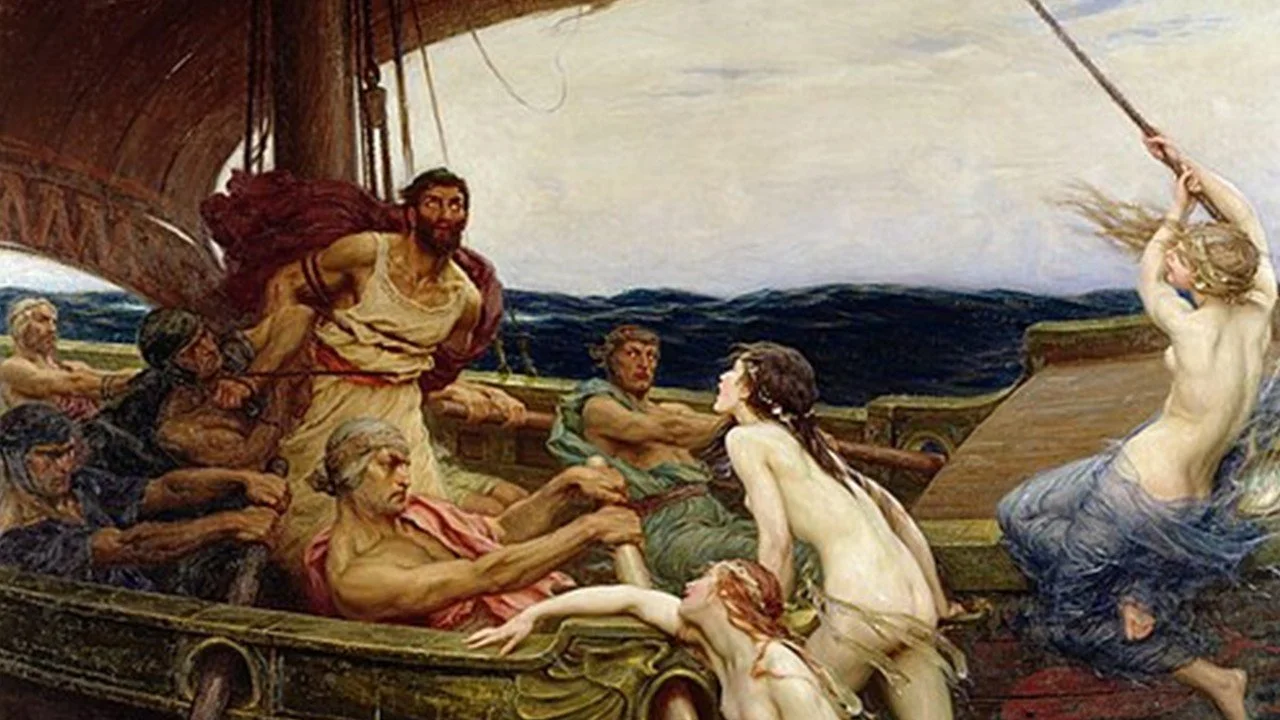
“The painting and the myth are offering us the secret code to the whole first phase of human courtship: Sexual Attraction. To me, this is nearly as exciting a revelation as one might see in a Dan Brown novel.”
My best shorthand explanation of masculine and feminine instincts—and why I use a mythical canon such as that of the ancient Greeks for nomenclature—is that Jungian Psychology gives us a necessary link between the unplumbed areas of the unconscious through our literature, with the testable research of Evolutionary Psychology:
Whatever one’s orientation is, there can be no passion between them without some polarity in behavior that attracts two people and gives rise to passion.
With a nod to Freud’s Psychodynamics, I call this model and system, Romantic Dynamics®.
When I travel to London to informally teach the model (while walking the city together), I always take students to the National Gallery in Trafalgar for an afternoon.
Some of the paintings I first saw many years ago are instructive in piecing together the working parts of human courtship, most notably the incredible Wtewatl masterpiece The Judgment of Paris.
The Greek myth depicted in this painting reveals the first three male and three female instincts of romance, the beginning of laying out the first three steps of human courtship for us.
It begins with the tale of Zeus’ solution to a great conflict started at an Olympian feast by Eris, the goddess of discord. Her devious, jealous plan was to spread that emotion by rolling a golden apple into the festival, inscribed with the word Kallisti—or “for the fairest.”
Before any celebrants realized this, the goddesses Aphrodite, Hera, and Athena were in bitter conflict over who should possess the honor of “being the fairest.” (This means that the myth is about to reveal what three female traits are the most universally attractive to males.)
Zeus proposed that the most desirable, wealthy, famous, handsome mortal in the world, Paris, be the one to decide the contest’s winner. (This means that the myth is about to reveal in his behavior what three male traits are most attractive to females.)
The painting and the myth are offering us the secret code to the whole first phase of human courtship: Sexual Attraction.
To me, this is nearly as exciting a revelation as one might see in a Dan Brown novel.
Over the course of the next twelve months, I am going to cover all nine major steps of human courtship I believe to exist in three phases: the sexual attraction, emotional attraction, and intellectual attraction phases.
These, those of you in the psychological sciences will quickly recognize as correlating with Paul Maclean’s Triune Brain model discussed in Evolutionary Psychology: that the functions of the mind may be divided into “reptilian” (instinctual, sexual), “mammalian” (emotional, friendship), and “higher brained” (intellectual, goal-driven and therefore success and partnership-oriented) phases of courtship.
Those of you from more literary, historical and anthropological studies may then also see an overlay from the human mind’s tendency to tell stories, interpret, digest, learn from, and implement them in our lives as one does in psychotherapy, as well as most of our meaningful communication with each other.
The “three-act play” is relevant here, with a nod to Jung.
Indeed, our lives, and most certainly our romances—the human experiences offering the most insight and personal growth opportunities in them—come in the form of a “three-act play” with a beginning, a middle, and an end.
“It’s worth studying because romantic love is needed in the obvious ways that keep our divided society together.”
This story structure of our lifetime development and long-term relationships is more than just worth studying voraciously to find the romantic love we all need.
It’s worth studying because romantic love is needed in the obvious ways that keep our divided society together: that long-term partnership necessitates communication, understanding, and accord like no other human experience, and that the potential offspring it creates, guarantees the human species will continue.
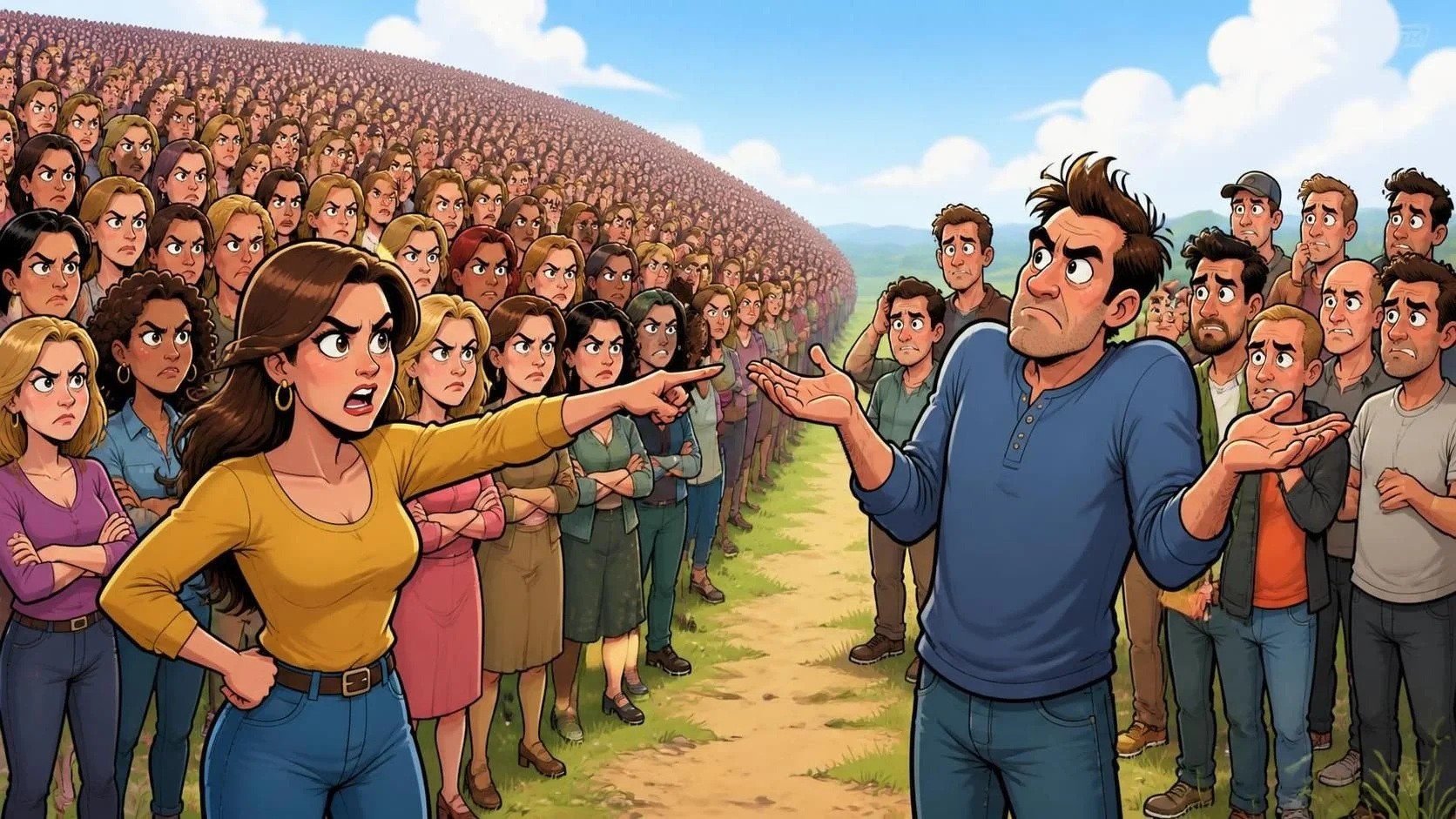
For those of a sociology orientation, there is even something accessible: that most of the societal ills you study are caused by the massive and growing discord between men and women, the failure to form lasting, cohabitating, loving families en masse, and the denial that masculine, feminine and the instincts of the unconscious even exist—as opposed to us being blank slates upon which every behavior is somehow learned and expressed like a masterful actor could not even have the stamina to display, perpetually, through every day of a lifetime.
Join us in a series over the coming twelve months, covering the phases of Sexual, Emotional, and Intellectual Attraction as “three acts of our play,” each with three crucial, repeatable, reliable, measurable, statistically reliable “steps” that correlate with the emerging Evolutionary Psychology research.
You’ll see these steps have played out in every relationship you have had, the ones that have failed on account of imprinting not occurring in one of the nine, and the successful and lasting relationships having been so on account of you having achieved most of the nine as a lasting couple.
I will respond to any questions about this new model through the coming year in the comments below, at romantipedia.substack.com, and at the location of the entire model explained at romantipedia.com.
Scroll down to join the discussion
Disclaimer: This article is for information purposes only and is not a substitute for therapy, legal advice, or other professional opinion. Never disregard such advice because of this article or anything else you have read from the Centre for Male Psychology. The views expressed here do not necessarily reflect those of, or are endorsed by, The Centre for Male Psychology, and we cannot be held responsible for these views. Read our full disclaimer here.
Like our articles?
Click here to subscribe to our FREE newsletter and be first
to hear about news, events, and publications.




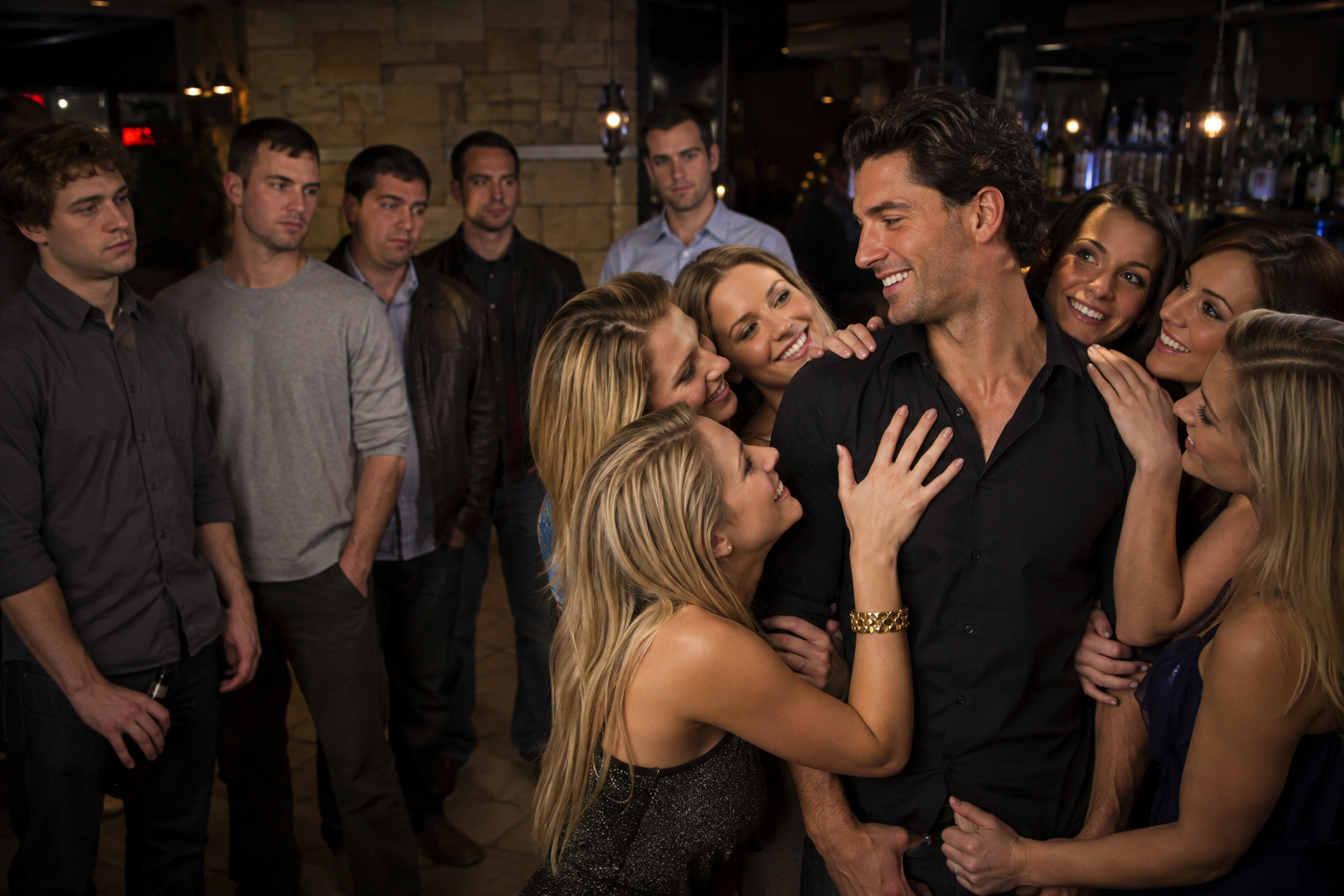
When a male is in a power imbalance, at least two masculine instincts are disempowered…

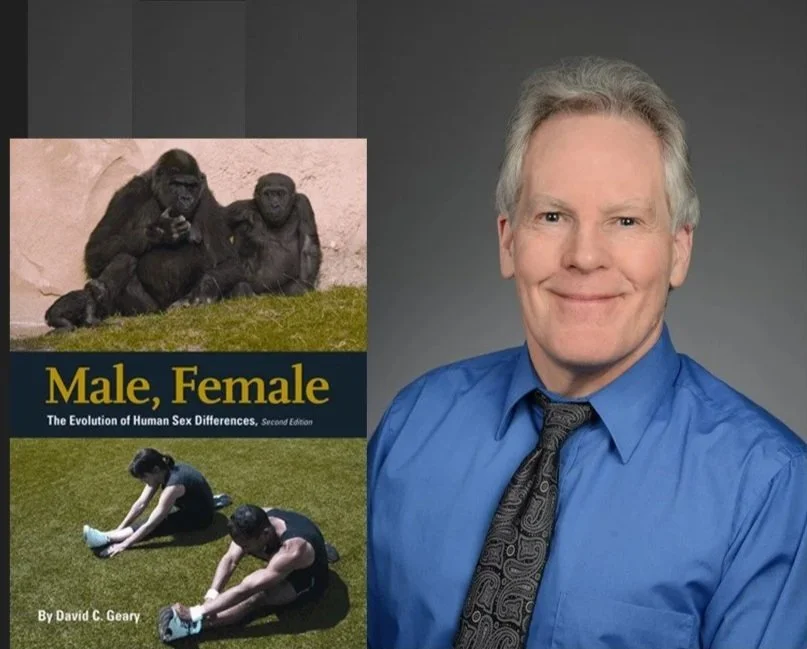
…people – men and women alike – respond less positively to male-favouring sex differences than they do to female-favouring sex differences.
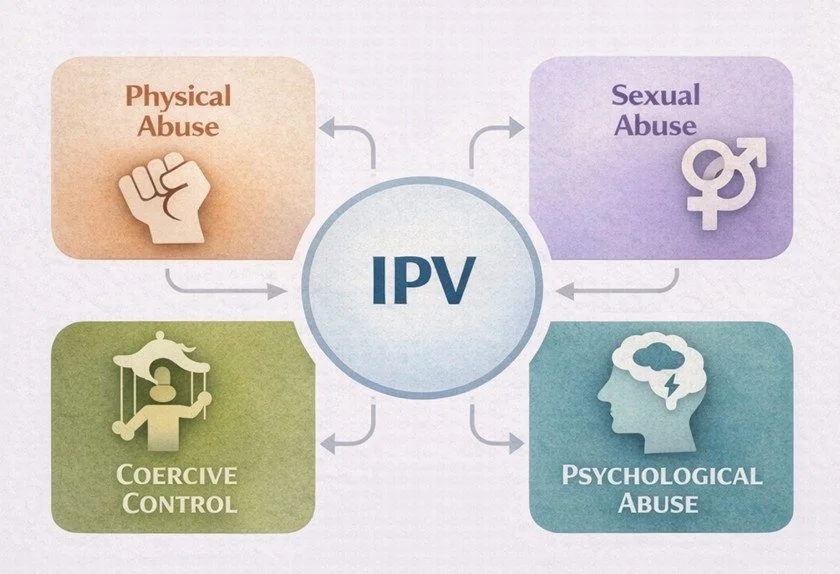
hyper-masculine gender norms are typically embedded within military institutions, and while adherence to these norms can contribute to combat and military success, they conversely make clinical work challenging
Men might benefit greatly from a government strategy aimed at improving their health. Here are suggestions from the Centre for Male Psychology on how that might be done. This article ends with some comments on potential pitfalls in the process of putting this strategy in place.



…people – men and women alike – respond less positively to male-favouring sex differences than they do to female-favouring sex differences.


… many papers do not even bother to identify or justify the nationality of their samples…


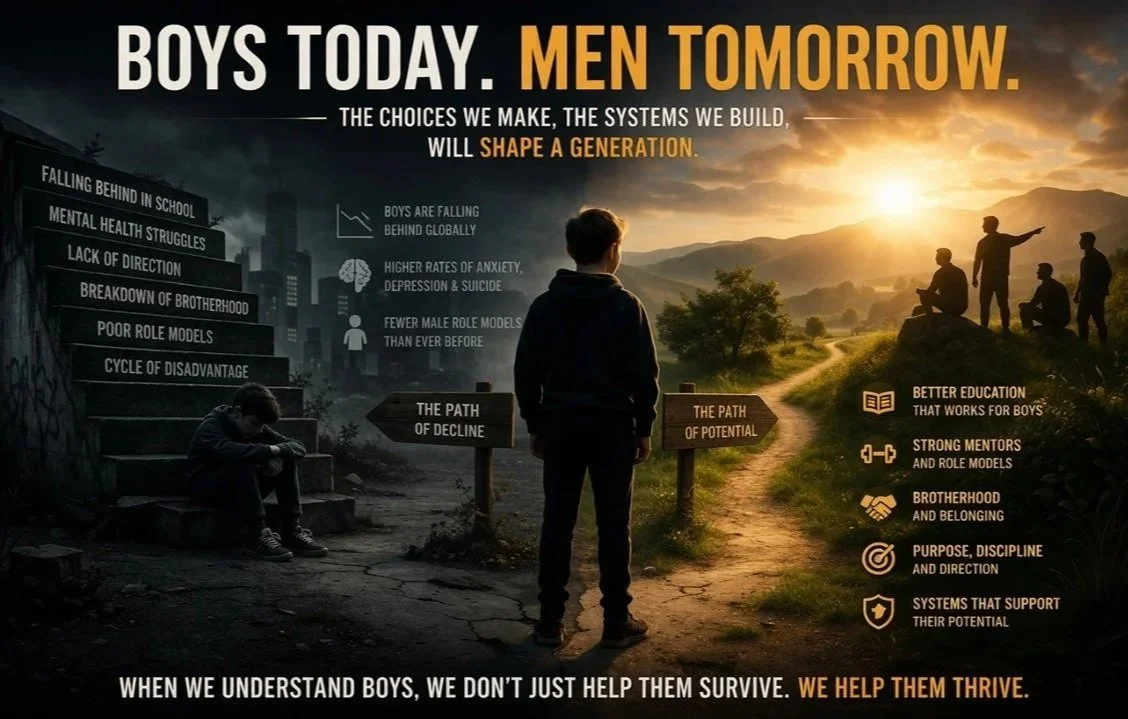
hyper-masculine gender norms are typically embedded within military institutions, and while adherence to these norms can contribute to combat and military success, they conversely make clinical work challenging


Have you got something to say?
Check out our submissions page to find out how to write for us.
…people – men and women alike – respond less positively to male-favouring sex differences than they do to female-favouring sex differences.
There is social power, there is structural power, and there is physical power. What women have in our society is the power of the state behind them, and men do not. Men only have that physical power, and most men don’t want to use it


Masculinity may be just the tonic (remedy) needed by society at a time when it has recently suffered so many fractures.

“The place that people feel least free to speak their minds are oftentimes university, which I found absolutely stunning.”
Peer reviewers seem to be more accepting of my research on physiological differences between men and women (e.g., muscle fatigability) and less accepting of my research on psychological differences.

Generally speaking men’s humour is a good predictor of relationship satisfaction, as long as the woman appreciates it. A lot of studies show that men try to impress women with humour.

I was left with no doubt that men were struggling in myriad ways with stress and psychological illness – yet it has always been the discourse of the ‘desperate housewife’ that has attracted the most publicity, both in medicine and popular culture

…many professionals seem to interpret the evidence “most convicted child sex offenders are men”, as “children are more at risk from their father than their mother.

…people – men and women alike – respond less positively to male-favouring sex differences than they do to female-favouring sex differences.
IMD is not recognized by the UN because many believe we live in a patriarchal world and that the focus of the UN should be on women and children.

I’ve become curious why people, including very smart people with Ph.Ds, tend to leap at moralistic conclusions, adhere to them and consider them “science” when they are no such thing.

…critical gerontology focuses on the political-economic approach and consequently had a limited perspective on women and men: economically the former were seen as deprived and men privileged. Men were therefore disregarded.

…There is a reason why men who speak up on these issues tend to be retired or unemployed.

People depart a man in trouble [but as] soon as a man's got someone to talk to he will pour his heart out.
people are more aware of the fact men can be victims of this type of violence, but this often isn’t translated into policy, practice or indeed provision of resources

The brutality of the person's offence is generally related to the brutality of what they've experienced during childhood.

There is social power, there is structural power, and there is physical power. What women have in our society is the power of the state behind them, and men do not. Men only have that physical power, and most men don’t want to use it

90% of men in prisons have come from generational family violence… So when they're violent - which is what they've learned - we then perpetuate the violence by putting them in prison.

“I feel very strongly that the pendulum has swung too far, as it always does, the swing from a very male dominated patriarchal society to a very, very female dominated society where men …”

…the feminist movement has done inestimable damage to the mental health of boys and men. Making boys second class at school, teaching them that males are bad by nature and that women have suffered at the hands of men inevitably leads to boys feeling unhappy about themselves and adopting the unruly, delinquent behaviour which is expected of them.

Some people blame drill music – a form of rap - for the rising murder rate in London. Drill is known for aggressive lyrics about gang violence, but rather than seeing this as a valuable way for young men to express their feelings, some people want to ban it.

Gender scholars and activists were aghast a few years ago at the depiction of a feminist, in a documentary movie called The Red Pill, who unexpectedly learned to empathise with men. In a rare interview, director and star of The Red Pill, Cassie Jaye, reflects upon the impact the movie has had on herself and others.
.
 Paul Dobransky
Dr Paul Dobransky is a psychiatrist based in the US, specializing in the psychology of love, work, and character growth. He is author of the book, The Secret Psychology of How We Fall in Love, from Penguin/Plume. Dr. Paul’s Substack.