


There is the belief that heterosexuals have casual sex (one-night stands or one-off sex with acquaintances) because they simply desire the pleasure that comes with it. The underlying assumption here is that the only reason men and women, but particularly men, have casual sex, is to be quickly satisfied. Research shows that in committed relationships, there are myriads of reasons, including emotional satisfaction. But casual sex is different, right?
Taking a closer look, this understanding is dominant in the literature because it is typically the only idea that is often tested. If you ask American college students only one question (i.e. Do you enjoy casual sex?) you will get only one answer. In such questionnaire studies, young men and women, but particularly men, report that they enjoy sex. However, merely ticking a box provides no understanding of why they enjoy casual sex, or whether there is more to it.
Panteá Farvid and Virginia Braun from two universities in Auckland, recently explored this topic. In the latest edition of The Journal of Sex Research, they published their qualitative results for 30 participants (15 men and 15 women), between the ages of 18 and 46. Qualitative research is different from quantitative research because interviews elicit more detailed and varied information from participants than is often possible with questionnaires. Analysis often identifies common themes that all, or most, participants spoke about.
In their analysis, they identified four themes that most participants, both men and women, spoke about. Firstly, there is the idea that casual sex is a thrill. Surprisingly though, it was not the actual sex that was thrilling. Instead, it was the influence of an unfamiliar context, and particularly for men to ‘spice things up.’ For men, the thrill came in the form of sexual variety. For women in this sample, casual sex was seen as a form of sexual freedom. Secondly, sex was perceived as an ego boost for both sexes. They differed, though, in the way it boosted the ego. Men used casual sex as an external confirmation of their sexual ability and to be able to boast in front of their friends. In contrast, women felt more desirable. Instead of boasting about it, they celebrated this in private.
“The before and after felt awkward in that for both men and women, negotiating sex and waking up the next morning, felt strange.”
However, both men and women also found casual sex to be awkward and uncomfortable. The before and after felt awkward in that for both men and women, negotiating sex and waking up the next morning, felt strange. Interestingly, the sex itself was not pleasurable either. Men often felt stressed because they were under the pressure to “perform” or even be “sexperts.” And finally, both sexes thought of casual sex as disappointing or unfulfilling. This was particularly true for the actual sex: It did not feel like a ‘whole experience’ as the emotional intimacy was missing. Overall, men mentioned behaving in a more ‘selfish’ way during one-off sex, though.
This study shows that there is more depth to the casual sexual experiences of men and women than is often found in questionnaire studies. Casual sex is an ego boost, and the context can be thrilling, but the actual sex it is perceived as awkward, uncomfortable and disappointing. Of course, this study, like any study, needs to be considered carefully. Only 30 people who live in New Zealand were asked. Although this is large for detailed interview studies, might not generalise to people outside, or even in, New Zealand. Nonetheless, it brings in a fresh look at casual sex that expands our understanding of this subject.
This article was first published on the Male Psychology Network website in 2017
Scroll down to view comments
Disclaimer: This article is for information purposes only and is not a substitute for therapy, legal advice, or other professional opinion. Never disregard such advice because of this article or anything else you have read from the Centre for Male Psychology. The views expressed here do not necessarily reflect those of, or are endorsed by, The Centre for Male Psychology, and we cannot be held responsible for these views. Read our full disclaimer here.
Like our articles?
Click here to subscribe to our FREE newsletter and be first
to hear about news, events, and publications.







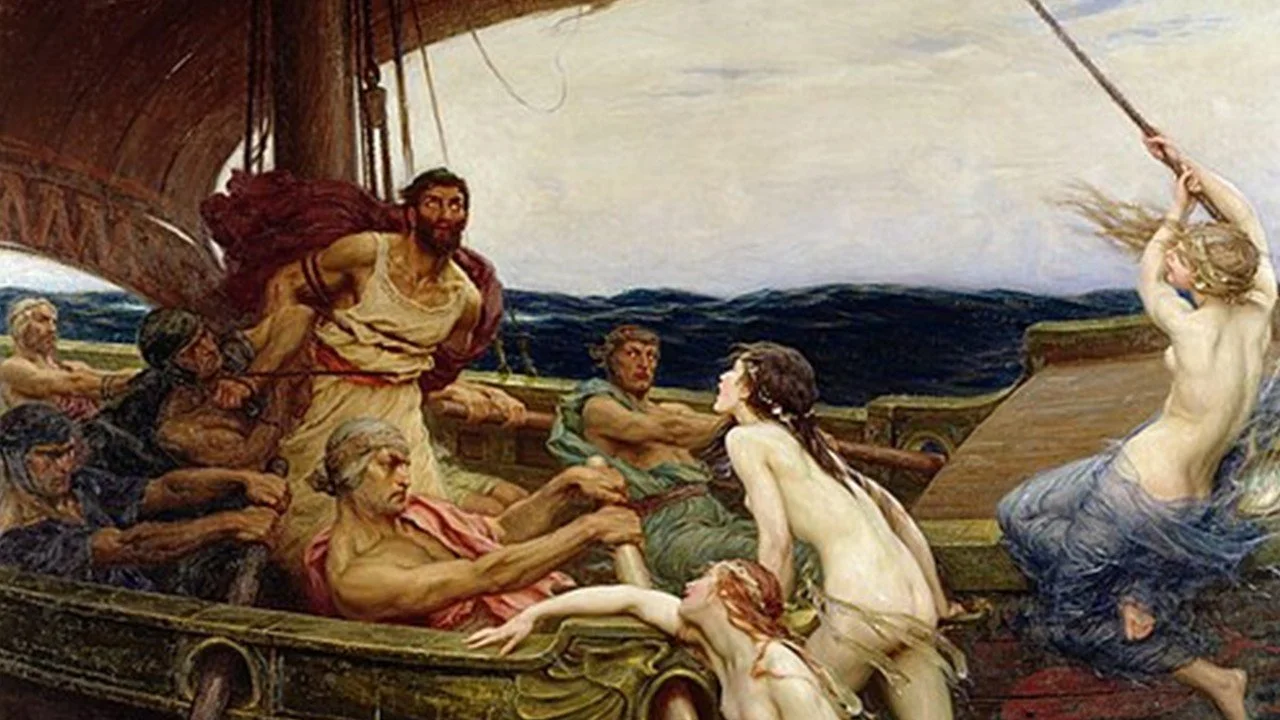

When a male is in a power imbalance, at least two masculine instincts are disempowered…

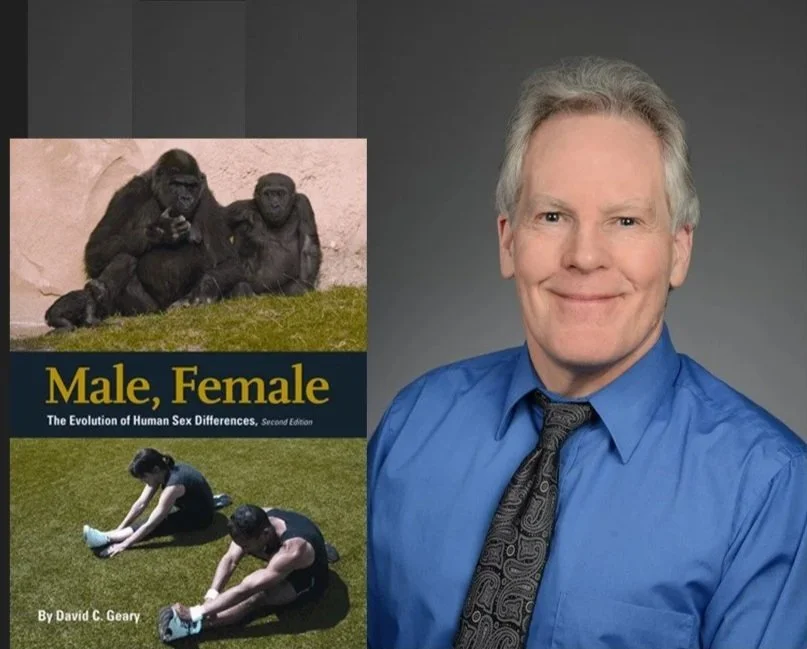
…people – men and women alike – respond less positively to male-favouring sex differences than they do to female-favouring sex differences.
hyper-masculine gender norms are typically embedded within military institutions, and while adherence to these norms can contribute to combat and military success, they conversely make clinical work challenging
Men might benefit greatly from a government strategy aimed at improving their health. Here are suggestions from the Centre for Male Psychology on how that might be done. This article ends with some comments on potential pitfalls in the process of putting this strategy in place.



…people – men and women alike – respond less positively to male-favouring sex differences than they do to female-favouring sex differences.



… many papers do not even bother to identify or justify the nationality of their samples…


Have you got something to say?
Check our our submissions page to find out how to write for us.
hyper-masculine gender norms are typically embedded within military institutions, and while adherence to these norms can contribute to combat and military success, they conversely make clinical work challenging

hyper-masculine gender norms are typically embedded within military institutions, and while adherence to these norms can contribute to combat and military success, they conversely make clinical work challenging
hyper-masculine gender norms are typically embedded within military institutions, and while adherence to these norms can contribute to combat and military success, they conversely make clinical work challenging

hyper-masculine gender norms are typically embedded within military institutions, and while adherence to these norms can contribute to combat and military success, they conversely make clinical work challenging

hyper-masculine gender norms are typically embedded within military institutions, and while adherence to these norms can contribute to combat and military success, they conversely make clinical work challenging

Much of our attitudes, theorizing and public debate around men and masculinity is influenced by high profile feminist and Gender Studies scholars in academia. But what is the scientific quality of publications from these scholars?

Some people blame drill music – a form of rap - for the rising murder rate in London. Drill is known for aggressive lyrics about gang violence, but rather than seeing this as a valuable way for young men to express their feelings, some people want to ban it.

To survive… cultures have to use men and women effectively and … in fact, most cultures have used men and women in different ways… what our culture does is [grant] greater status to men and greater protection to women

hyper-masculine gender norms are typically embedded within military institutions, and while adherence to these norms can contribute to combat and military success, they conversely make clinical work challenging
There are around 300,000 veterans living with hearing loss in the UK, according to The Royal British Legion. In addition to being at a greater risk of PTSD, depression, and anxiety, many vets are also battling psychological distress from hearing problems.

The book begins with a description of her therapeutic approach, and an illustration of how to understand and work with the rage often seen in male CSA clients.

I felt in my dealings with some police officers, as though I were treated firstly as a man (assumed to be a perpetrator), but they’d overlooked risks associated with my impairment. Example: How can you dodge a missile you don’t see coming?

The Panorama programme on domestic violence failed to adequately highlight two important issues: male victims and female perpetrators.

your photograph, name and address, might appear in the local and national press and on TV, insinuating what an evil monster you are

…an attack upon masculinity is an attack upon one’s sense of self, of identity. …What, then, is the right psychological defence against such an attack?

The male has been designed to “look”, not only at the female, but to “look out” for prey, for danger, and for ways to protect his family unit.

If his child is allowed to live, this man must be available, for the rest of his life, to love and provide for his child… If, on the other hand, it is decided that his child is to be destroyed, he should be able to go about his life as if nothing has happened

Socialising is a basic human need. The opposite – social isolation – is one of the worst forms of torture. Some people look down on the local pub as a place for undesirable riff raff, but that narrow viewpoint misses entirely the community value of the pub

Male psychology is a recent development in academia. Unlike gender studies, feminism, and men’s studies, male psychology takes the view that we can gain more by recognising and harnessing the positive aspects of masculinity than we can by taking a relentlessly negative approach to men.

.