


Recently, my daughter (age 6) and I visited the Natural History Museum in London. It is famous for its huge dinosaur collection. It even includes real life moving dinosaur models, which young children love to watch. This means lots of the visitors there are well under the age of 10 on a day out with their families.
“We walked along the cubicles to a free one, but in doing so, several middle-aged women sneered at me: “This is the ladies”, I was told.”
After an exciting visit to the dinosaurs and choosing a toy in the gift shop, it was time for the toilet. Not for me, just my little one. The reception kindly pointed to the direction of the toilets. There were two doors, one for women and one for men. For me, I intuitively went for the “Ladies”, given that I was looking after a little lady. Inside, there was a huge set of cubicles, all fully closable to give lots of privacy. We walked along the cubicles to a free one, but in doing so, several middle-aged women sneered at me:
“This is the ladies”, I was told.
“Yes” I said gesturing to my daughter, “and this is one”.
My daughter did her business and we went over to the age-appropriate low handwashing basins, which was all nice and clean (there was a female cleaner on site).
Once I got home, I reflected on the day, and decided to look up the topic of dads helping their little daughters going to the toilets. Turns out this is a world-wide issue! It struck me that the situation involved different needs and emotions from the people involved, the child, the dad, and the women using the toilets.
First, there is the child, who needs to go to an appropriate toilet and wants to be accompanied by her dad. No surprise there – a girl growing up in a small village needs help and constant safety when walking around in a big city – that includes going to the toilets. A child needs help with things such as opening and closing the door, hanging up her coat on the very highly placed hook, holding them, ensuring the seat is clean, and so on. Besides that, a 6-year old would likely find being in such a place alone impossibly scary. This is exactly why they have parents.
Then there is the father, who wants the best for his daughter. It makes sense that a little girl should use the toilets for women rather than the toilets for men. If you think about what is best for her, then why take her to the “gents”? Men and women use toilets differently, and she has every right to experience what is appropriate for her. If she needs to be accompanied by her dad, then the little girl’s experience should not include her dad being picked on by sneering women.
And then there is the emotions of the women. Why did they take offence? To be fair, in any other part of the museum I doubt they would have found the sight of me with my daughter on a day out worth a second thought. But even in the context of the ladies toilets, which gives plenty of privacy and safety even if a man is there, it is hard to imagine they could be genuinely afraid of anything untoward happening. It felt to me as if the offence was more territorial, triggered simply by the fact that a man enters “their” domain. This implies they are thinking of themselves, and not the needs of a little girl being looked after her dad, who might also need to share that space.
“…a US-based doctor [advised] that if there is no “family bathroom”, “he can wait outside the woman’s room until a motherly-looking woman goes in and he can ask her to look out for his daughter.”
I checked out what the internet says about these situations. Of course, there are women who fully understand that it is perfectly normal for dads to look after their daughters – it is the 21st century, after all. But there seem many who dislike the idea of this extending to the cubicle door. Much written about the issue, and I was taken aback to read an article from 2015 by Dr. Alice D. Domar, who is apparently a US-based doctor, advising that if there is no “family bathroom”, “he can wait outside the woman’s room until a motherly-looking woman goes in and he can ask her to look out for his daughter.” It is an unbelievably heartless and dangerous advice. Why would a random “motherly-looking women” be better suited than me to look after my child. And why would such a woman want to look after my child. And what should the take-home message be for my daughter, if her dad – the person she looks up to and trusts – needs to beg a random stranger to help her perform this sensitive function? Is the message that daddy, or perhaps men in general, cannot be trusted? I struggle to understand the mindset of these unhelpful women, which seems toxic both to men and to little girls.
“…is it reasonable to ask men to accept more of the traditionally female duties …but then create obstacles against them performing these duties? Asking men to do something but then chastising them when they do it is a double bind.”
Here is a key question: is it reasonable to ask men to accept more of the traditionally female duties, especially during these times of lockdowns and working from home, but then create obstacles against them performing these duties? Asking men to do something but then chastising them when they do it is a double bind. It also sends a wrong message to their daughters who are told by these women that fathers and men are not suitable as primary caretakers. If we want that men can emancipate their roles as caretakers, for example when a father needs to take his young daughter to the toilet, then women need to share the available resources, and stop making this a privilege. Most men want to be caring fathers, but it is attitudes like the one I describe above that keeps them from achieving this.
Scroll down to view comments
Disclaimer: This article is for information purposes only and is not a substitute for therapy, legal advice, or other professional opinion. Never disregard such advice because of this article or anything else you have read from the Centre for Male Psychology. The views expressed here do not necessarily reflect those of, or are endorsed by, The Centre for Male Psychology, and we cannot be held responsible for these views. Read our full disclaimer here.
Like our articles?
Click here to subscribe to our FREE newsletter and be first
to hear about news, events, and publications.








When a male is in a power imbalance, at least two masculine instincts are disempowered…


…people – men and women alike – respond less positively to male-favouring sex differences than they do to female-favouring sex differences.
hyper-masculine gender norms are typically embedded within military institutions, and while adherence to these norms can contribute to combat and military success, they conversely make clinical work challenging
Men might benefit greatly from a government strategy aimed at improving their health. Here are suggestions from the Centre for Male Psychology on how that might be done. This article ends with some comments on potential pitfalls in the process of putting this strategy in place.


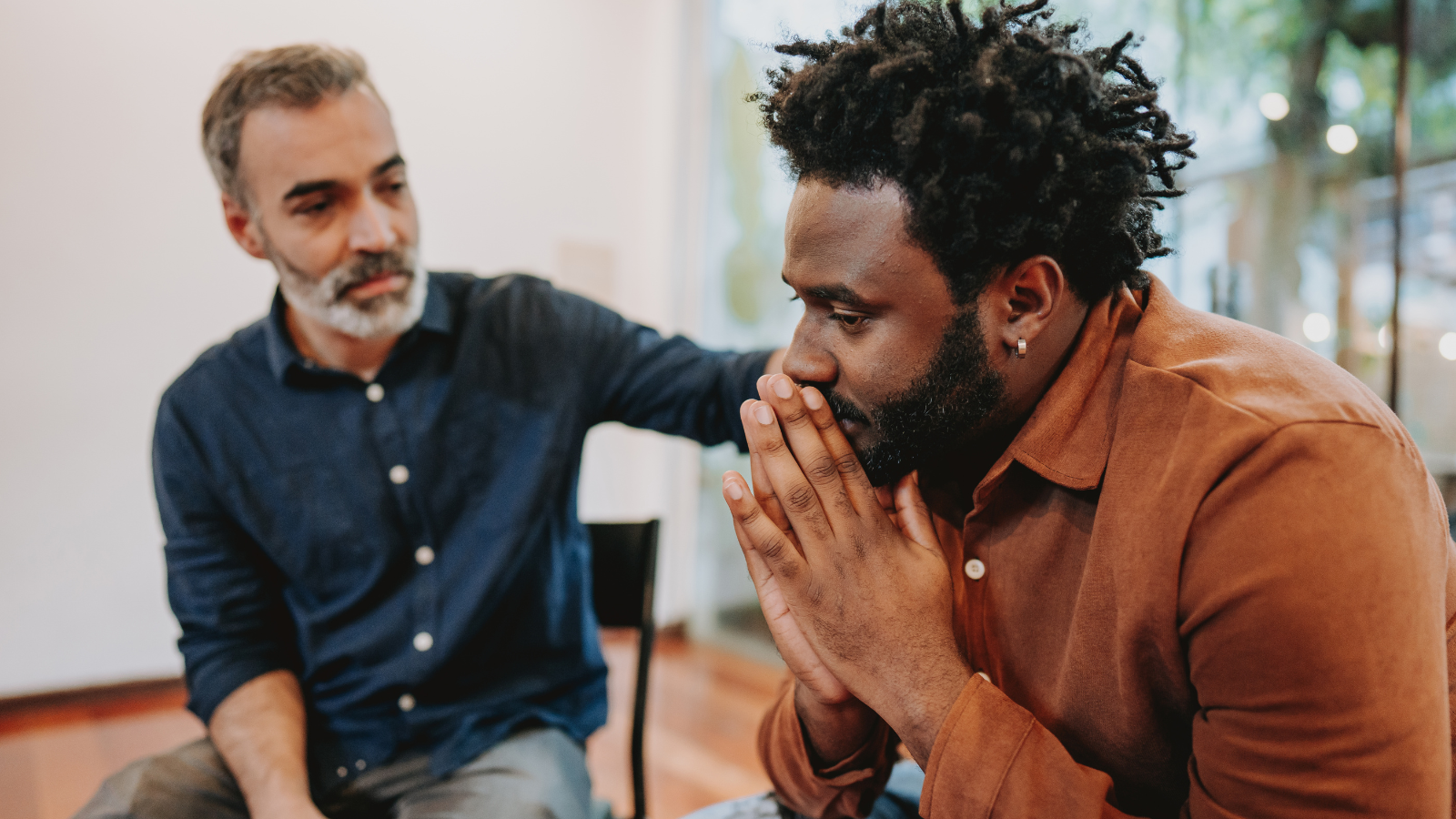


…people – men and women alike – respond less positively to male-favouring sex differences than they do to female-favouring sex differences.



… many papers do not even bother to identify or justify the nationality of their samples…

hyper-masculine gender norms are typically embedded within military institutions, and while adherence to these norms can contribute to combat and military success, they conversely make clinical work challenging
Have you got something to say?
Check out our submissions page to find out how to write for us.
hyper-masculine gender norms are typically embedded within military institutions, and while adherence to these norms can contribute to combat and military success, they conversely make clinical work challenging

hyper-masculine gender norms are typically embedded within military institutions, and while adherence to these norms can contribute to combat and military success, they conversely make clinical work challenging
hyper-masculine gender norms are typically embedded within military institutions, and while adherence to these norms can contribute to combat and military success, they conversely make clinical work challenging

hyper-masculine gender norms are typically embedded within military institutions, and while adherence to these norms can contribute to combat and military success, they conversely make clinical work challenging

hyper-masculine gender norms are typically embedded within military institutions, and while adherence to these norms can contribute to combat and military success, they conversely make clinical work challenging

Much of our attitudes, theorizing and public debate around men and masculinity is influenced by high profile feminist and Gender Studies scholars in academia. But what is the scientific quality of publications from these scholars?

Some people blame drill music – a form of rap - for the rising murder rate in London. Drill is known for aggressive lyrics about gang violence, but rather than seeing this as a valuable way for young men to express their feelings, some people want to ban it.

To survive… cultures have to use men and women effectively and … in fact, most cultures have used men and women in different ways… what our culture does is [grant] greater status to men and greater protection to women

hyper-masculine gender norms are typically embedded within military institutions, and while adherence to these norms can contribute to combat and military success, they conversely make clinical work challenging

There are around 300,000 veterans living with hearing loss in the UK, according to The Royal British Legion. In addition to being at a greater risk of PTSD, depression, and anxiety, many vets are also battling psychological distress from hearing problems.
The book begins with a description of her therapeutic approach, and an illustration of how to understand and work with the rage often seen in male CSA clients.

I felt in my dealings with some police officers, as though I were treated firstly as a man (assumed to be a perpetrator), but they’d overlooked risks associated with my impairment. Example: How can you dodge a missile you don’t see coming?

The Panorama programme on domestic violence failed to adequately highlight two important issues: male victims and female perpetrators.

your photograph, name and address, might appear in the local and national press and on TV, insinuating what an evil monster you are

…an attack upon masculinity is an attack upon one’s sense of self, of identity. …What, then, is the right psychological defence against such an attack?

The male has been designed to “look”, not only at the female, but to “look out” for prey, for danger, and for ways to protect his family unit.

If his child is allowed to live, this man must be available, for the rest of his life, to love and provide for his child… If, on the other hand, it is decided that his child is to be destroyed, he should be able to go about his life as if nothing has happened

Socialising is a basic human need. The opposite – social isolation – is one of the worst forms of torture. Some people look down on the local pub as a place for undesirable riff raff, but that narrow viewpoint misses entirely the community value of the pub

Male psychology is a recent development in academia. Unlike gender studies, feminism, and men’s studies, male psychology takes the view that we can gain more by recognising and harnessing the positive aspects of masculinity than we can by taking a relentlessly negative approach to men.

.