
The Benefits of Dinghy Sailing for Men's Mental Health
Introduction
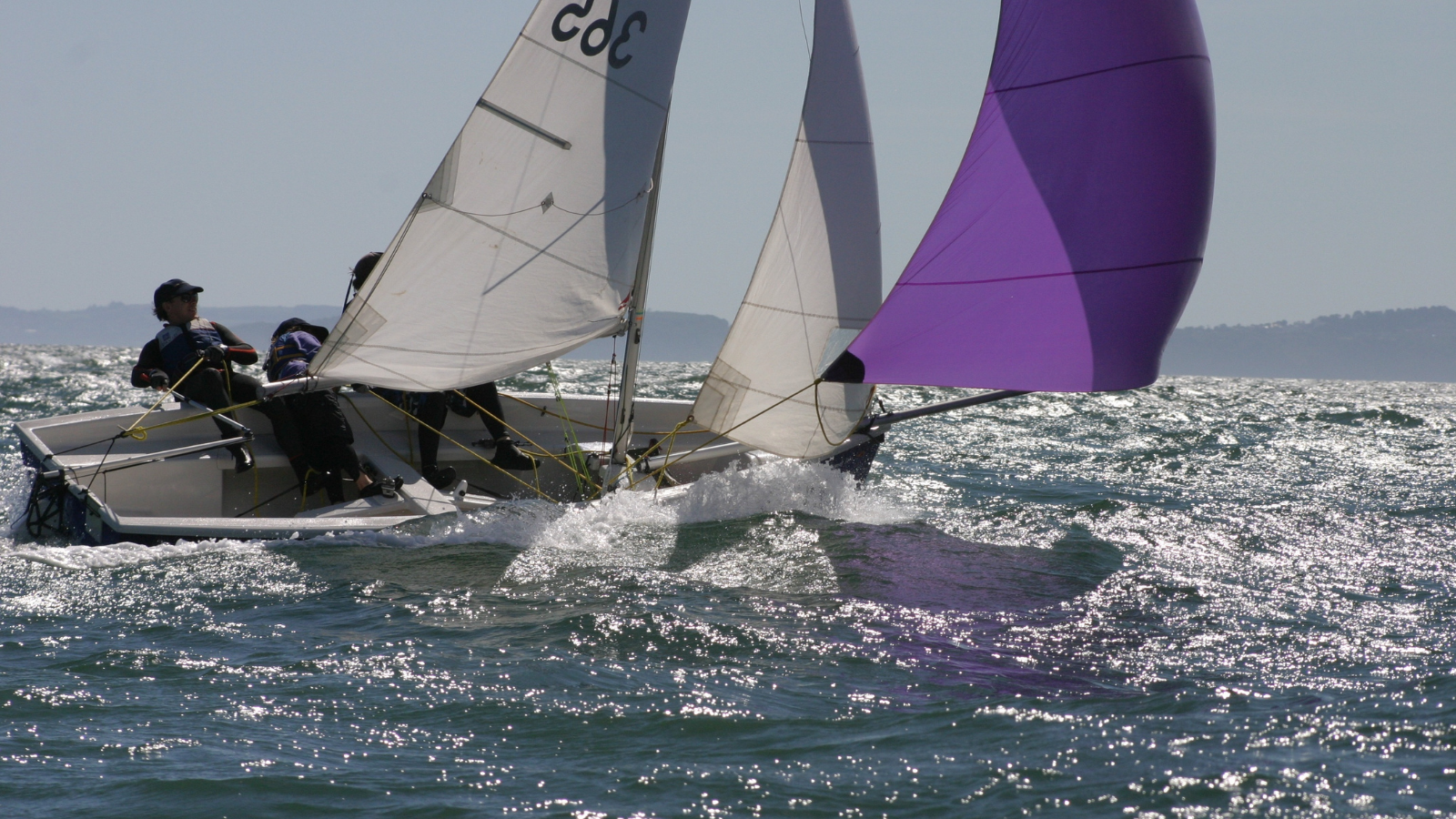
In recent years, the importance of mental health and finding effective ways to enhance wellbeing has gained significant attention. As we navigate our way through the challenges of modern life, it is essential to recognise and explore various activities that can positively impact mental health. One such activity that has shown immense promise is dinghy sailing. This article will delve into the benefits of dinghy sailing, specifically for men's mental health, focusing on the UK context and incorporating available data.
“Being away from the digital world and embracing the tranquillity of the open water creates a therapeutic escape”
The Therapeutic Power of Nature
Dinghy sailing provides individuals with the opportunity to connect with nature, which has been proven to reduce stress levels and promote well-being. The UK's abundant coastline and lakes offer a perfect setting for men to immerse themselves in sailing, experiencing the soothing effects of water, fresh air, and natural surroundings. Being away from the digital world and embracing the tranquillity of the open water creates a therapeutic escape from daily pressures.
“Sailing provides an excellent cardiovascular workout [contributing] to overall mental wellbeing.”
Physical Fitness and Endorphin Release
Engaging in dinghy sailing requires physical exertion and coordination, leading to improved physical fitness. Regular physical activity has been closely linked to mental health benefits, including reduced symptoms of anxiety and depression. Sailing provides an excellent cardiovascular workout, strengthens muscles, improves balance, and increases flexibility. By engaging in boating, men can experience the release of endorphins, which naturally elevate mood and contribute to overall mental wellbeing.
Building Resilience and Coping Skills
The challenging yet rewarding nature of dinghy sailing encourages individuals to develop resilience and effective coping strategies. Sailing often presents unpredictable conditions, requiring quick decision-making, problem-solving, and adaptability. Overcoming these challenges fosters a sense of accomplishment, boosting self-confidence and self-esteem. With practice, sailors learn to manage risk, develop patience, and improve their ability to handle stress both on and off the water.
“Dinghy sailing offers opportunities for social interaction and building supportive networks.”
Social Connection and Support
Dinghy sailing offers opportunities for social interaction and building supportive networks. Joining sailing clubs and participating in regattas and events creates a sense of camaraderie among sailors. The UK has a thriving sailing community, with various clubs and organisations providing platforms for men to engage, connect, and share experiences. The sense of belonging and support offered by this community can significantly contribute to positive mental health outcomes.
Mindfulness and Mental Clarity
Sailing requires focus and concentration, which promotes mindfulness and mental clarity. During the activity, individuals become fully present, attuned to the nuances of wind, water, and boat control. This meditative-like state fosters relaxation, reduces anxiety, and allows individuals to temporarily disconnect from everyday stressors. The repetitive nature of sailing techniques and the rhythm of the water provide a grounding experience, leading to a clearer mind and improved mental well-being.
Personal Development and Goal Setting
Dinghy sailing presents numerous opportunities for personal growth and goal setting. Learning to sail, progressing in skill level, and taking part in races enable individuals to set and achieve milestones. This process instils a sense of purpose, motivation, and direction, vital elements for maintaining positive mental health. Sailing also encourages a growth mindset, as individuals continuously seek self-improvement, cultivate resilience, and strive for mastery.
Conclusion
Dinghy sailing offers a multitude of benefits for men's mental health, combining physical activity, connection with nature, and the development of skills and resilience. As evidenced by available data, incorporating sailing into one's lifestyle can positively impact well-being, leading to reduced stress, increased mental clarity, improved coping mechanisms, and enhanced social connections. The UK's vast coastal areas and sailing community provide ample opportunities for men to engage in this dynamic and fulfilling activity. So, set sail, embrace the therapeutic power of the water, and experience the positive impact of dinghy sailing on mental health.
Scroll down to join the discussion
Disclaimer: This article is for information purposes only and is not a substitute for therapy, legal advice, or other professional opinion. Never disregard such advice because of this article or anything else you have read from the Centre for Male Psychology. The views expressed here do not necessarily reflect those of, or are endorsed by, The Centre for Male Psychology, and we cannot be held responsible for these views. Read our full disclaimer here.
Like our articles?
Click here to subscribe to our FREE newsletter and be first
to hear about news, events, and publications.



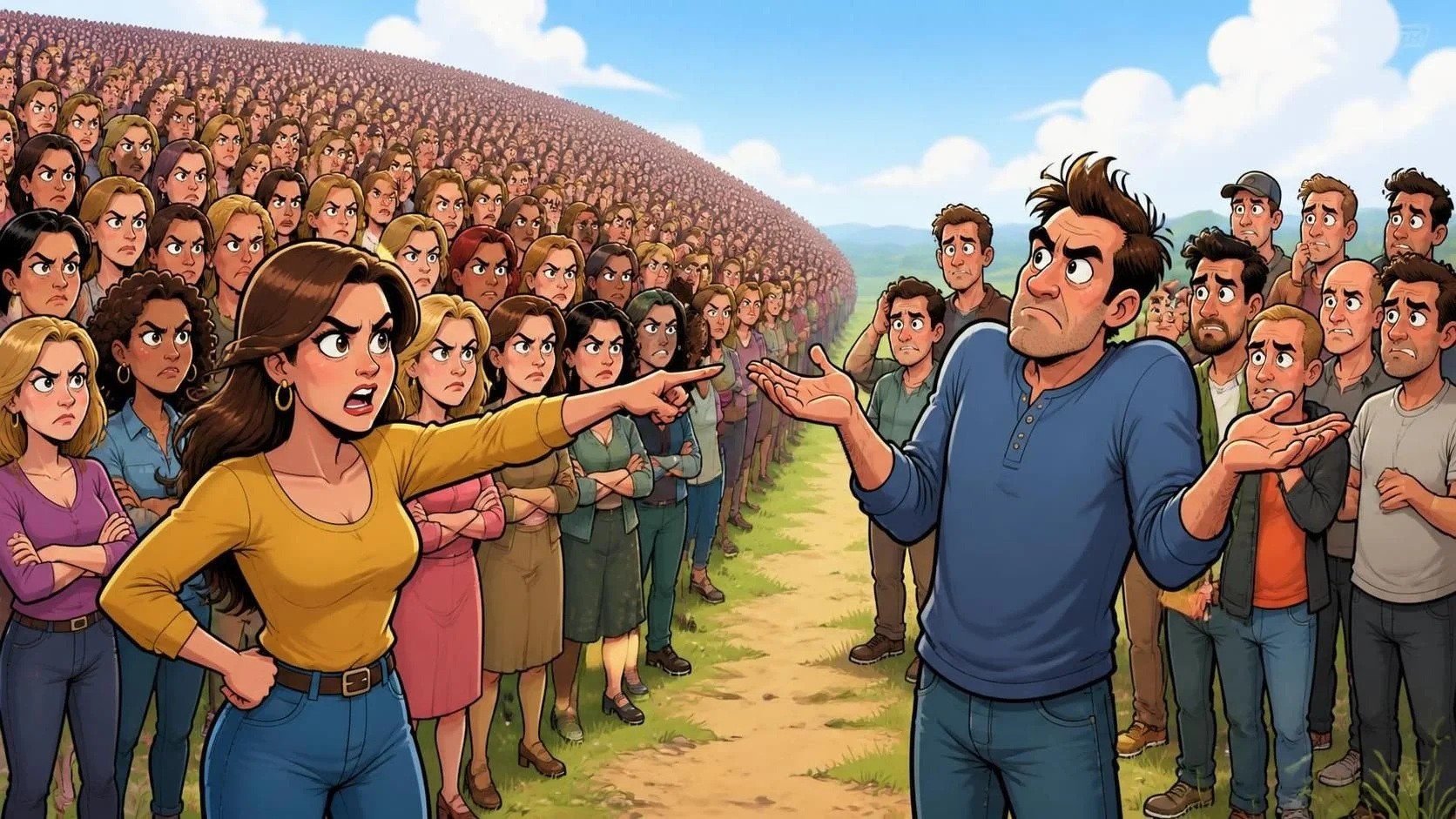
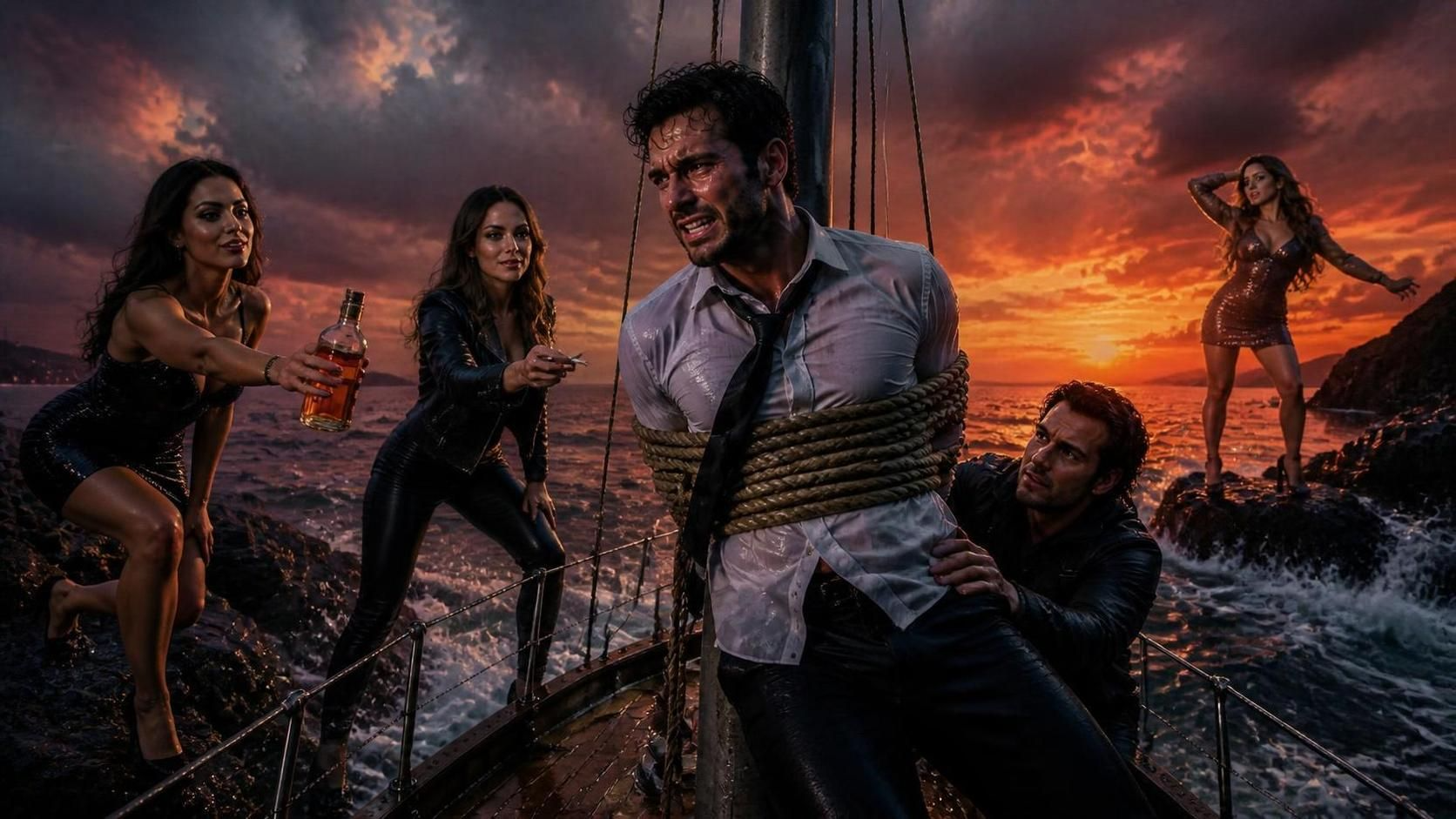



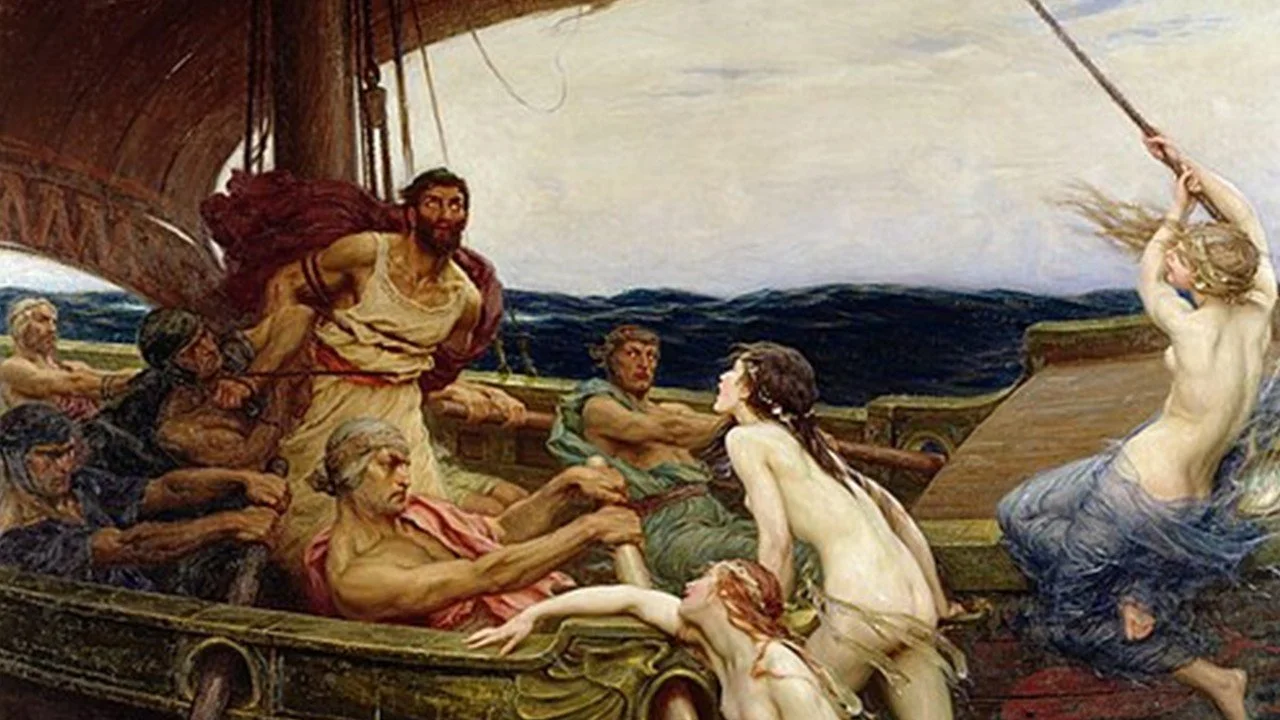

When a male is in a power imbalance, at least two masculine instincts are disempowered…

…people – men and women alike – respond less positively to male-favouring sex differences than they do to female-favouring sex differences.
hyper-masculine gender norms are typically embedded within military institutions, and while adherence to these norms can contribute to combat and military success, they conversely make clinical work challenging
Men might benefit greatly from a government strategy aimed at improving their health. Here are suggestions from the Centre for Male Psychology on how that might be done. This article ends with some comments on potential pitfalls in the process of putting this strategy in place.



…people – men and women alike – respond less positively to male-favouring sex differences than they do to female-favouring sex differences.
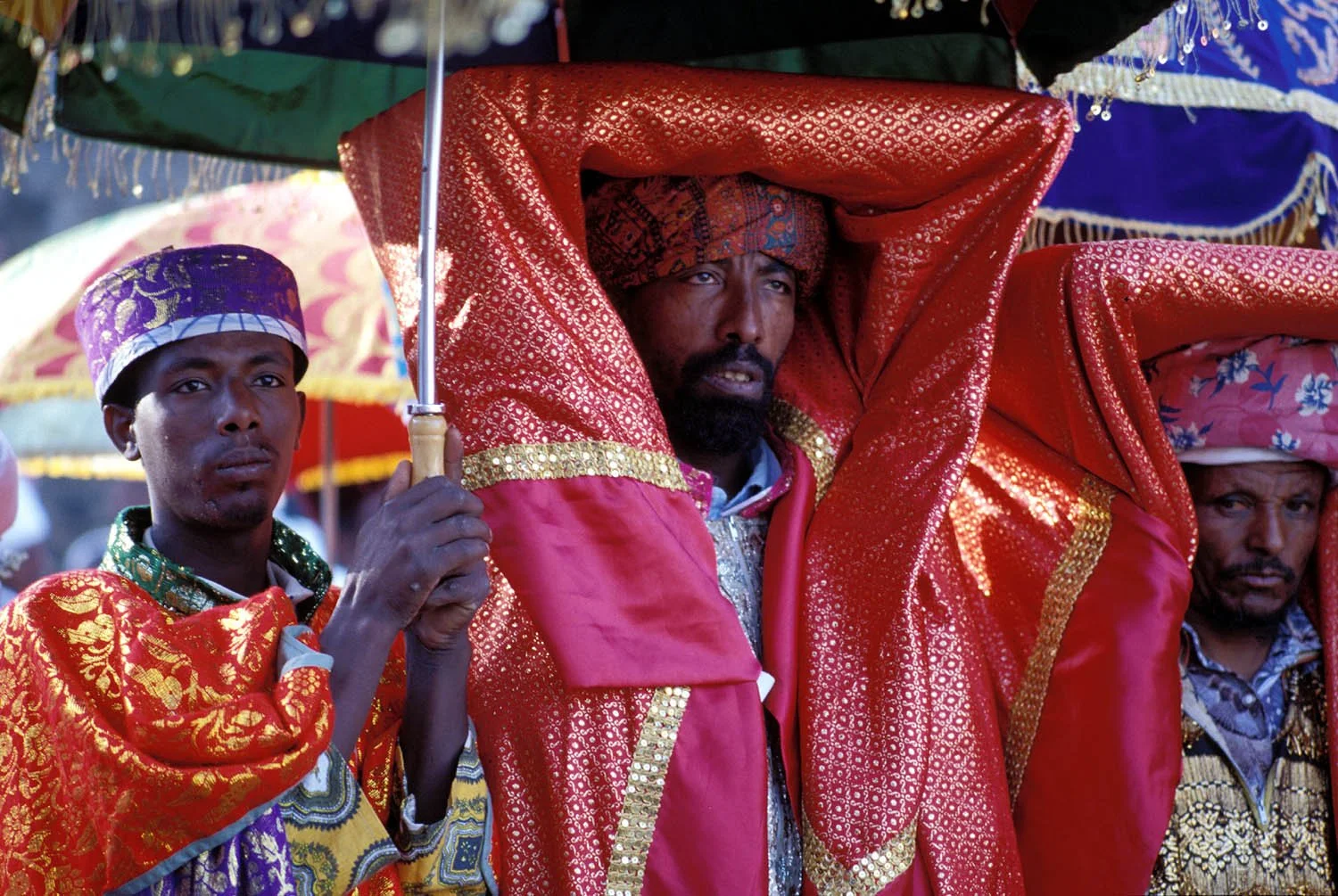


… many papers do not even bother to identify or justify the nationality of their samples…
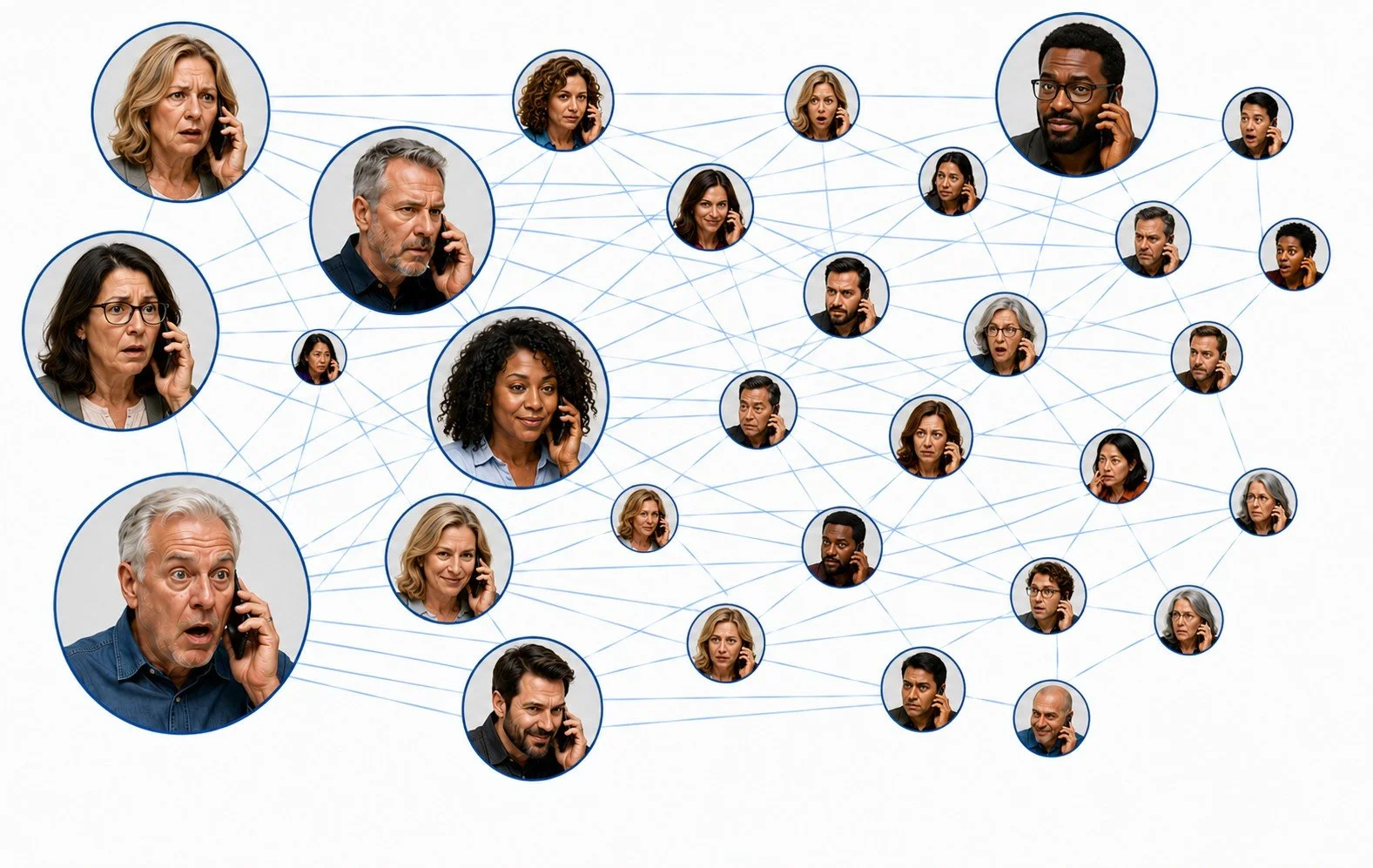


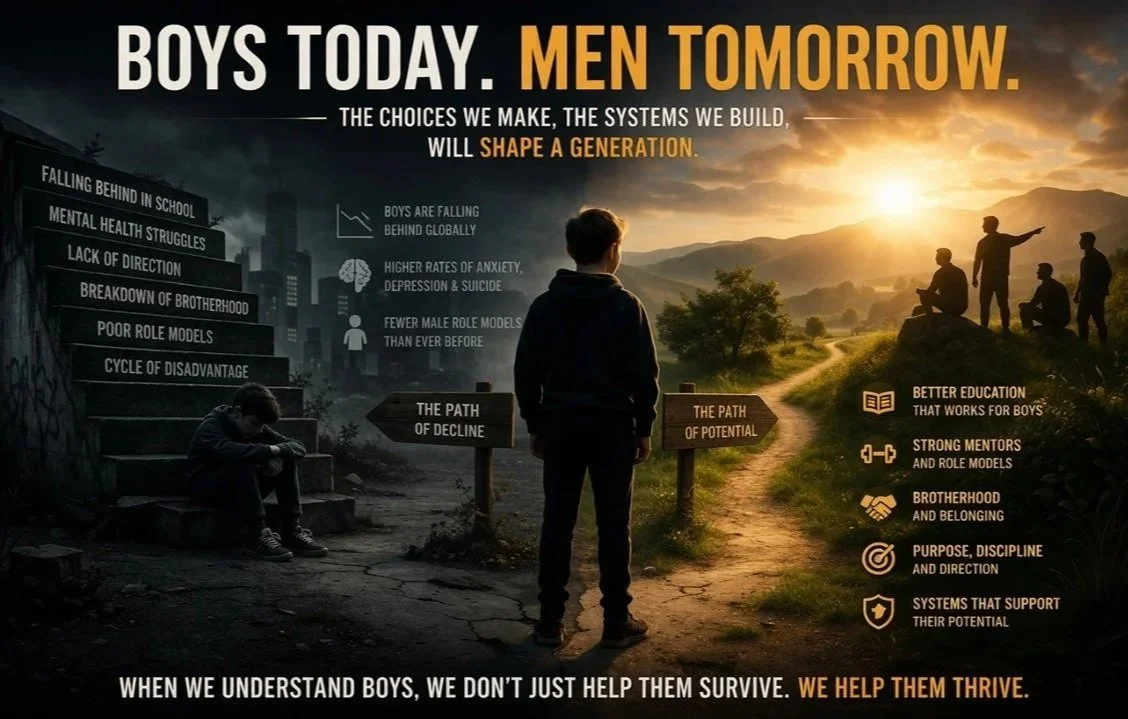
hyper-masculine gender norms are typically embedded within military institutions, and while adherence to these norms can contribute to combat and military success, they conversely make clinical work challenging

Have you got something to say?
Check out our submissions page to find out how to write for us.
hyper-masculine gender norms are typically embedded within military institutions, and while adherence to these norms can contribute to combat and military success, they conversely make clinical work challenging
hyper-masculine gender norms are typically embedded within military institutions, and while adherence to these norms can contribute to combat and military success, they conversely make clinical work challenging
hyper-masculine gender norms are typically embedded within military institutions, and while adherence to these norms can contribute to combat and military success, they conversely make clinical work challenging

hyper-masculine gender norms are typically embedded within military institutions, and while adherence to these norms can contribute to combat and military success, they conversely make clinical work challenging

hyper-masculine gender norms are typically embedded within military institutions, and while adherence to these norms can contribute to combat and military success, they conversely make clinical work challenging

Much of our attitudes, theorizing and public debate around men and masculinity is influenced by high profile feminist and Gender Studies scholars in academia. But what is the scientific quality of publications from these scholars?

Some people blame drill music – a form of rap - for the rising murder rate in London. Drill is known for aggressive lyrics about gang violence, but rather than seeing this as a valuable way for young men to express their feelings, some people want to ban it.

To survive… cultures have to use men and women effectively and … in fact, most cultures have used men and women in different ways… what our culture does is [grant] greater status to men and greater protection to women

hyper-masculine gender norms are typically embedded within military institutions, and while adherence to these norms can contribute to combat and military success, they conversely make clinical work challenging
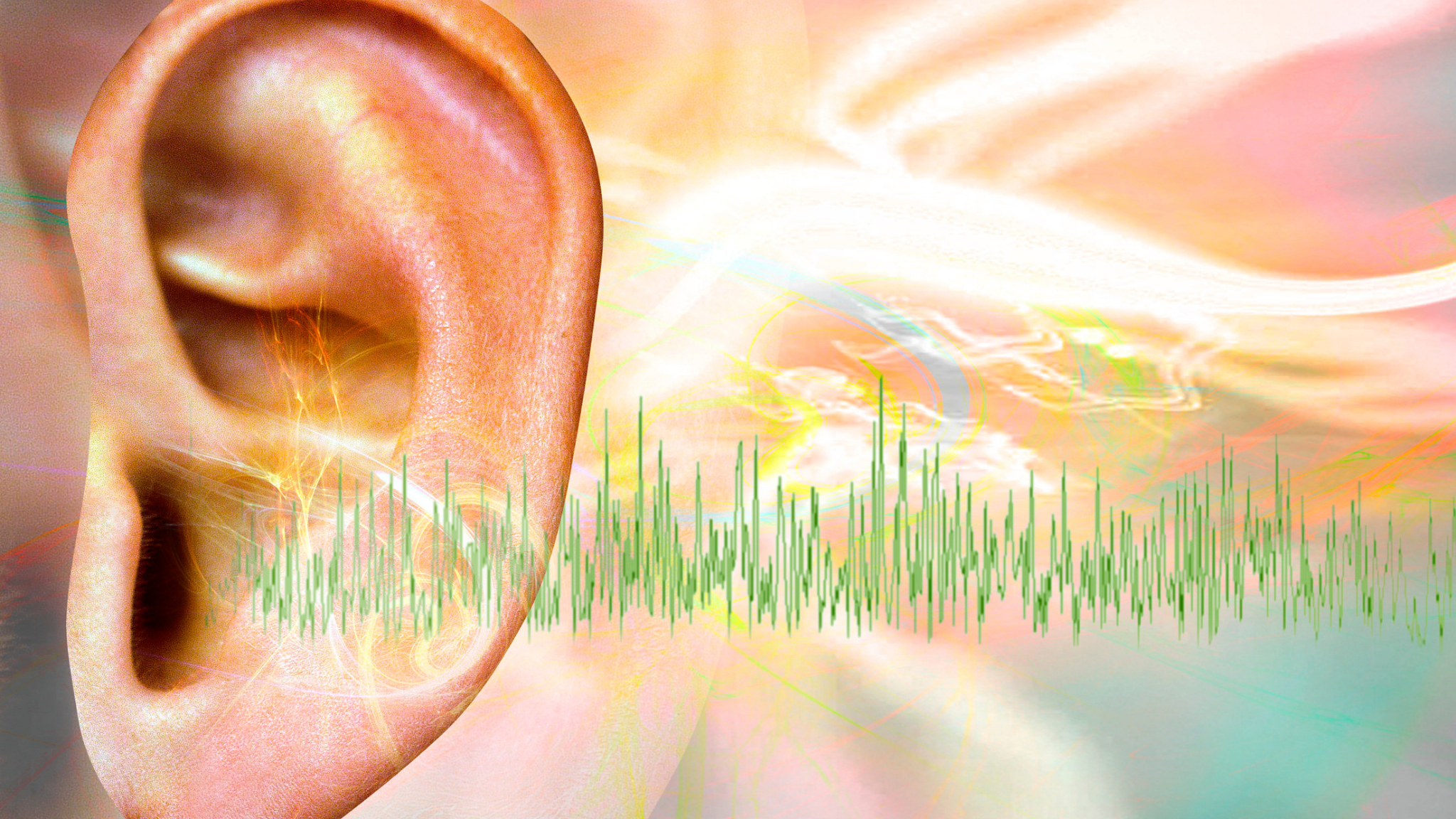
There are around 300,000 veterans living with hearing loss in the UK, according to The Royal British Legion. In addition to being at a greater risk of PTSD, depression, and anxiety, many vets are also battling psychological distress from hearing problems.

The book begins with a description of her therapeutic approach, and an illustration of how to understand and work with the rage often seen in male CSA clients.

I felt in my dealings with some police officers, as though I were treated firstly as a man (assumed to be a perpetrator), but they’d overlooked risks associated with my impairment. Example: How can you dodge a missile you don’t see coming?

The Panorama programme on domestic violence failed to adequately highlight two important issues: male victims and female perpetrators.

your photograph, name and address, might appear in the local and national press and on TV, insinuating what an evil monster you are

…an attack upon masculinity is an attack upon one’s sense of self, of identity. …What, then, is the right psychological defence against such an attack?

The male has been designed to “look”, not only at the female, but to “look out” for prey, for danger, and for ways to protect his family unit.

If his child is allowed to live, this man must be available, for the rest of his life, to love and provide for his child… If, on the other hand, it is decided that his child is to be destroyed, he should be able to go about his life as if nothing has happened
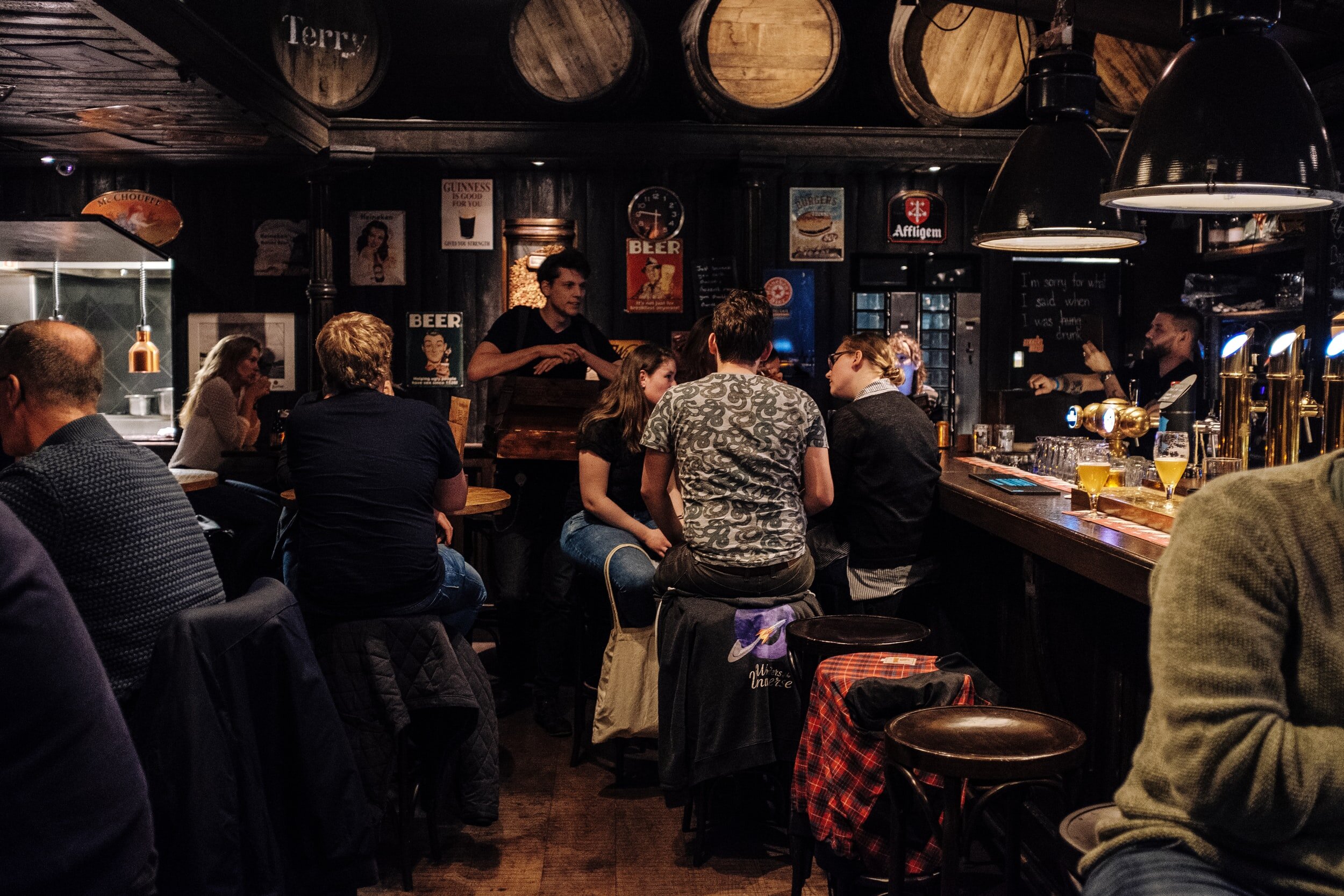
Socialising is a basic human need. The opposite – social isolation – is one of the worst forms of torture. Some people look down on the local pub as a place for undesirable riff raff, but that narrow viewpoint misses entirely the community value of the pub

Male psychology is a recent development in academia. Unlike gender studies, feminism, and men’s studies, male psychology takes the view that we can gain more by recognising and harnessing the positive aspects of masculinity than we can by taking a relentlessly negative approach to men.

.
 Luke Woodley
Luke Woodley is an ex-serviceman who served in the renowned Coldstream Guards. He was diagnosed with Post-Traumatic Stress Disorder (PTSD) following deployment in Bosnia in 1993. Luke co-wrote a veterans' mental health treatment programme and is currently Chief Executive Officer at Walnut Tree Recovery Resources, and Commodore at the Norfolk & Suffolk Raiders Sailing Club, which he founded in 2022, which emphasises the social and wellbeing aspects of sailing.