

5 ways woodworking might help with PTSD recovery

Post-traumatic stress disorder (PTSD) can cause many functional problems. People might lose their jobs, partners, or families. Some use drugs to self-medicate, but the bad feelings and strange behaviors can’t be cured by psychoactive substances. However with the help of the right therapy, engrained habits can change.
For someone suffering from PTSD, changing engrained habits can sound about as easy as landing a rocket onto the Moon. Nevertheless, the first giant leap is relatively simple: to find something that will occupy the overactive mind. Simple routine change can make life easier, and finding a hobby or any type of occupation will help you to relax.
In my experience, woodworking has proved an interesting and therapeutic way to direct the brain. These are the five reasons I think woodworking is good for wellbeing.
1/ You get your concentration back
Making a frame or a new piece for your kitchen is something that needs your full attention. Think about it like this: you need to consider proportions, ways to cut the wood, how to use the machines, how to make a final product look as it should, finishing, painting etc. While drawing a sketch of a wood product and processing the wood, your attention is 100% there. It is hard to keep it there all the time, but continuing to try over and over is something that will definitely improve your concentration, and as a consequence your overall wellbeing.
2/ You create meaning
Imagine you make one piece of wood; a pen holder for instance. You can use it or give it as a present to someone you love. This is something that gives real meaning to the piece, to the person who made it and to the person who receives it.. People doing woodworking are giving a new meaning to a piece of wood, to themselves and to the person that will use that piece.
3/ You follow the cycle and enjoy every part of it
Up and down, back and forth. Rules always follow; it is the same here. The process of woodworking will start with an unshaped piece, the move to planning, choosing adequate equipment, the work itself and finishing. Every part is important in the process and it should be followed by a dedication and interaction. While interacting, we should try to enjoy it. Try to see a splinter as wood decoration for your floor. Every splinter and every shaving helps your piece to shape and transform to its purpose.
4/ You remove a rough edge on a piece (and in your life)
It takes dedication to remove the rough edge on a wooden piece and make it smooth. How many edges need to be removed in order to make a wooden cup? Good question, but the answer is always: we remove as many edges as we need to make a perfect cup. The same is in life. Rough edges of anger, bad feelings, situations, people, and traumas need to be softened. Imagine you want to make your life into that wooden cup. Make every removed edge on your piece a small removal of your inner edges.
5/ You learn how to lose. You learn how to win.
In a woodshop, you are sometimes a winner and sometimes a loser; as you are in life. But, in your small wood world, you are dealing with it alone. No one can know that you won, nor lost. This is something that can help you accept that there are ups and downs all the time and that we need to move on, deal with every new down and grow with every new up. For PTSD, accepting the fact that we were not able to make the piece we wished will make us feel more relieved about the fact that we are not able to cope with the trauma in the way we wished. But we can try, and try again, realizing that sometimes the process is more important and rewarding than the product.
This article was first published on the Male Psychology Network website in 2018
Scroll down to join the discussion
Disclaimer: This article is for information purposes only and is not a substitute for therapy, legal advice, or other professional opinion. Never disregard such advice because of this article or anything else you have read from the Centre for Male Psychology. The views expressed here do not necessarily reflect those of, or are endorsed by, The Centre for Male Psychology, and we cannot be held responsible for these views. Read our full disclaimer here.
Like our articles?
Click here to subscribe to our FREE newsletter and be first
to hear about news, events, and publications.

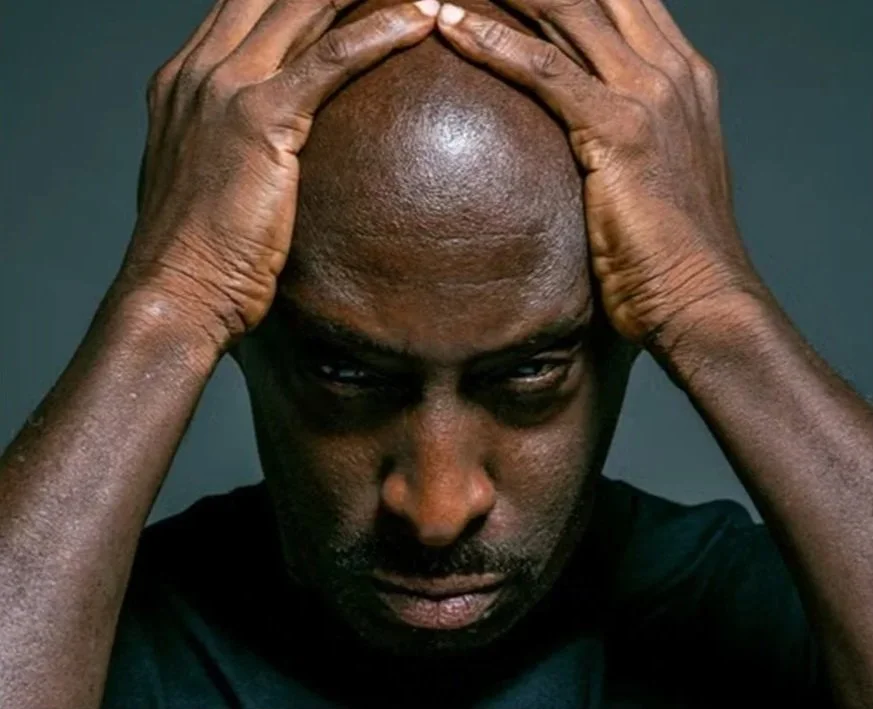


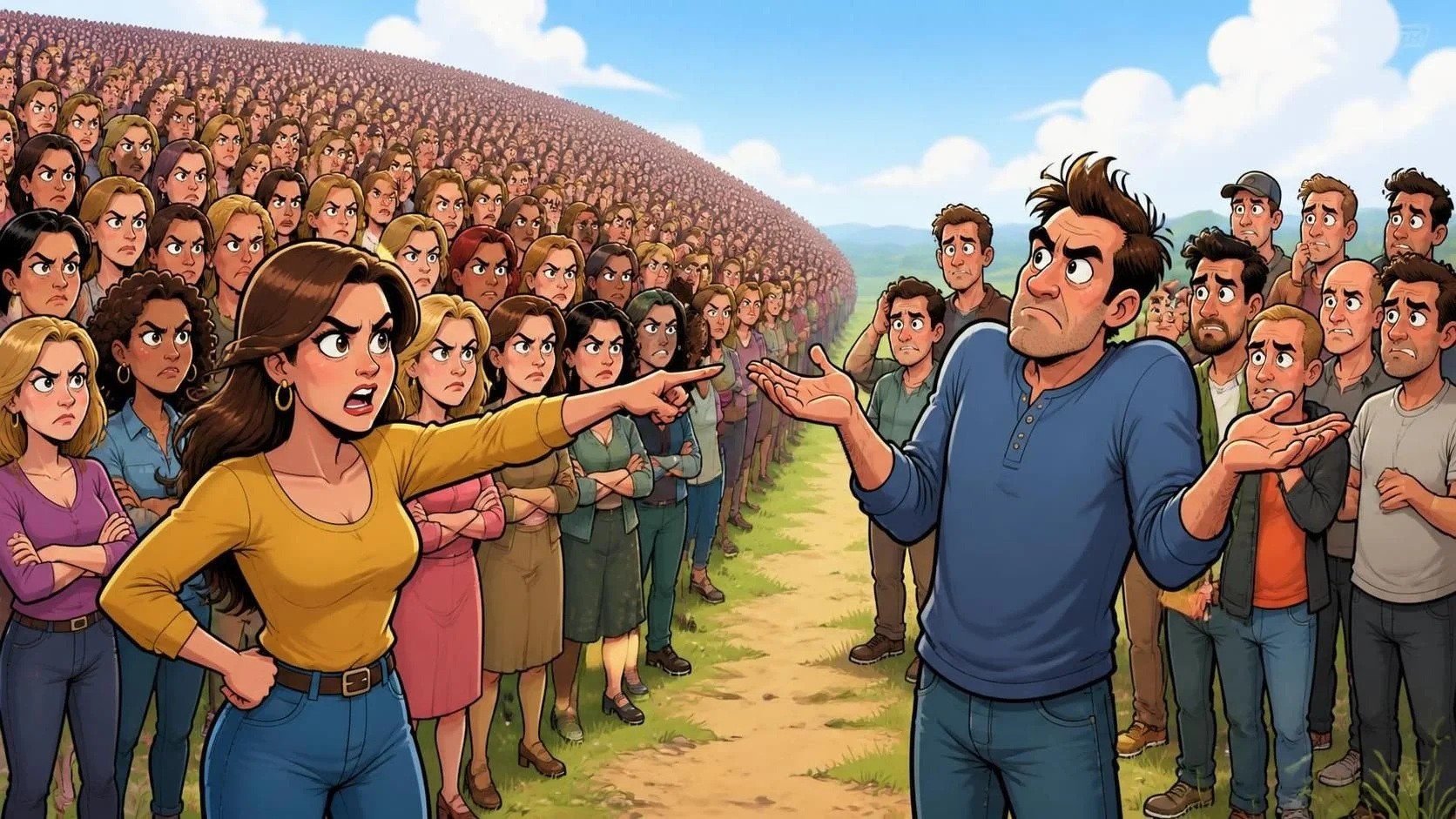






When a male is in a power imbalance, at least two masculine instincts are disempowered…

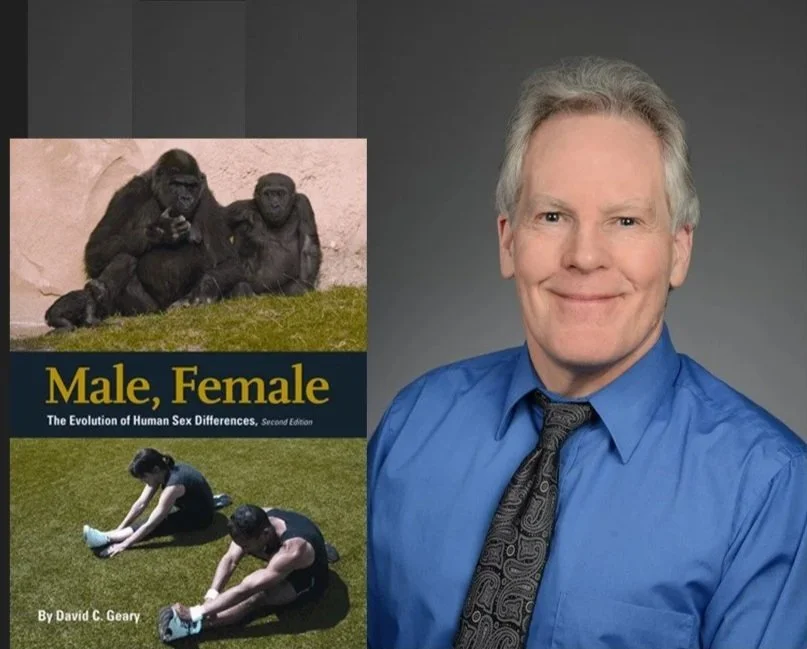
…people – men and women alike – respond less positively to male-favouring sex differences than they do to female-favouring sex differences.
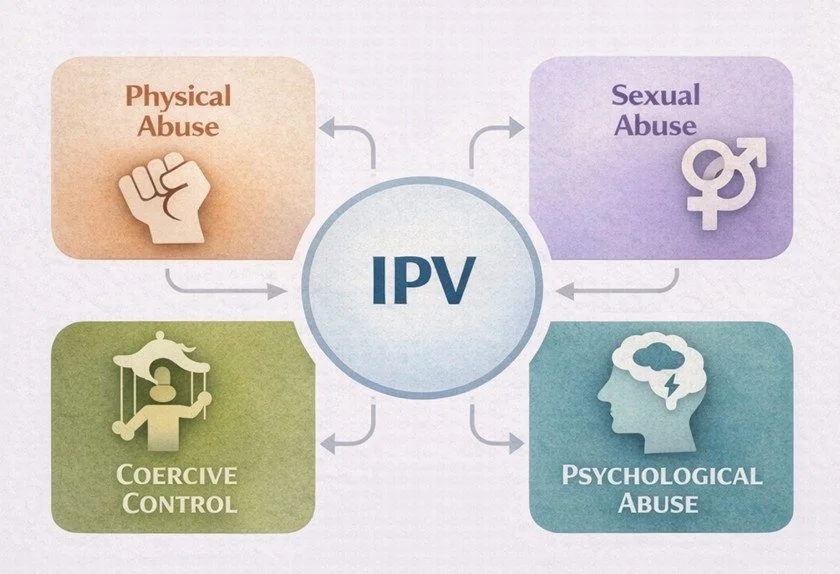
hyper-masculine gender norms are typically embedded within military institutions, and while adherence to these norms can contribute to combat and military success, they conversely make clinical work challenging
Men might benefit greatly from a government strategy aimed at improving their health. Here are suggestions from the Centre for Male Psychology on how that might be done. This article ends with some comments on potential pitfalls in the process of putting this strategy in place.





…people – men and women alike – respond less positively to male-favouring sex differences than they do to female-favouring sex differences.



… many papers do not even bother to identify or justify the nationality of their samples…
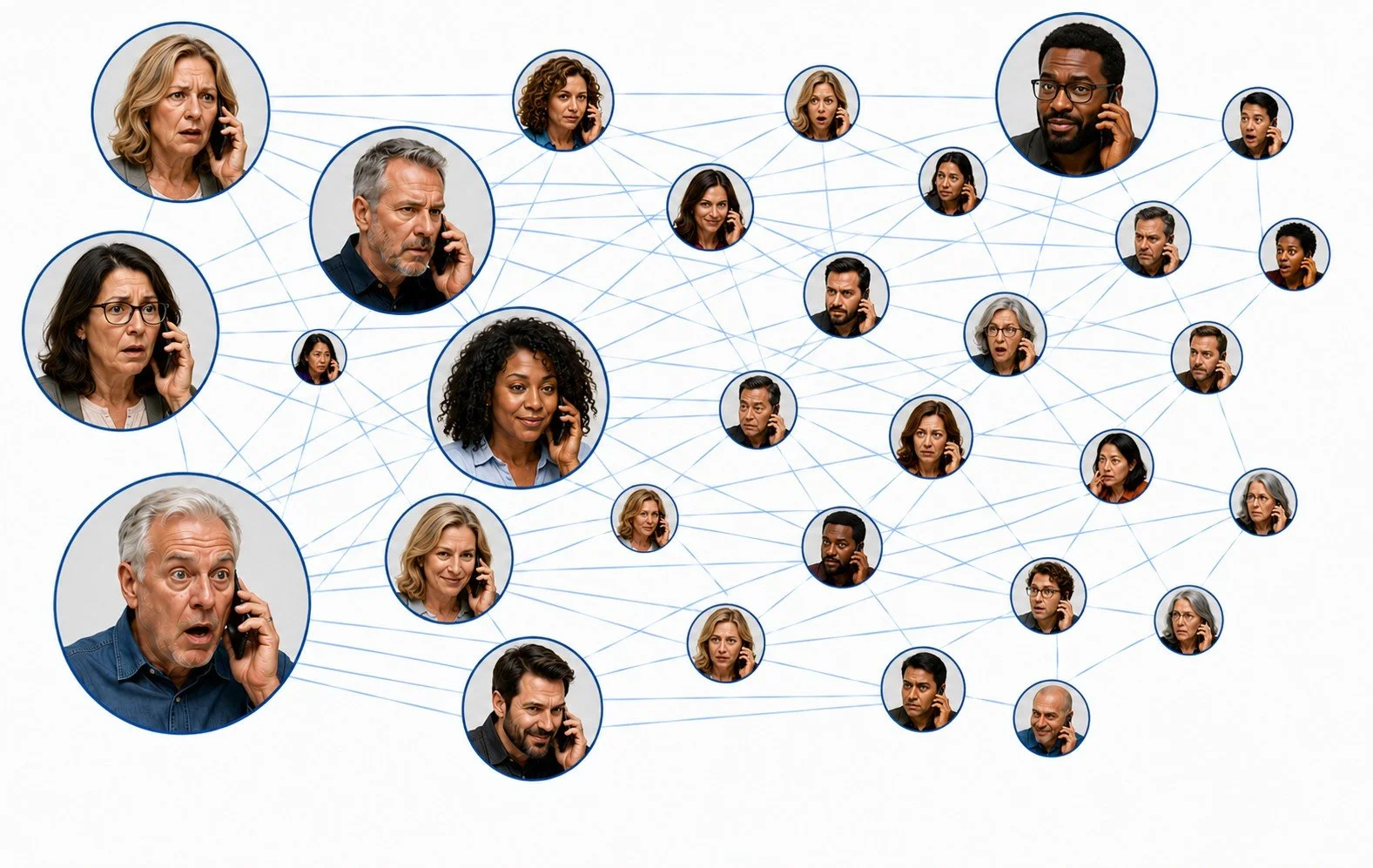

hyper-masculine gender norms are typically embedded within military institutions, and while adherence to these norms can contribute to combat and military success, they conversely make clinical work challenging

Have you got something to say?
Check out our submissions page to find out how to write for us.
hyper-masculine gender norms are typically embedded within military institutions, and while adherence to these norms can contribute to combat and military success, they conversely make clinical work challenging

hyper-masculine gender norms are typically embedded within military institutions, and while adherence to these norms can contribute to combat and military success, they conversely make clinical work challenging
hyper-masculine gender norms are typically embedded within military institutions, and while adherence to these norms can contribute to combat and military success, they conversely make clinical work challenging

hyper-masculine gender norms are typically embedded within military institutions, and while adherence to these norms can contribute to combat and military success, they conversely make clinical work challenging

hyper-masculine gender norms are typically embedded within military institutions, and while adherence to these norms can contribute to combat and military success, they conversely make clinical work challenging

Much of our attitudes, theorizing and public debate around men and masculinity is influenced by high profile feminist and Gender Studies scholars in academia. But what is the scientific quality of publications from these scholars?

Some people blame drill music – a form of rap - for the rising murder rate in London. Drill is known for aggressive lyrics about gang violence, but rather than seeing this as a valuable way for young men to express their feelings, some people want to ban it.

To survive… cultures have to use men and women effectively and … in fact, most cultures have used men and women in different ways… what our culture does is [grant] greater status to men and greater protection to women

hyper-masculine gender norms are typically embedded within military institutions, and while adherence to these norms can contribute to combat and military success, they conversely make clinical work challenging

There are around 300,000 veterans living with hearing loss in the UK, according to The Royal British Legion. In addition to being at a greater risk of PTSD, depression, and anxiety, many vets are also battling psychological distress from hearing problems.

The book begins with a description of her therapeutic approach, and an illustration of how to understand and work with the rage often seen in male CSA clients.

I felt in my dealings with some police officers, as though I were treated firstly as a man (assumed to be a perpetrator), but they’d overlooked risks associated with my impairment. Example: How can you dodge a missile you don’t see coming?

The Panorama programme on domestic violence failed to adequately highlight two important issues: male victims and female perpetrators.

your photograph, name and address, might appear in the local and national press and on TV, insinuating what an evil monster you are

…an attack upon masculinity is an attack upon one’s sense of self, of identity. …What, then, is the right psychological defence against such an attack?

The male has been designed to “look”, not only at the female, but to “look out” for prey, for danger, and for ways to protect his family unit.

If his child is allowed to live, this man must be available, for the rest of his life, to love and provide for his child… If, on the other hand, it is decided that his child is to be destroyed, he should be able to go about his life as if nothing has happened

Socialising is a basic human need. The opposite – social isolation – is one of the worst forms of torture. Some people look down on the local pub as a place for undesirable riff raff, but that narrow viewpoint misses entirely the community value of the pub

Male psychology is a recent development in academia. Unlike gender studies, feminism, and men’s studies, male psychology takes the view that we can gain more by recognising and harnessing the positive aspects of masculinity than we can by taking a relentlessly negative approach to men.

.
Robert is a woodworking enthusiast whose passion for power tools is expressed through writing. He is the founder, owner, and main author of the Sawinery[dot]net website, a blog site dedicated to his personal reviews of different types and specific models of saws. Through the years, his interest in woodworking expanded beyond tools, which started his quest to write about woodworking projects and fascinating stories of woodworkers as well.