
Research and experience recurrently highlights that Secondary Care Mental Health Services struggle to engage with men. Various theories have emerged which attempt to explain this (e.g. Wyllie et al., 2012) – including that men have a distinct style of regulating emotions; that cultural discourses around masculinity inform a reluctance to help-seek in the traditional sense; and that men tend to suit a problem-solving, action-focused approach prior to delving into their emotional depths. Theory aside – suicide rates remain highest for men aged 40-44, and men are reportedly three times more likely to take their own lives than women (Samaritans, 2017). The case for meeting men where they are, engaging with them on their terms and promoting their use of both mental health services and psychological therapy is clear.
Project Summary
The Halton Recovery Team – a Secondary Care Community Mental Health Team; North West Boroughs Health Care Trust – have recognised a gap in service delivery.
The team piloted a 12-week men’s only transdiagnostic recovery group. Referrals were open to the whole service. The program is based on the concept of empowering men to consider themselves as agents in their own recoveries. An assertive outreach engagement model was used, including an initial joint home visit with the nurse and psychologist who would be facilitating the group. Invitation, transparency and equality were key messages. Additional individual weekly telephone support and a post-course individual psychology session to consider “Where to now” and next steps were offered.
The design integrated relational, third-wave cognitive behavioural therapies, focussing on psychoeducation, relatedness and behaviour change, as well as recognising differences between the help-seeking behaviours of men and women and normalising “men’s emotional processes“.
The aim was not about making men more like women but respecting masculinity and intrinsic differences by specifically exploring the why and how men feel “Dis–Ease” and the behavioural and emotional consequences of shame, isolation and feeling stuck. Concepts of wellness and recovery were explored.
The group prides itself on taking an invitational approach – including sessional and home practice, integrating mindfulness and relatedness skills for regulating affect. Delivery included suicide prevention and transparency regarding high male suicide rates and looking at improving safety net strategies in times of crisis. Group exploration within masculine narratives lead the way to compassion for self and others, helping to support change behaviour and individual recovery.
Results
The pilot group had an 80% completion rate, with the one individual dropping out being offered a place on the following cohort.
Across the two cohorts, self-report measures of readiness to change and difficulties regulating emotions were used. The mean readiness to change score showed an increase pre- to post-intervention, denoting a shift from the ‘pre-contemplative’ stage to the ‘contemplative’. Post mean scores, difficulties regulating emotions also showed a reduction, suggesting a reduction in emotion regulation difficulties. Self-report scales of curiosity about the future, confidence about moving forwards and hopefulness showed increase, while self-report scales of doubtfulness about recovery and self-critical thoughts showed a reduction.
Qualitative feedback was taken from all of the men This was analysed using a thematic analysis, finding five themes; expectations of the group; past experiences of services; positive gains; positive aspects of the group; self-agency.
Some quotes from the men:
“I don’t think any of us realised that when our bodies were doing stuff that our minds would then take over until it was explained … I certainly didn’t realise to the levels our bodies reacted in a certain way and then our minds run off with itself”
“It gives me a chance of thinking I can recover, yeah … it’s gonna take a lot of time, but at least now we know there’s light at the end of the tunnel. Somebody actually understands that we’re not totally messed up”
“[Being in a group with other men] you know roughly the sort of anxieties they’re going to have about certain things, it’s sort of set in stone because you’re all men, so you know where they’re coming from … It puts you at ease”
The group is currently leading into its third cohort, and the team has established a psychological and social pathway for the men following attendance – including being placed straight into individual therapy waiting lists should they choose, and further psychosocial support via an allotment group and newly established football groups. Men from the pilot group have gone on to individual therapy and attending the allotment group together.
The option for men to co-deliver future groups is currently being developed, as is the men co-producing and co-delivering presentations to the Trust regarding exploring commissioning the service more broadly.
The main learning from the pilot is that meeting men where they are enables engagement, empowerment, and overall, the co-creation and delivery of meaningful therapy.
This article was first published on the Male Psychology Network website in 2018.
Scroll down to join the discussion
Disclaimer: This article is for information purposes only and is not a substitute for therapy, legal advice, or other professional opinion. Never disregard such advice because of this article or anything else you have read from the Centre for Male Psychology. The views expressed here do not necessarily reflect those of, or are endorsed by, The Centre for Male Psychology, and we cannot be held responsible for these views. Read our full disclaimer here.
Like our articles?
Click here to subscribe to our FREE newsletter and be first
to hear about news, events, and publications.








When a male is in a power imbalance, at least two masculine instincts are disempowered…

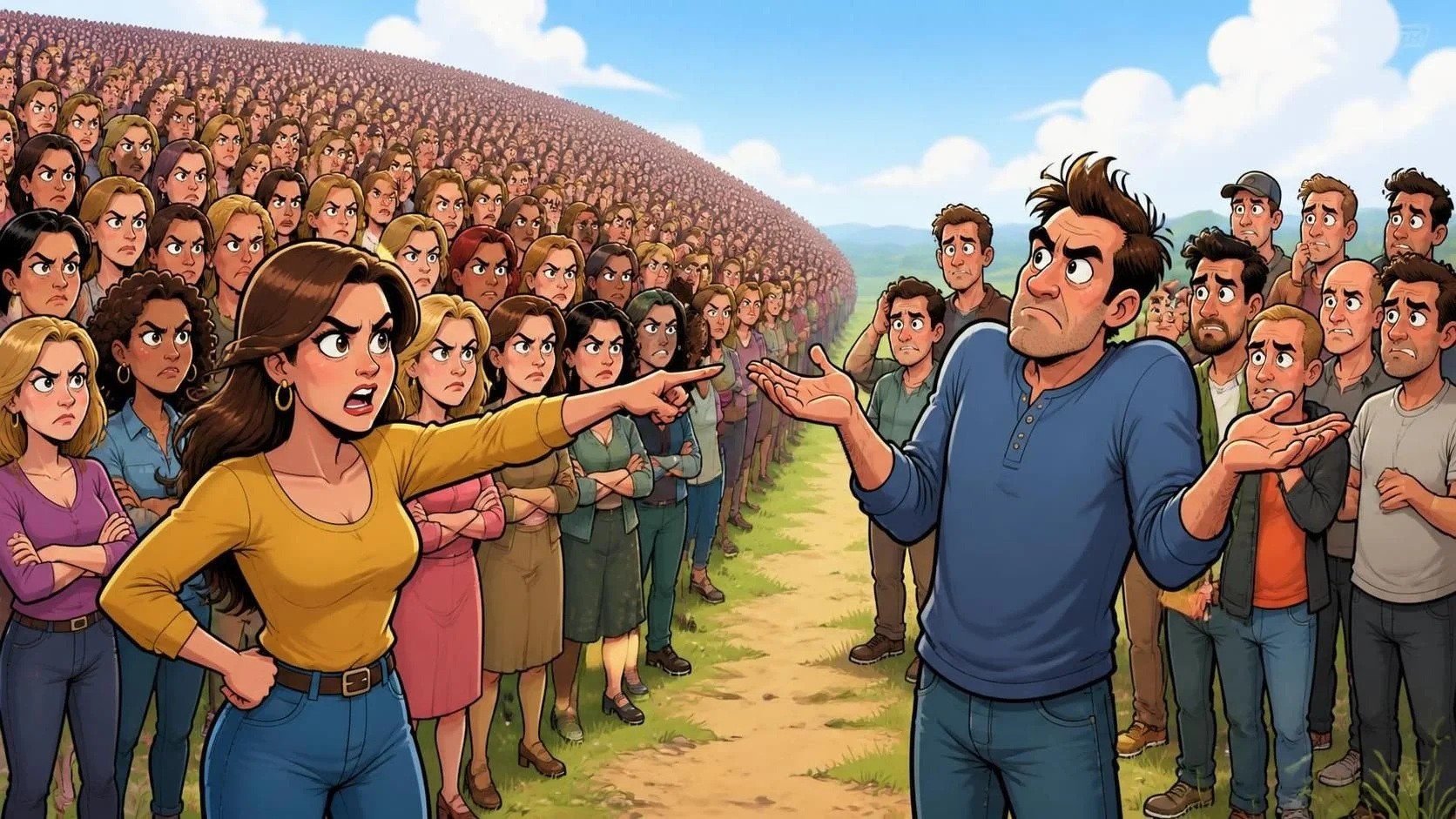
…people – men and women alike – respond less positively to male-favouring sex differences than they do to female-favouring sex differences.
hyper-masculine gender norms are typically embedded within military institutions, and while adherence to these norms can contribute to combat and military success, they conversely make clinical work challenging
Men might benefit greatly from a government strategy aimed at improving their health. Here are suggestions from the Centre for Male Psychology on how that might be done. This article ends with some comments on potential pitfalls in the process of putting this strategy in place.



…people – men and women alike – respond less positively to male-favouring sex differences than they do to female-favouring sex differences.


… many papers do not even bother to identify or justify the nationality of their samples…

Have you got something to say?
Check out our submissions page to find out how to write for us.
hyper-masculine gender norms are typically embedded within military institutions, and while adherence to these norms can contribute to combat and military success, they conversely make clinical work challenging

hyper-masculine gender norms are typically embedded within military institutions, and while adherence to these norms can contribute to combat and military success, they conversely make clinical work challenging
hyper-masculine gender norms are typically embedded within military institutions, and while adherence to these norms can contribute to combat and military success, they conversely make clinical work challenging

hyper-masculine gender norms are typically embedded within military institutions, and while adherence to these norms can contribute to combat and military success, they conversely make clinical work challenging

hyper-masculine gender norms are typically embedded within military institutions, and while adherence to these norms can contribute to combat and military success, they conversely make clinical work challenging

Much of our attitudes, theorizing and public debate around men and masculinity is influenced by high profile feminist and Gender Studies scholars in academia. But what is the scientific quality of publications from these scholars?

Some people blame drill music – a form of rap - for the rising murder rate in London. Drill is known for aggressive lyrics about gang violence, but rather than seeing this as a valuable way for young men to express their feelings, some people want to ban it.

To survive… cultures have to use men and women effectively and … in fact, most cultures have used men and women in different ways… what our culture does is [grant] greater status to men and greater protection to women

hyper-masculine gender norms are typically embedded within military institutions, and while adherence to these norms can contribute to combat and military success, they conversely make clinical work challenging

There are around 300,000 veterans living with hearing loss in the UK, according to The Royal British Legion. In addition to being at a greater risk of PTSD, depression, and anxiety, many vets are also battling psychological distress from hearing problems.

The book begins with a description of her therapeutic approach, and an illustration of how to understand and work with the rage often seen in male CSA clients.

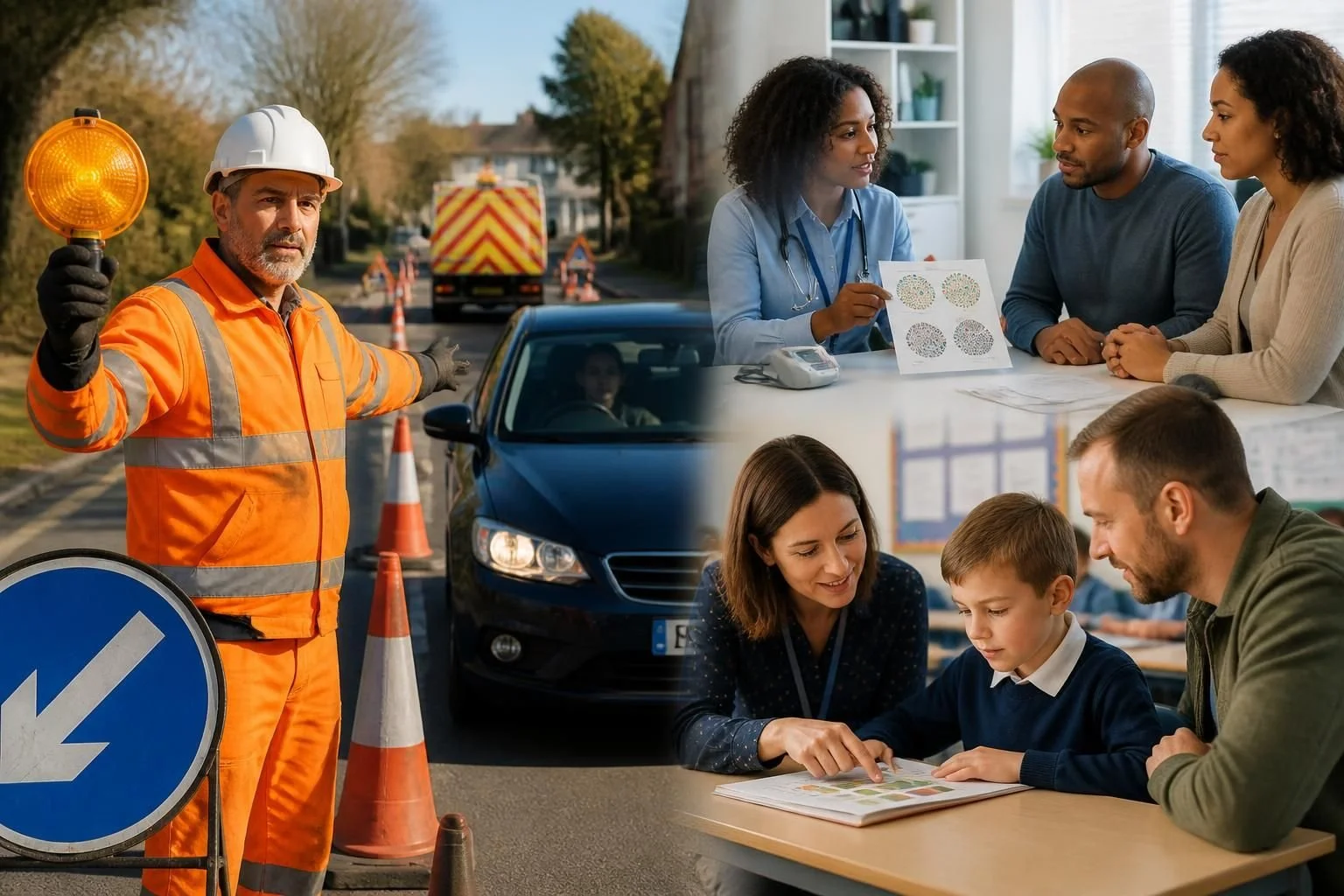
I felt in my dealings with some police officers, as though I were treated firstly as a man (assumed to be a perpetrator), but they’d overlooked risks associated with my impairment. Example: How can you dodge a missile you don’t see coming?

The Panorama programme on domestic violence failed to adequately highlight two important issues: male victims and female perpetrators.

your photograph, name and address, might appear in the local and national press and on TV, insinuating what an evil monster you are

…an attack upon masculinity is an attack upon one’s sense of self, of identity. …What, then, is the right psychological defence against such an attack?

The male has been designed to “look”, not only at the female, but to “look out” for prey, for danger, and for ways to protect his family unit.

If his child is allowed to live, this man must be available, for the rest of his life, to love and provide for his child… If, on the other hand, it is decided that his child is to be destroyed, he should be able to go about his life as if nothing has happened
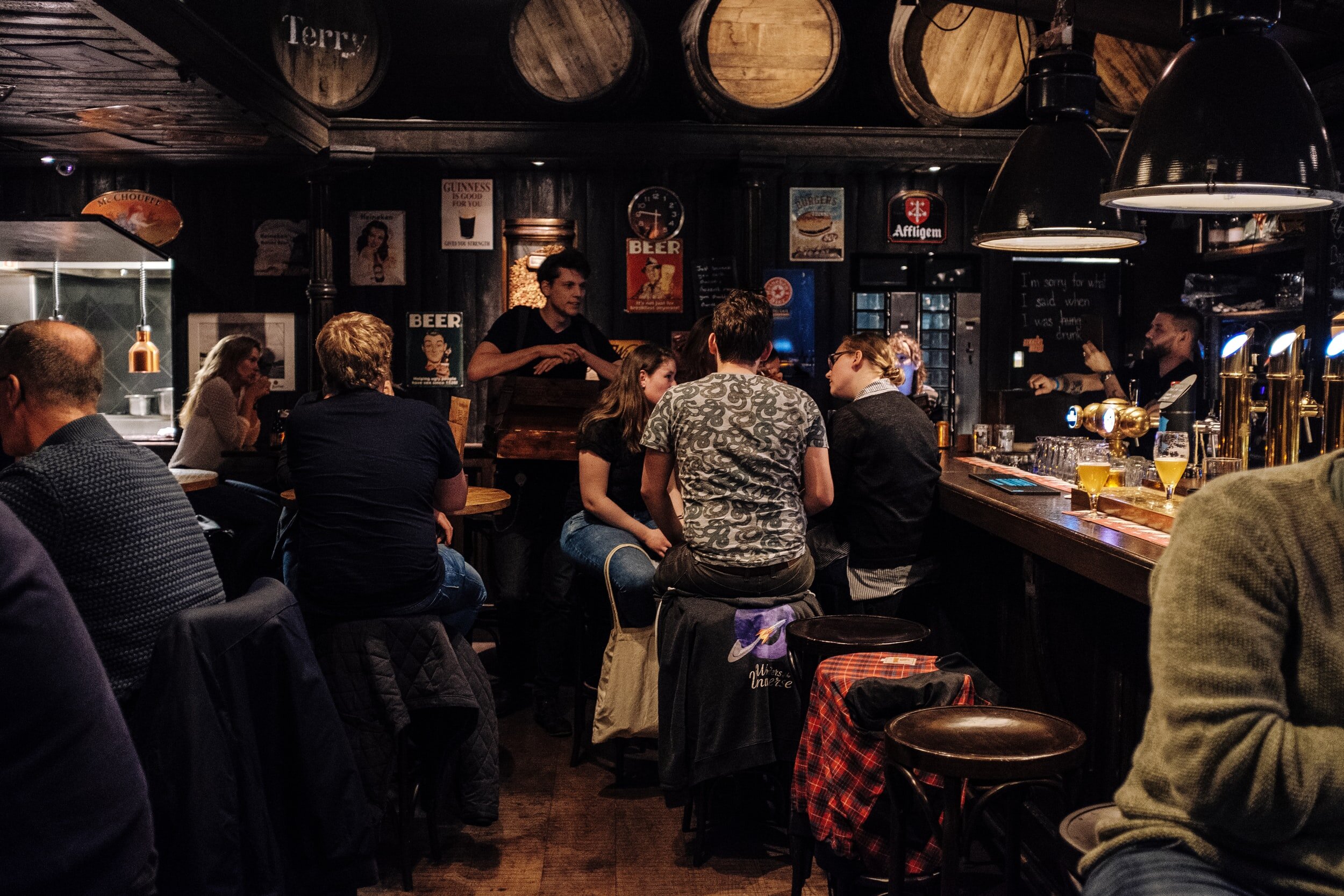
Socialising is a basic human need. The opposite – social isolation – is one of the worst forms of torture. Some people look down on the local pub as a place for undesirable riff raff, but that narrow viewpoint misses entirely the community value of the pub

Male psychology is a recent development in academia. Unlike gender studies, feminism, and men’s studies, male psychology takes the view that we can gain more by recognising and harnessing the positive aspects of masculinity than we can by taking a relentlessly negative approach to men.

.