

Many of the things we enjoy in life we enjoy online. Playing, laughing, learning new things, connecting with friends and building new relationships.
It’s the same for both the sexes; we seek a combination of simple and complex pleasures: the hedonic, instant highs of consumerism through online shopping, the mood boosting properties of listening to music and watching funny YouTube videos, and the longer-term pleasures of interaction and relationship building over social media.
As for what yields the most “happiness”, however, it can be highly subjective. Exploring the nature of internet happiness, Carphone Warehouse carried out a survey of 2,002 UK adults (mean + SD age 47 + 17 years old) in November 2017, asking them to rank the online activities that make them most happy.
Overall, activities associated with entertainment and shopping (which offer more hedonic pleasures, gratifying the basic urges of the primal brain) had the biggest impact on our happiness across the sexes. However, when male and female results were separated, there were stark differences.
Men enjoy online dating above all
While the most gratifying online activity among women was “winning an eBay bid”, men stated that “online dating” gave them the most pleasure. Interestingly, among women, meeting a potential partner online didn’t even make the top ten. For women, online dating came in twentieth place, behind ordering a takeaway and managing money online (managing money online rather than in person or over the phone).

Why do men enjoy online dating more than women?
While the study didn’t delve into the thinking behind the respondents’ choices, one reason men might enjoy online dating significantly more than women could be down to the way the different sexes approach dating.
For example, men and women don’t use Tinder in the same manner. A 2016 study into user activity on Tinder showed that men tend to cast their net a little wider, in the beginning at least. They’re more likely to ‘swipe right’ than women and tend to filter their preferences after establishing a match rather than before.
Why do men take this blanket approach? A January 2016 literature review might have uncovered the answers. The review looked at the gender differences in online dating and found that men “exhibit a positive attitude” towards it, seeing it as an efficient way to meet people. Their interest is in being as productive as possible, even when it comes to something as personal as dating, which could explain their catch-all behaviour.
Short-term goals
The researchers also found that men preferred “short-term romantic relationships with a low level of commitment” within the environment of online dating, while women used the sites to find friends or a potential marriage partner. They also found that men are more active users of online dating sites than women – although it should be noted that the researchers attributed this gender imbalance to the fact that men outnumber women in most IT contexts anyway.
While men are prolific users of online dating sites, and prefer to pursue short-term opportunities within them, The Harry’s Masculinity Report[iii] found that men felt mentally more positive if they were in a steady, long-term relationship, concluding that “relationship stability is an important anchor for many men”. It would seem that while men do value enduring relationships, online dating is not where they ultimately go to find them.
Old-school beliefs
Even in modern-day dating, old-school stereotypes [Editor: or perhaps ‘archetypes’] prevail. When it comes to the ideal type of person they’d like to commence a relationship with, both sexes look for one that can provide the biggest chance of success and fulfilment. For men, this means prioritising physical attractiveness and, specifically, a youthful look (with the logic that female fertility is affected by age, and therefore older women reduce the chance of children). For women, this means prioritising socio-economic status and older men (with the logic that older men are more financially stable and therefore more able to provide for a family).
In their quest to secure a partner – whether in the short-term or in the long-term – both sexes are known to adjust their profiles (even to the point of fabrication) to cater for what the opposite sex might be looking for. Men emphasise their personal interests and assets, overstate their height and misrepresent their online dating goal (aligning their short-term goal closer towards women’s longer-term goal), while women enhance their photos and underreport their weight and age.
Winning online dating
Interestingly, while the sheer number of men on the sites might suggest men gain more romantic success compared to women, the review was inconclusive. Some studies suggested women fared better; others said men were better off; and some felt both sexes were equally successful. In the world of online dating, it turns out the chips are stacked in no particular way at all.
So why do men rate online dating far higher than women do?
When you consider the short-term, commitment-free approach men take to using online dating sites, it’s clear they’re giving themselves a deliberately pressure-free experience. In comparison, the quest for finding a viable long-term partner means women have more at stake.
It would seem that, when it comes to online happiness, everything hinges on mindset.
This article was first published on the Male Psychology Network website in 2018
Scroll down to join the discussion
Disclaimer: This article is for information purposes only and is not a substitute for therapy, legal advice, or other professional opinion. Never disregard such advice because of this article or anything else you have read from the Centre for Male Psychology. The views expressed here do not necessarily reflect those of, or are endorsed by, The Centre for Male Psychology, and we cannot be held responsible for these views. Read our full disclaimer here.
Like our articles?
Click here to subscribe to our FREE newsletter and be first
to hear about news, events, and publications.










When a male is in a power imbalance, at least two masculine instincts are disempowered…

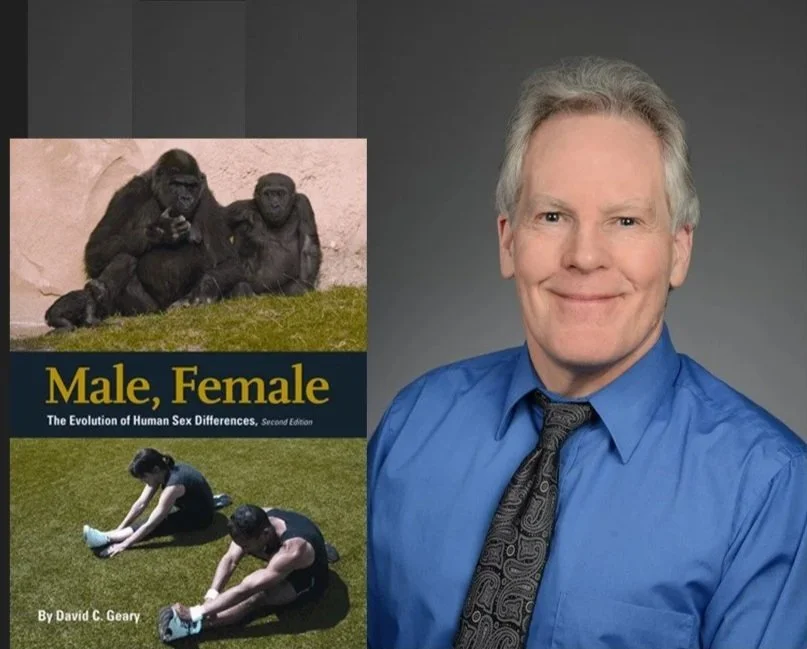
…people – men and women alike – respond less positively to male-favouring sex differences than they do to female-favouring sex differences.
hyper-masculine gender norms are typically embedded within military institutions, and while adherence to these norms can contribute to combat and military success, they conversely make clinical work challenging
Men might benefit greatly from a government strategy aimed at improving their health. Here are suggestions from the Centre for Male Psychology on how that might be done. This article ends with some comments on potential pitfalls in the process of putting this strategy in place.



…people – men and women alike – respond less positively to male-favouring sex differences than they do to female-favouring sex differences.



… many papers do not even bother to identify or justify the nationality of their samples…


Have you got something to say?
Check out our submissions page to find out how to write for us.
hyper-masculine gender norms are typically embedded within military institutions, and while adherence to these norms can contribute to combat and military success, they conversely make clinical work challenging

hyper-masculine gender norms are typically embedded within military institutions, and while adherence to these norms can contribute to combat and military success, they conversely make clinical work challenging

hyper-masculine gender norms are typically embedded within military institutions, and while adherence to these norms can contribute to combat and military success, they conversely make clinical work challenging

hyper-masculine gender norms are typically embedded within military institutions, and while adherence to these norms can contribute to combat and military success, they conversely make clinical work challenging

hyper-masculine gender norms are typically embedded within military institutions, and while adherence to these norms can contribute to combat and military success, they conversely make clinical work challenging

Much of our attitudes, theorizing and public debate around men and masculinity is influenced by high profile feminist and Gender Studies scholars in academia. But what is the scientific quality of publications from these scholars?

Some people blame drill music – a form of rap - for the rising murder rate in London. Drill is known for aggressive lyrics about gang violence, but rather than seeing this as a valuable way for young men to express their feelings, some people want to ban it.

To survive… cultures have to use men and women effectively and … in fact, most cultures have used men and women in different ways… what our culture does is [grant] greater status to men and greater protection to women

hyper-masculine gender norms are typically embedded within military institutions, and while adherence to these norms can contribute to combat and military success, they conversely make clinical work challenging

There are around 300,000 veterans living with hearing loss in the UK, according to The Royal British Legion. In addition to being at a greater risk of PTSD, depression, and anxiety, many vets are also battling psychological distress from hearing problems.

The book begins with a description of her therapeutic approach, and an illustration of how to understand and work with the rage often seen in male CSA clients.

I felt in my dealings with some police officers, as though I were treated firstly as a man (assumed to be a perpetrator), but they’d overlooked risks associated with my impairment. Example: How can you dodge a missile you don’t see coming?

The Panorama programme on domestic violence failed to adequately highlight two important issues: male victims and female perpetrators.

your photograph, name and address, might appear in the local and national press and on TV, insinuating what an evil monster you are

…an attack upon masculinity is an attack upon one’s sense of self, of identity. …What, then, is the right psychological defence against such an attack?

The male has been designed to “look”, not only at the female, but to “look out” for prey, for danger, and for ways to protect his family unit.

If his child is allowed to live, this man must be available, for the rest of his life, to love and provide for his child… If, on the other hand, it is decided that his child is to be destroyed, he should be able to go about his life as if nothing has happened

Socialising is a basic human need. The opposite – social isolation – is one of the worst forms of torture. Some people look down on the local pub as a place for undesirable riff raff, but that narrow viewpoint misses entirely the community value of the pub

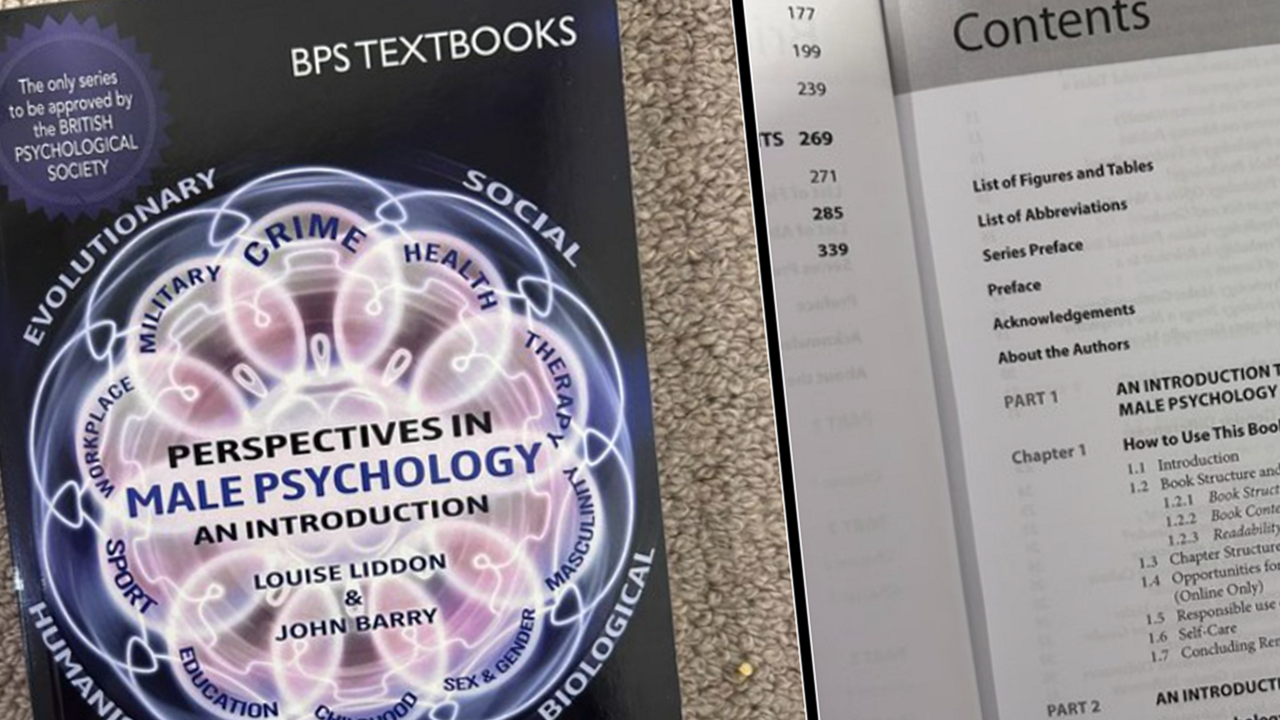
Male psychology is a recent development in academia. Unlike gender studies, feminism, and men’s studies, male psychology takes the view that we can gain more by recognising and harnessing the positive aspects of masculinity than we can by taking a relentlessly negative approach to men.

.