
The contemporary world offers infinite resources to fill the void in peoples’ lives. Aristotle warned us that “nature abhors a vacuum”. Yet, as we now know, those resources have also created areas of opportunity for the cunning manipulator. This can be very entertaining online, but it brings a novel threat to the developing minds of adolescents. In this article I want to speak to young males directly about a particular threat to their long-term mental health, sense of fulfilment and life satisfaction. The threat can be seen in the recent activity by men like Andrew Tate and many others.
“we all know that young people enter a rebellious phase, and we should limit the damage they can do to their lives during this phase.”
The popularity of these figures is a backlash from the irresponsible use of the term ‘toxic masculinity’ which has been increasingly used worldwide. These men are feeding off the anxieties of young men who see the term “toxic masculinity” in movies, textbooks, magazines, all over social media and even from within their immediate network. The term creates a void within the undeveloped male, they are driven to fill the void.
Aside from the complex psychological mechanisms I will get to below, we all know that young people enter a rebellious phase, and we should limit the damage they can do to their lives during this phase. Enabled by social media, the impact from socially belligerent public figures is now reaching older and ‘low status’ men too, often resulting in – or fuelling - hostility toward females. This has significant consequences in people’s daily lives and spreads to the wider society and their immediate support network. This issue has come up repeatedly in my private counselling practice.
Here is a paraphrased example of in-session conversations I have had with several female clients recently:
Me: If your boyfriend is behaving very out of character, is it possible he is being influenced by someone else?
Female client: Oh yes, I know he is, he watches YouTube videos of Andrew Tate all the time.
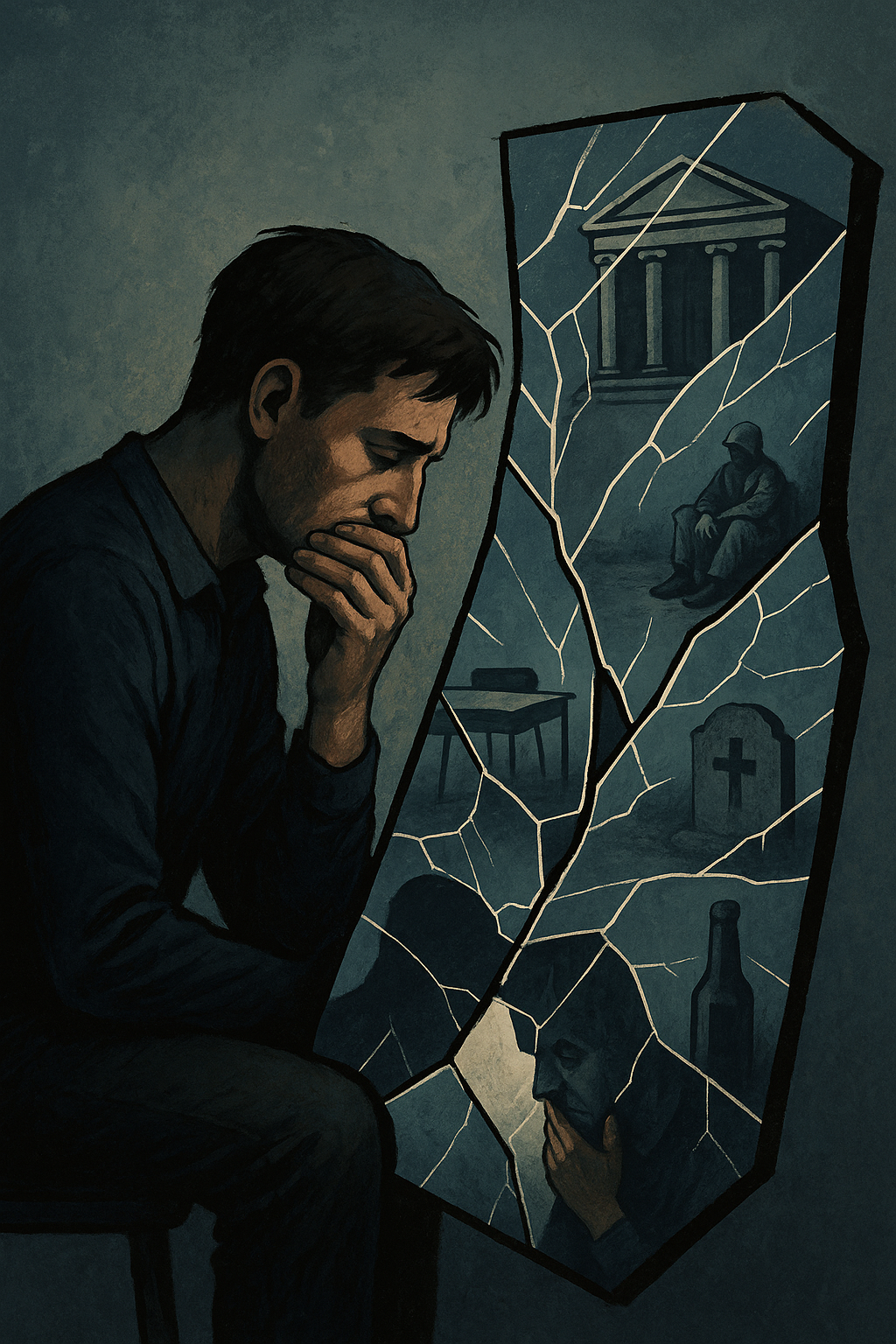
Here we have a young woman who will face a choice: capitulate to the dysfunctional ideas her partner has learned, or leave the relationship. In two cases the inevitable break-up was traumatic for the male partner. In one case he went on a gym binge and total denial through deflection from his mistakes. In another, the man returned weeks later and admitted he had gone down a dark path after his father passed away. Integrating the archetype of the ‘father’ into their psyche is a life-stage transition that many men deflect from by adopting distractions. The void remains, often into middle age.
“I want to speak to young men directly: you are being used, consumed, and misled into a self-destructive path […] Consumers are ultimately consumed”.
In other cases, men have asked me what I think of these public figures, which suggests a need for other perspectives on what it is to be a healthy, thriving man. It also reveals the void into which the cunning manipulator will insert himself. Nature abhors a vacuum. Perhaps other men have failed to stand up and fill this void? I want to speak to young men directly: you are being used, consumed, and misled into a self-destructive path.
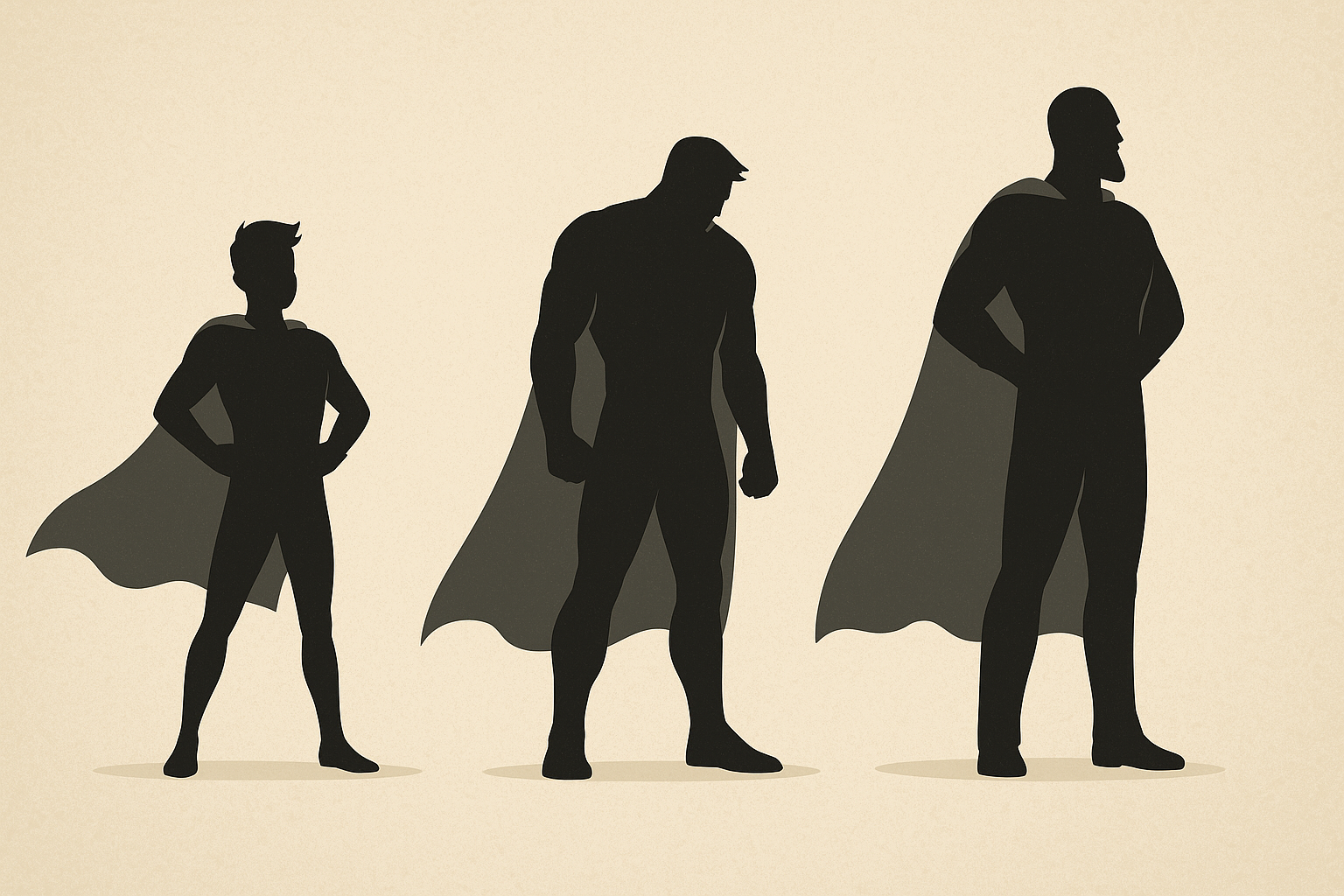
The essential flaw in the belligerent male ‘social influencer’ sales pitch is that their ‘success’ is predicated on consumption, dominance, and subjugation of others. It is vulnerable, shallow and without substance. Its mocks the authentic potential inherent in masculine energy. Consumers are ultimately consumed. Anything that relies on those three factors to survive is carrying a deadly virus; it is called existential guilt. When we act purely in response to external incentives and rewards, we surrender our autonomy to that force. A loss of autonomy has a catastrophic impact on your mental health. Instead, we urgently need to promote healthy male role models who exhibit creative ways to exercise masculinity in noble ways. These are seen in the iconic figures we see in many hero roles; they rise to action to defend their loved ones, overcome tyranny, or protect the freedom of others. These behaviours serve a greater good. However, the danger here is that men choose to sacrifice themselves completely to the ‘greater good’, while others sacrifice their bodies for entertainment of others through life-threatening sports. Not all men can or should rise to these all-consuming roles. Depending on their innate capacity, many will seek to escape them at all costs, others will discover innovative ways to fulfil their masculine drive while developing themselves in a sustainable, pro-social way.
“As these influencers implode, young men have an opportunity to find ways to help them learn authentic values”.
An overcorrection to socially imposed duties or incentives can become destructive if there is a lack of self-awareness and effective role models. Men simply cannot fill the void within by focusing on external incentives alone. Predictably, the popularity of Tate and others has been eroded by recent events. As these influencers implode, young men have an opportunity to find ways to help them learn authentic values. A special mention must go to the men who started The Minimalists who, although not a male focused project, provide all the guidelines needed for males to abandon socially imposed duties and begin a journey of self-awareness.
“In the end, rather than trying to fill the void, they can embrace their innate masculinity and direct its energy toward creation.”
Masculine-friendly therapy can help men recognise their innate capacity and unique values, make better choices, and thrive. This approach increases autonomy and is not at the expense of others. It does not depend on subjugation or sustained dominance, therefore it does not generate existential guilt. While females create life within, males are creators in the material world. We built the world you see around you, women created life for us all. But a man who leaves a void within surrenders himself to external forces that will enslave him to a life of utility, inadvertently making himself disposable. Men who engage a process of self-discovery by challenging themselves; comparing themselves to themselves rather than to others, who seek knowledge, limit consumption, exercise creativity, utilise their bodies and answer the call of the masculine spirit within; can develop better values that lead to better choices and better outcomes. This journey creates a fulfilled, purposeful, inspiring life for themselves and others. In the end, rather than trying to fill the void, they can embrace their innate masculinity and direct its energy toward creation.
Scroll down to join the discussion
Disclaimer: This article is for information purposes only and is not a substitute for therapy, legal advice, or other professional opinion. Never disregard such advice because of this article or anything else you have read from the Centre for Male Psychology. The views expressed here do not necessarily reflect those of, or are endorsed by, The Centre for Male Psychology, and we cannot be held responsible for these views. Read our full disclaimer here.
Like our articles?
Click here to subscribe to our FREE newsletter and be first
to hear about news, events, and publications.



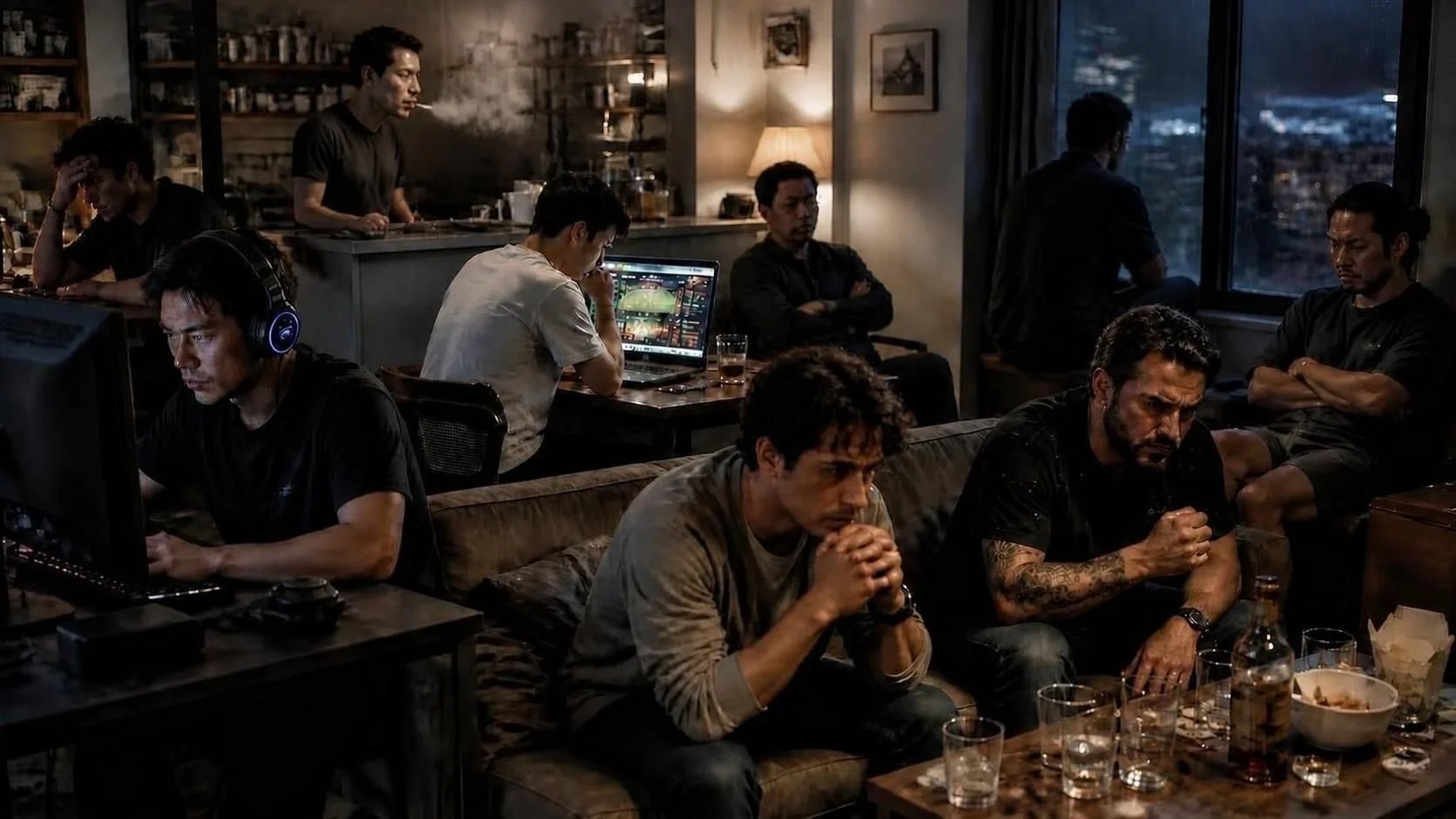





When a male is in a power imbalance, at least two masculine instincts are disempowered…

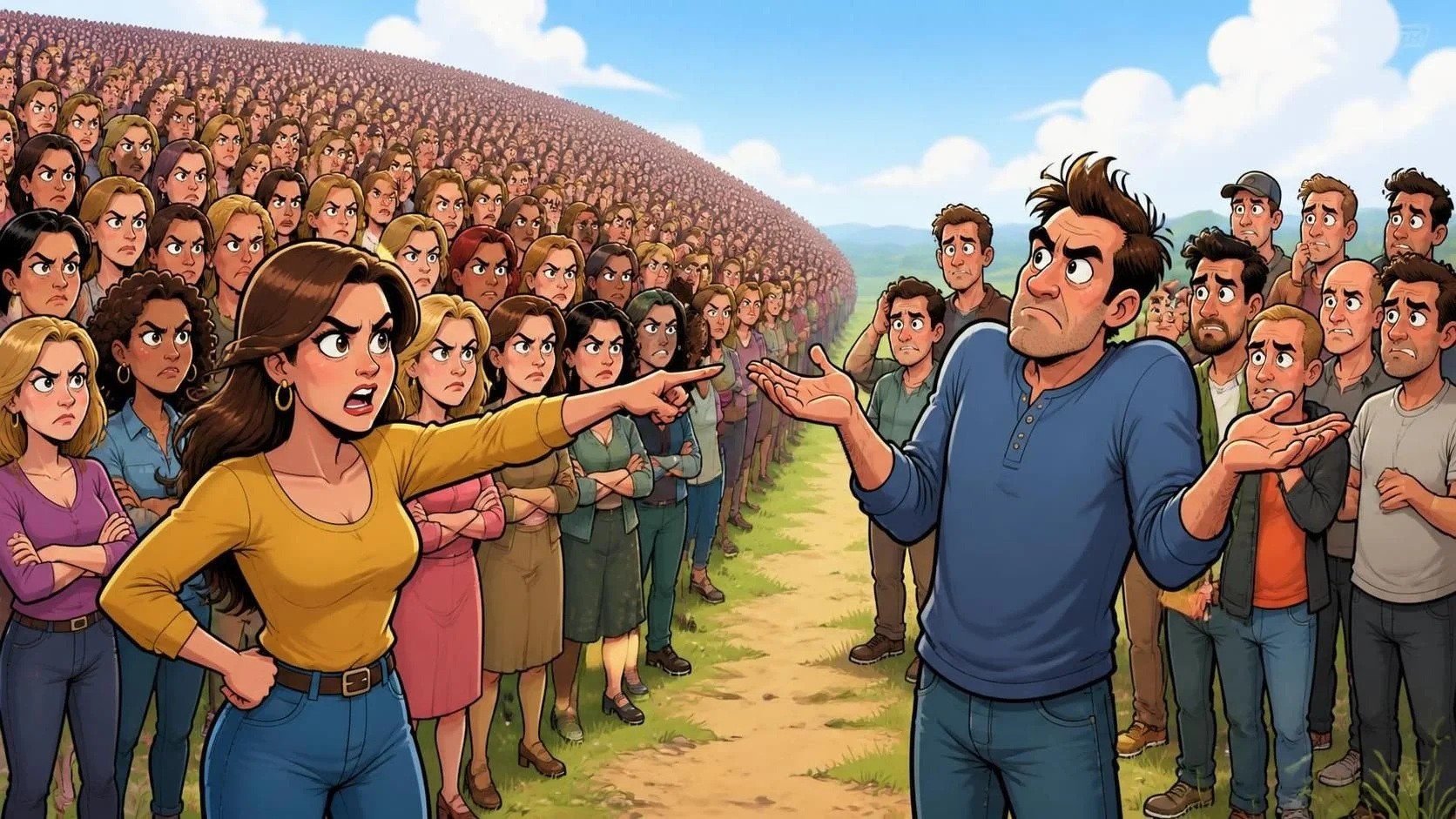
…people – men and women alike – respond less positively to male-favouring sex differences than they do to female-favouring sex differences.
hyper-masculine gender norms are typically embedded within military institutions, and while adherence to these norms can contribute to combat and military success, they conversely make clinical work challenging
Men might benefit greatly from a government strategy aimed at improving their health. Here are suggestions from the Centre for Male Psychology on how that might be done. This article ends with some comments on potential pitfalls in the process of putting this strategy in place.



…people – men and women alike – respond less positively to male-favouring sex differences than they do to female-favouring sex differences.
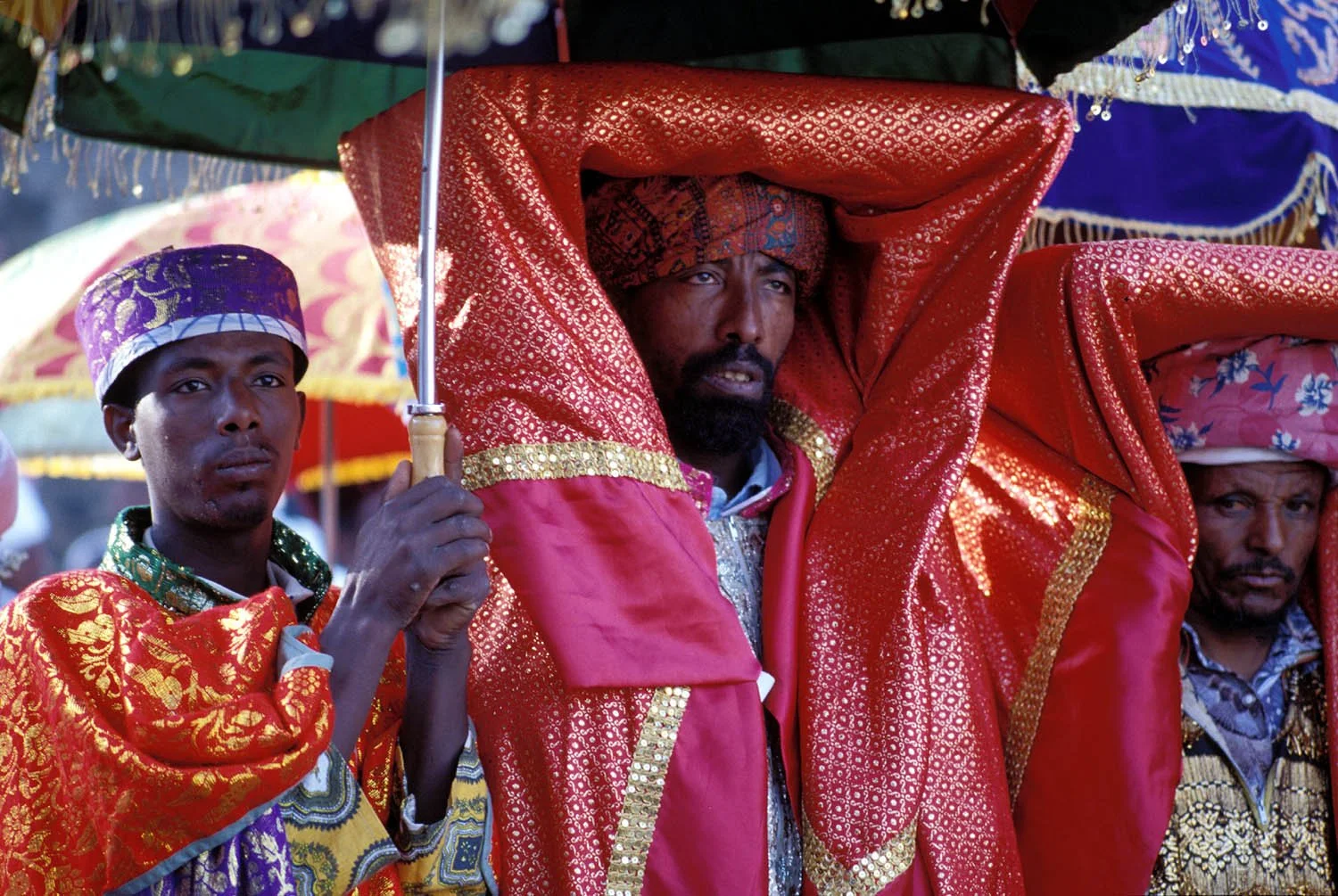


… many papers do not even bother to identify or justify the nationality of their samples…

hyper-masculine gender norms are typically embedded within military institutions, and while adherence to these norms can contribute to combat and military success, they conversely make clinical work challenging
Have you got something to say?
Check out our submissions page to find out how to write for us.
hyper-masculine gender norms are typically embedded within military institutions, and while adherence to these norms can contribute to combat and military success, they conversely make clinical work challenging

hyper-masculine gender norms are typically embedded within military institutions, and while adherence to these norms can contribute to combat and military success, they conversely make clinical work challenging
hyper-masculine gender norms are typically embedded within military institutions, and while adherence to these norms can contribute to combat and military success, they conversely make clinical work challenging

hyper-masculine gender norms are typically embedded within military institutions, and while adherence to these norms can contribute to combat and military success, they conversely make clinical work challenging

hyper-masculine gender norms are typically embedded within military institutions, and while adherence to these norms can contribute to combat and military success, they conversely make clinical work challenging

Much of our attitudes, theorizing and public debate around men and masculinity is influenced by high profile feminist and Gender Studies scholars in academia. But what is the scientific quality of publications from these scholars?

Some people blame drill music – a form of rap - for the rising murder rate in London. Drill is known for aggressive lyrics about gang violence, but rather than seeing this as a valuable way for young men to express their feelings, some people want to ban it.

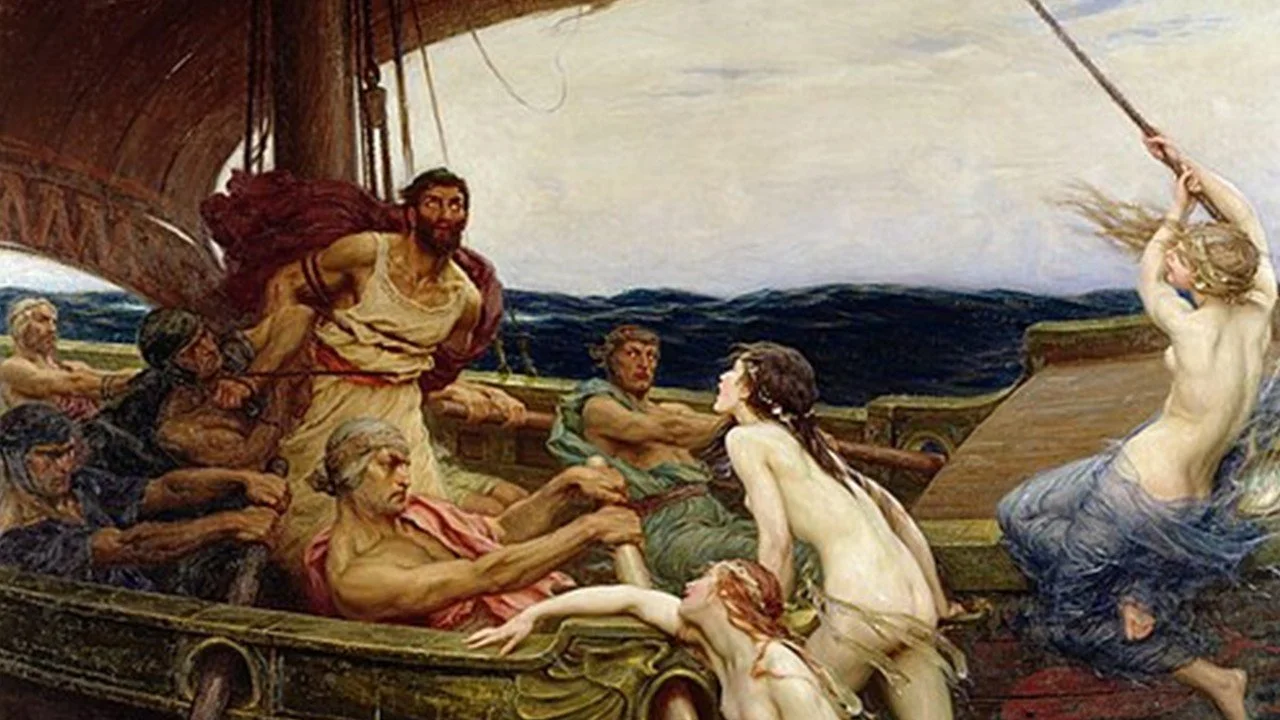
To survive… cultures have to use men and women effectively and … in fact, most cultures have used men and women in different ways… what our culture does is [grant] greater status to men and greater protection to women

hyper-masculine gender norms are typically embedded within military institutions, and while adherence to these norms can contribute to combat and military success, they conversely make clinical work challenging
There are around 300,000 veterans living with hearing loss in the UK, according to The Royal British Legion. In addition to being at a greater risk of PTSD, depression, and anxiety, many vets are also battling psychological distress from hearing problems.

The book begins with a description of her therapeutic approach, and an illustration of how to understand and work with the rage often seen in male CSA clients.

I felt in my dealings with some police officers, as though I were treated firstly as a man (assumed to be a perpetrator), but they’d overlooked risks associated with my impairment. Example: How can you dodge a missile you don’t see coming?

The Panorama programme on domestic violence failed to adequately highlight two important issues: male victims and female perpetrators.

your photograph, name and address, might appear in the local and national press and on TV, insinuating what an evil monster you are

…an attack upon masculinity is an attack upon one’s sense of self, of identity. …What, then, is the right psychological defence against such an attack?

The male has been designed to “look”, not only at the female, but to “look out” for prey, for danger, and for ways to protect his family unit.

If his child is allowed to live, this man must be available, for the rest of his life, to love and provide for his child… If, on the other hand, it is decided that his child is to be destroyed, he should be able to go about his life as if nothing has happened
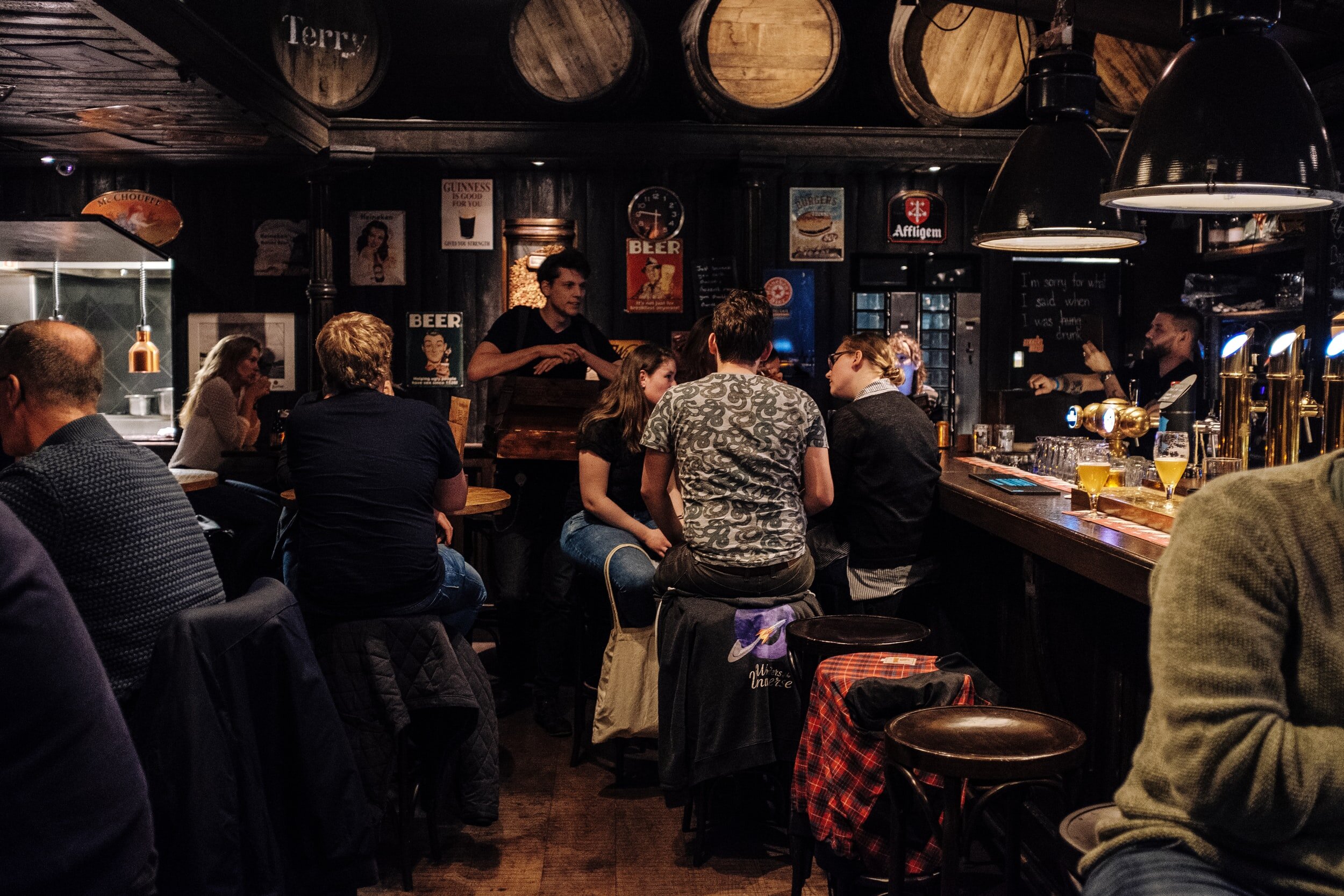
Socialising is a basic human need. The opposite – social isolation – is one of the worst forms of torture. Some people look down on the local pub as a place for undesirable riff raff, but that narrow viewpoint misses entirely the community value of the pub

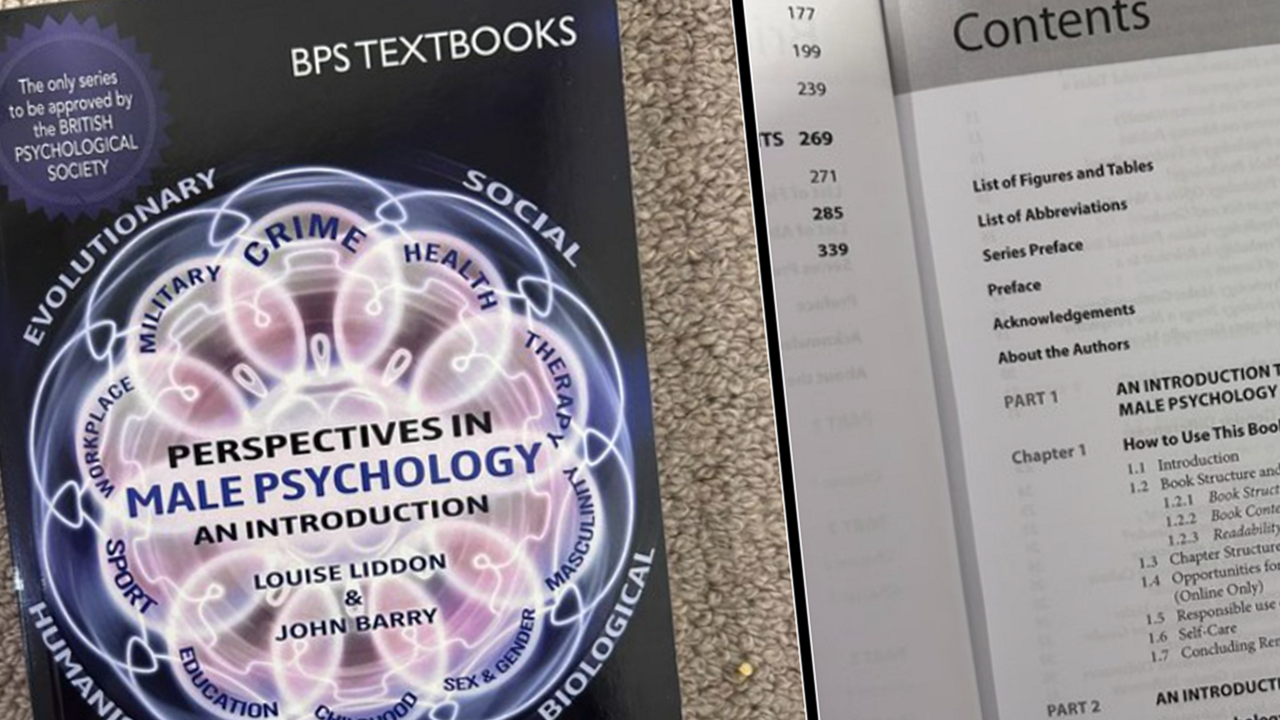
Male psychology is a recent development in academia. Unlike gender studies, feminism, and men’s studies, male psychology takes the view that we can gain more by recognising and harnessing the positive aspects of masculinity than we can by taking a relentlessly negative approach to men.

.