

You can’t put your arms around a memory (of your absent father)
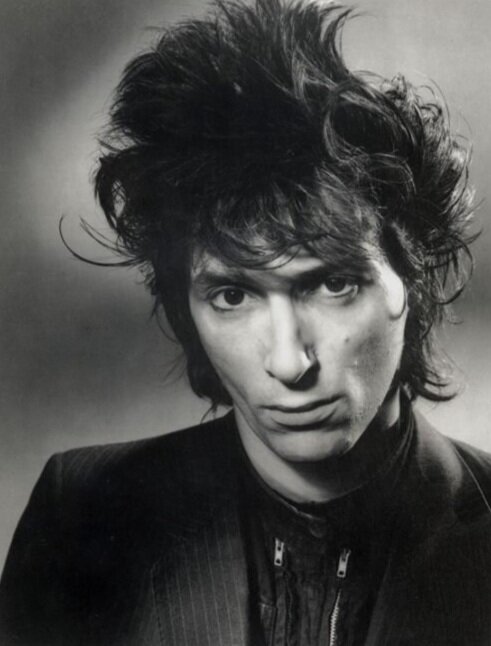
Johnny Thunders, guitarist with the hugely influential New York Dolls and The Heartbreakers, is a rock & roll icon. His is a story of incredible talent tragically squandered to heroin addiction. This article speculates that the cause of this tragedy was dad deprivation.
His story is depressingly familiar, echoed in the lives of contemporaries of the music scene in the late 70s, such as Sid Vicious and Steve Jones of the Sex Pistols. Like Vicious and Jones, Thunders (real name John Anthony Genzale) had a dad-shaped hole in his life. Shortly after he was born into an Italian-American household in Queens, New York, Thunders’ womanising father left home, leaving him to be raised by his mother and older sister.
His sister’s record collection – mainly girl groups like the Shangri-Las – helped fill the void for a time, and we might speculate on how this influenced the cross-dressing of The New York Dolls. But Thunders was also a natural athlete and excelled at baseball. He even got a tryout with the Little League’s Philadelphia Phillies, but he wasn’t allowed to take part because of the requirement of the presence of a father.
“He transferred his energy into guitar playing and fashion. These activities however didn’t fill the void in his life, as suggested by his addiction to drugs.”
But clearly Thunders had spirit and he transferred his energy into guitar playing and fashion. These activities however didn’t fill the void in his life, as suggested by his addiction to drugs. He and The Dolls became notoriously unreliable due to the influence of drugs and addiction, and his music career was crippled because of the music industry’s lack of willingness to take a risk investing their money there.
Drug-taking wrecked his mental health too. Thunders was sometimes described as appearing depressed. One story tells of him fleeing a hotel room, terrified because he thought Darth Vader was hiding behind his curtains. Psychologists of a psychoanalytic nature might read something into the fact that the Darth Vader character was originally conceived as a ‘Dark Father’, which is perhaps what Thunders’ father became to him, due to prolonged absence.
Like his father, Thunders was popular with women. He tried to settle down and had three sons with wife Julie Jordan in the late 70s, but his drug use made his life shambolic and incompatible with family life. In the early 1980s Jordan took the children from him, and he never saw them again. His eldest son Vito would later be jailed for drug trafficking. Perhaps Vito was also a victim of dad-deprivation.
“In the absence of healthy rites-of-passage overseen by the adult men of the village, young men without dads will create unhealthy rites-of-passage.”
There is a rumor that is interesting in regards to Thunders and Sid Vicious, both of whom were victims of dad-deprivation. It is claimed that Thunders introduced Sid Vicious to heroin, waving a syringe in his face and shouting: “Are you a boy or a man?” Perhaps this shows that in the absence of healthy rites-of-passage overseen by the adult men of the village, young men without dads will create unhealthy rites-of-passage.
Thunders’ drug abuse made him hard work for anyone around him and contributed to his notoriety, but it would be naïve to think that it contributed to his talent. In fact his drug use vastly reduced his creativity and output, and who knows how many more great songs he would have recorded had he not been so hopelessly addicted and self-destructive.
According to Thunders’ biographer, Nina Antonia: “The thing that was always missing was a father figure”. He could have been a massive success, but he became best known for failure. One of his best known songs is “Born to lose” – clearly that’s how he felt, and that’s how he lived. He died tragically aged 39 in New Orleans in seedy and mysterious – possibly murderous – circumstances. Definitely not the way any father wants their son’s life to end, and something for all fathers to learn from.
Further reading
Antonia, N. (2000). Johnny Thunders: In Cold Blood. Cherry Red Books.
Barry J (2017). How much empathy do we have for a Lonely Boy? https://malepsychology.org.uk/2017/01/09/how-much-empathy-do-we-have-for-a-lonely-boy/
Barry J (2019). Born to lose: the sad start and tragic end of Sid Vicious
Farrel, W (2018). The Boy Crisis: Why Our Boys Are Struggling and What We Can Do About It.
Jones, S. (2016). Lonely Boy: tales from a Sex Pistol. London: William Heinemann. ISBN-10: 1785150677
This article was first published on the Male Psychology Network website in 2019
Scroll down to join the discussion
Disclaimer: This article is for information purposes only and is not a substitute for therapy, legal advice, or other professional opinion. Never disregard such advice because of this article or anything else you have read from the Centre for Male Psychology. The views expressed here do not necessarily reflect those of, or are endorsed by, The Centre for Male Psychology, and we cannot be held responsible for these views. Read our full disclaimer here.
Like our articles?
Click here to subscribe to our FREE newsletter and be first
to hear about news, events, and publications.

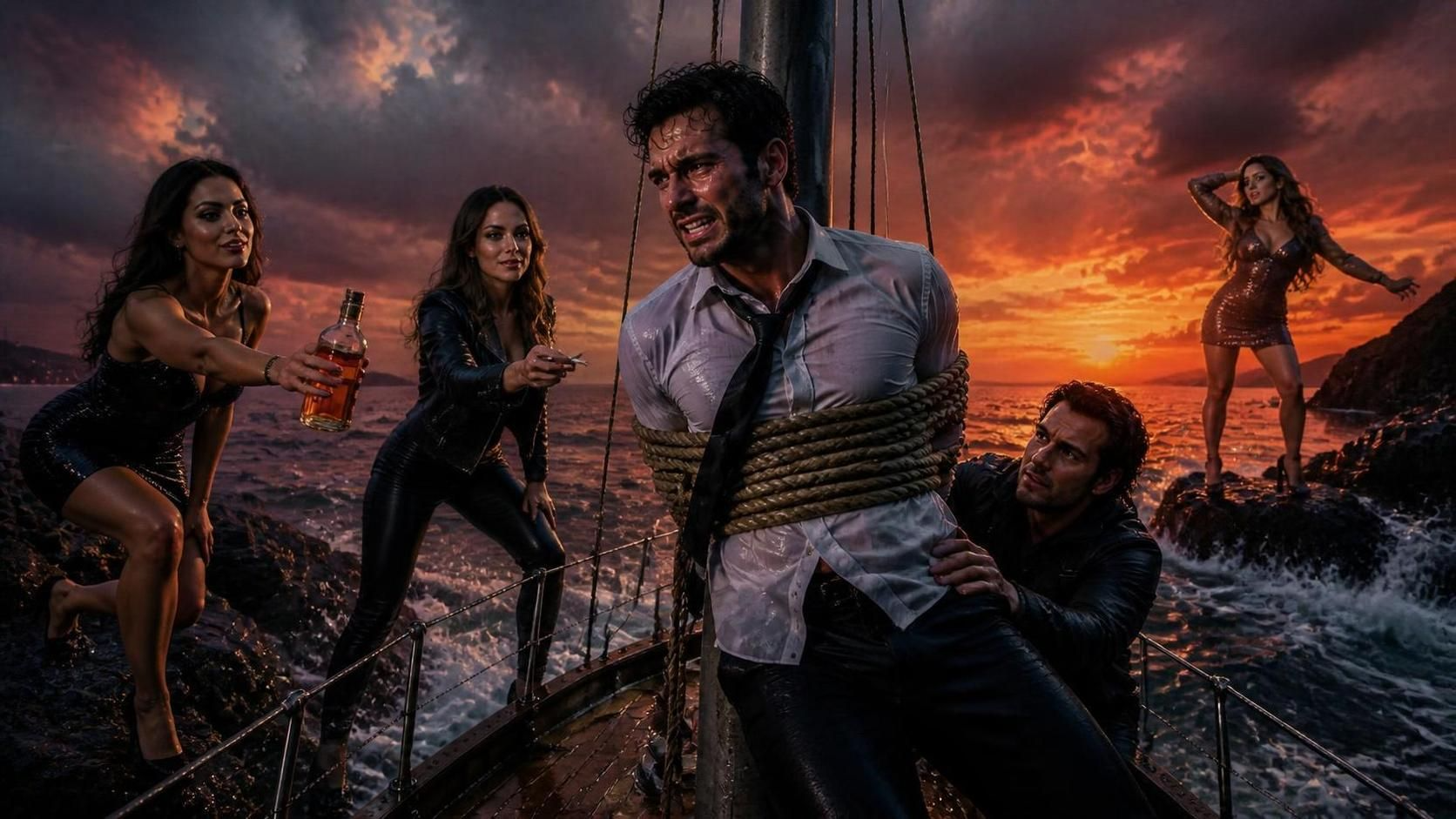


When a male is in a power imbalance, at least two masculine instincts are disempowered…

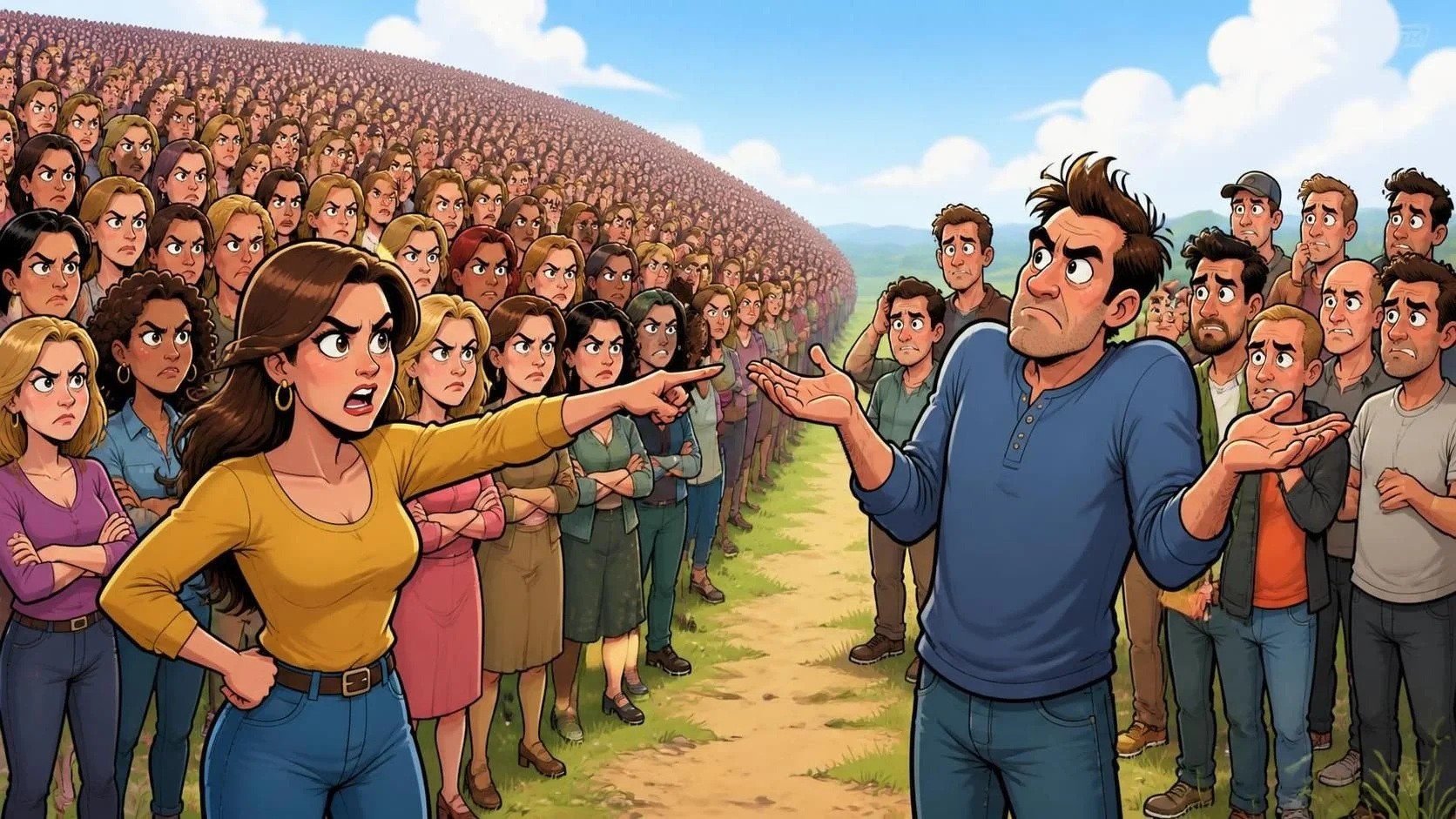
…people – men and women alike – respond less positively to male-favouring sex differences than they do to female-favouring sex differences.
hyper-masculine gender norms are typically embedded within military institutions, and while adherence to these norms can contribute to combat and military success, they conversely make clinical work challenging
Men might benefit greatly from a government strategy aimed at improving their health. Here are suggestions from the Centre for Male Psychology on how that might be done. This article ends with some comments on potential pitfalls in the process of putting this strategy in place.



…people – men and women alike – respond less positively to male-favouring sex differences than they do to female-favouring sex differences.


… many papers do not even bother to identify or justify the nationality of their samples…

hyper-masculine gender norms are typically embedded within military institutions, and while adherence to these norms can contribute to combat and military success, they conversely make clinical work challenging

Have you got something to say?
Check out our submissions page to find out how to write for us.
hyper-masculine gender norms are typically embedded within military institutions, and while adherence to these norms can contribute to combat and military success, they conversely make clinical work challenging
hyper-masculine gender norms are typically embedded within military institutions, and while adherence to these norms can contribute to combat and military success, they conversely make clinical work challenging
hyper-masculine gender norms are typically embedded within military institutions, and while adherence to these norms can contribute to combat and military success, they conversely make clinical work challenging
hyper-masculine gender norms are typically embedded within military institutions, and while adherence to these norms can contribute to combat and military success, they conversely make clinical work challenging

hyper-masculine gender norms are typically embedded within military institutions, and while adherence to these norms can contribute to combat and military success, they conversely make clinical work challenging

Much of our attitudes, theorizing and public debate around men and masculinity is influenced by high profile feminist and Gender Studies scholars in academia. But what is the scientific quality of publications from these scholars?

Some people blame drill music – a form of rap - for the rising murder rate in London. Drill is known for aggressive lyrics about gang violence, but rather than seeing this as a valuable way for young men to express their feelings, some people want to ban it.

To survive… cultures have to use men and women effectively and … in fact, most cultures have used men and women in different ways… what our culture does is [grant] greater status to men and greater protection to women

hyper-masculine gender norms are typically embedded within military institutions, and while adherence to these norms can contribute to combat and military success, they conversely make clinical work challenging
There are around 300,000 veterans living with hearing loss in the UK, according to The Royal British Legion. In addition to being at a greater risk of PTSD, depression, and anxiety, many vets are also battling psychological distress from hearing problems.

The book begins with a description of her therapeutic approach, and an illustration of how to understand and work with the rage often seen in male CSA clients.

I felt in my dealings with some police officers, as though I were treated firstly as a man (assumed to be a perpetrator), but they’d overlooked risks associated with my impairment. Example: How can you dodge a missile you don’t see coming?

The Panorama programme on domestic violence failed to adequately highlight two important issues: male victims and female perpetrators.

your photograph, name and address, might appear in the local and national press and on TV, insinuating what an evil monster you are

…an attack upon masculinity is an attack upon one’s sense of self, of identity. …What, then, is the right psychological defence against such an attack?

The male has been designed to “look”, not only at the female, but to “look out” for prey, for danger, and for ways to protect his family unit.

If his child is allowed to live, this man must be available, for the rest of his life, to love and provide for his child… If, on the other hand, it is decided that his child is to be destroyed, he should be able to go about his life as if nothing has happened
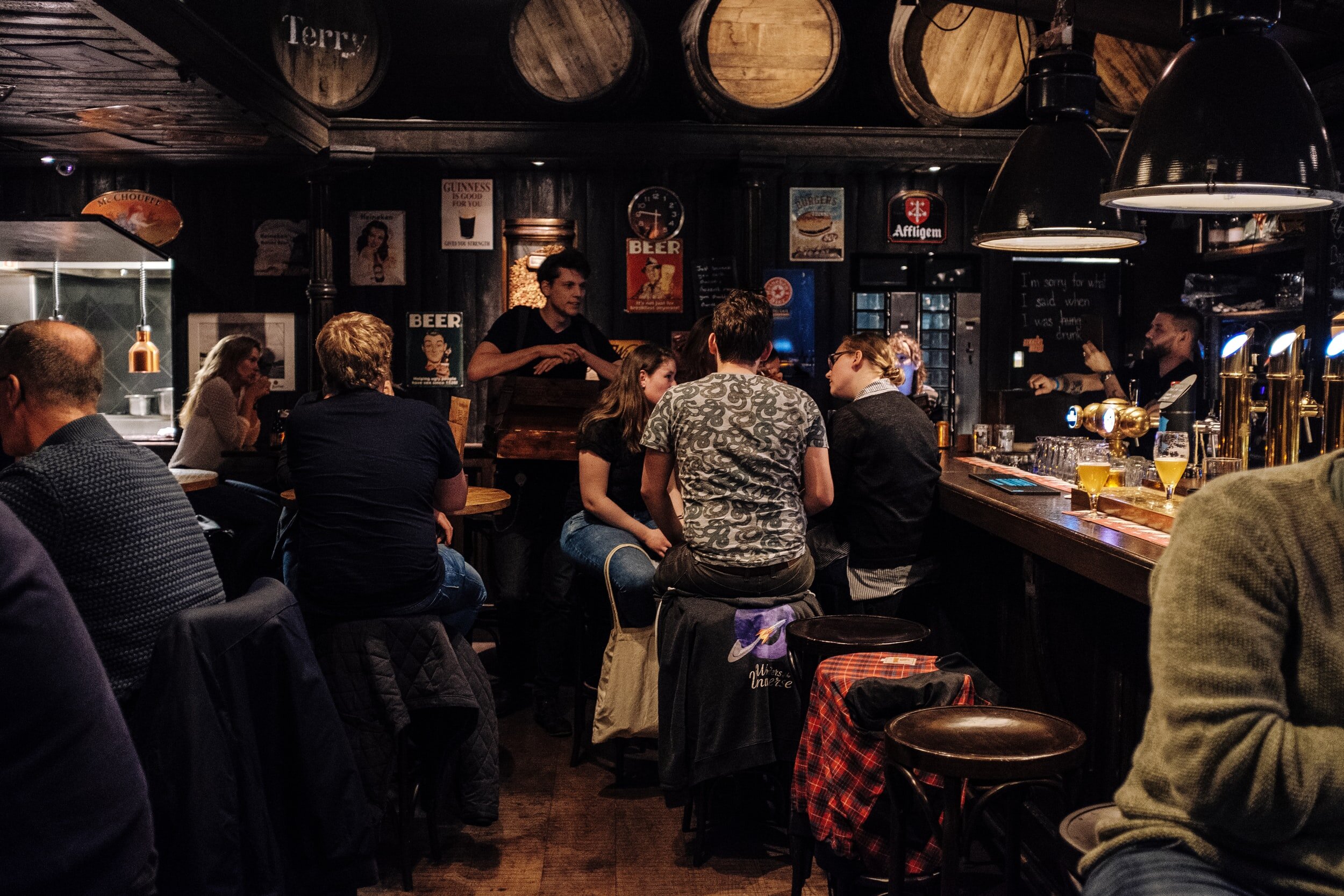
Socialising is a basic human need. The opposite – social isolation – is one of the worst forms of torture. Some people look down on the local pub as a place for undesirable riff raff, but that narrow viewpoint misses entirely the community value of the pub

Male psychology is a recent development in academia. Unlike gender studies, feminism, and men’s studies, male psychology takes the view that we can gain more by recognising and harnessing the positive aspects of masculinity than we can by taking a relentlessly negative approach to men.

.
 John Barry
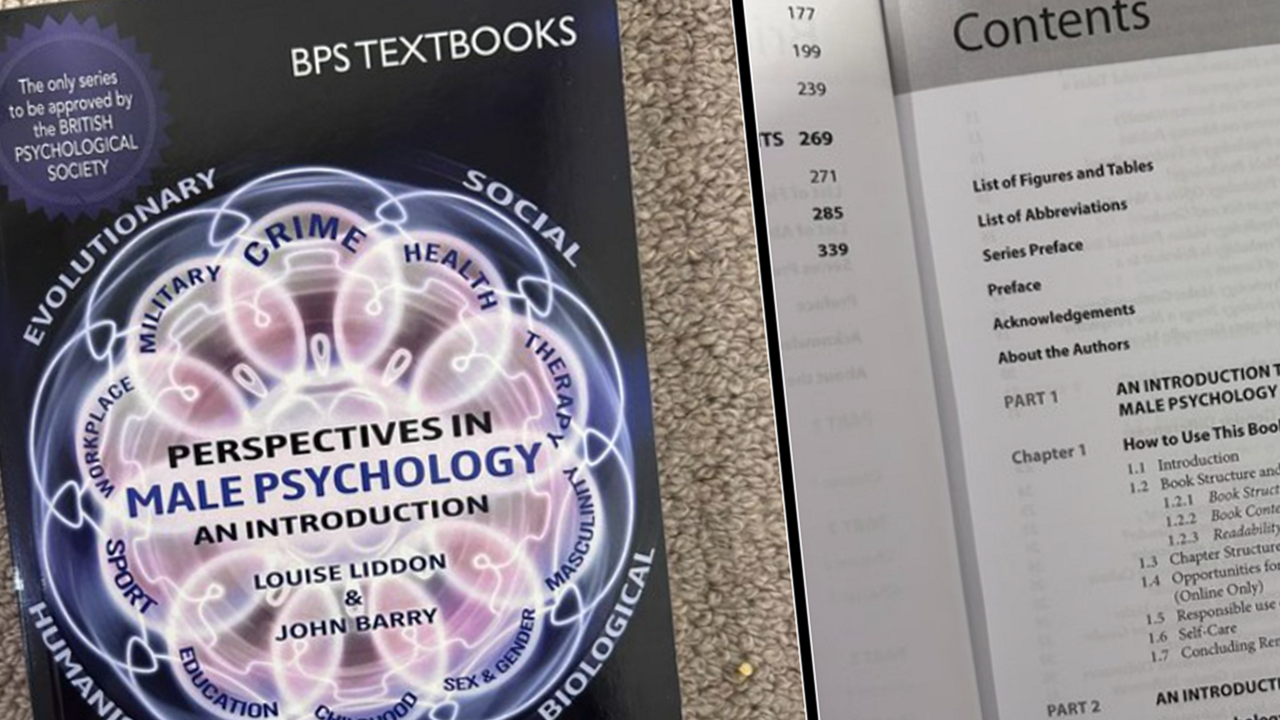
Dr John Barry is a chartered psychologist, researcher, clinical hypnotherapist and co-founder of the Male Psychology Network, BPS Male Psychology Section, and The Centre for Male Psychology (CMP). Also co-editor of the Palgrave Handbook of Male Psychology & Mental Health, co-author of the textbook Perspectives in Male Psychology: An Introduction (Wiley), and presenter on Centre for Male Psychology training courses.