

In the Britain I once knew, the process of growing up meant gaining a measure of toughness learned through life’s ups and downs. To have that ‘stiff upper lip’ involves shedding the weaknesses and fears of childhood by acquiring the skills required to take care of yourself as you mature.
“Perhaps that would be the greatest triumph of this woke generation: to inveigle us into believing that victimhood is empowering”.
That mindset, unfortunately, is being abandoned – or more accurately, a newer mindset is being dictated upon us by an entitled and pampered section of society obsessed with microaggressions and moral superiority. It’s a generation intent on transitioning from the tried and true ‘rub-some-dirt-on-it’ mentality to the woke-age approach of achieving sympathy and power all at once by swaddling in a blanket of victimhood. Perhaps that would be the greatest triumph of this woke generation: to inveigle us into believing that victimhood is empowering.
The harsh truth is that everyone faces adversity, but it’s how you deal with it that ultimately moulds your moral character and defines the level of resilience you can apply to difficult situations as you grow.
In our brave new world overwhelmed with an indulgence of pity-seekers, resilience is becoming less and less likely to be a genetic trait passed down to the next generation. I say this only slightly facetiously because while scientists contend that resilience is certainly influenced by genetic factors, there is also a host of research indicating that an individual's resilience is influenced by a combination of genetics, personal history, environment, and situational context.
“Resilient people do not let adversity define them, because they have been conditioned to perceive bad times as a temporary situation.”
Resilience is a trait that is partially inherited and partially cultivated. And if, with the vicissitudes of life, that cultivation element of resilience is eliminated, that leaves a gaping hole in the ability of an individual to deal with life’s challenges.
Resilient people do not let adversity define them, because they have been conditioned to perceive bad times as a temporary situation. The belief that resilient people have in themselves fortifies their mental strength and allows them to see a clearer way through the bad times, while dynamically understanding that they will emerge from these challenging times more psychologically capable to face the next adversity. This is not conjecture; it’s science.
A 2015 study – on psychological resistance among women exposed to trauma – identified two key factors linked with resilience: social support and mastery. Social support is self-explanatory; the researchers observed that individuals who reported strong support structures were less likely to develop psychiatric disorders and more likely to recover from them if they did. Mastery, on the other hand, was slightly less intuitive. In the study, mastery is defined as the degree to which individuals perceive themselves as having control and influence over their own circumstances – their (learned) ability to cope with challenging circumstances. So while we can’t necessarily control our social structures, we can boost our resilience by developing a stronger sense of mastery in our own lives.
But it’s not just social support and mastery that can foster resilience. A 2019 study suggests that gender is a factor that contributes to resilience among traumatised individuals, and that men generally have a higher level of resilience than women.
Men end up getting less empathy as compared to women – who communicate more, so earning more empathy than men. Women tend to use their support systems while men use a more isolated means to achieve resilience. This difference substantiates the need for a gender-specific social support structure.
Still, regardless of gender, the strength of a person’s moral character and the value of their life will never be defined by the challenges they encounter, but rather, how they overcome them. Children growing up in an abusive home can have considerable harm inflicted upon them, but their responses to this adversity – repeated over years of abuse – becomes an inherent part of their character and can potentially manifest as a lasting moral strength.
Ultimately, our society will be motivated by this type of hope and perseverance rather than by the victimhood mentality that only distracts us from more pressing issues.
Scroll down to join the discussion
Disclaimer: This article is for information purposes only and is not a substitute for therapy, legal advice, or other professional opinion. Never disregard such advice because of this article or anything else you have read from the Centre for Male Psychology. The views expressed here do not necessarily reflect those of, or are endorsed by, The Centre for Male Psychology, and we cannot be held responsible for these views. Read our full disclaimer here.
Like our articles?
Click here to subscribe to our FREE newsletter and be first
to hear about news, events, and publications.


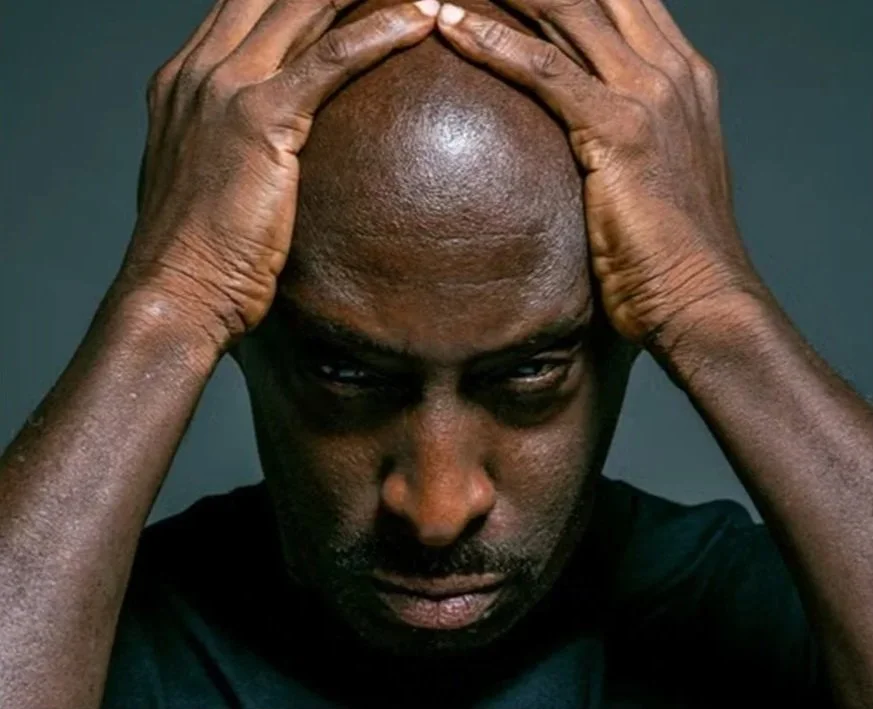



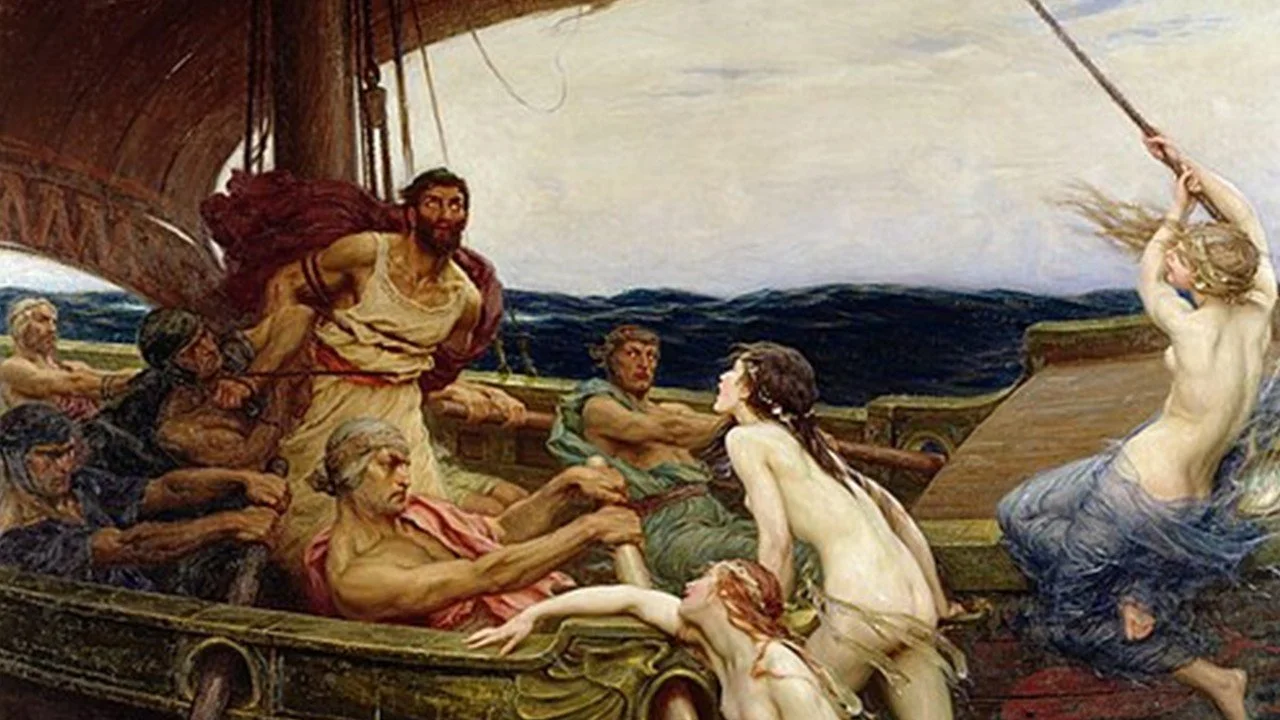

When a male is in a power imbalance, at least two masculine instincts are disempowered…

…people – men and women alike – respond less positively to male-favouring sex differences than they do to female-favouring sex differences.
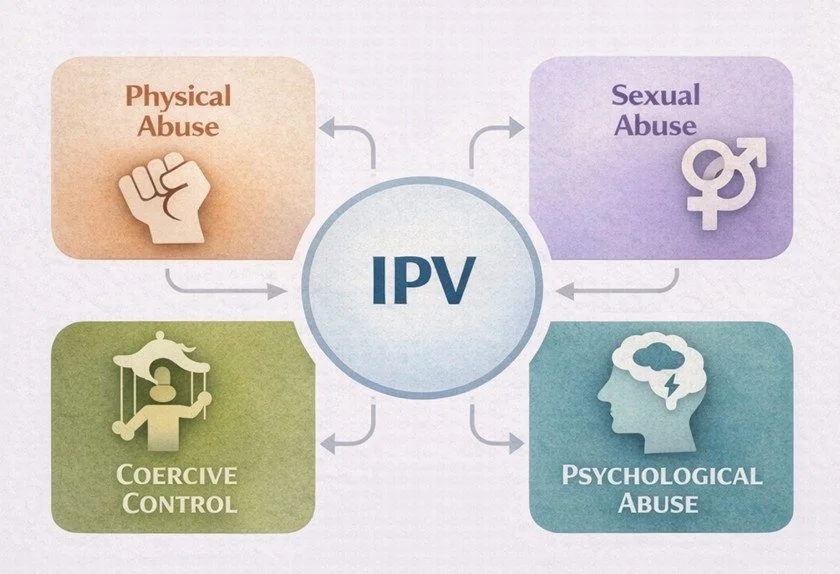
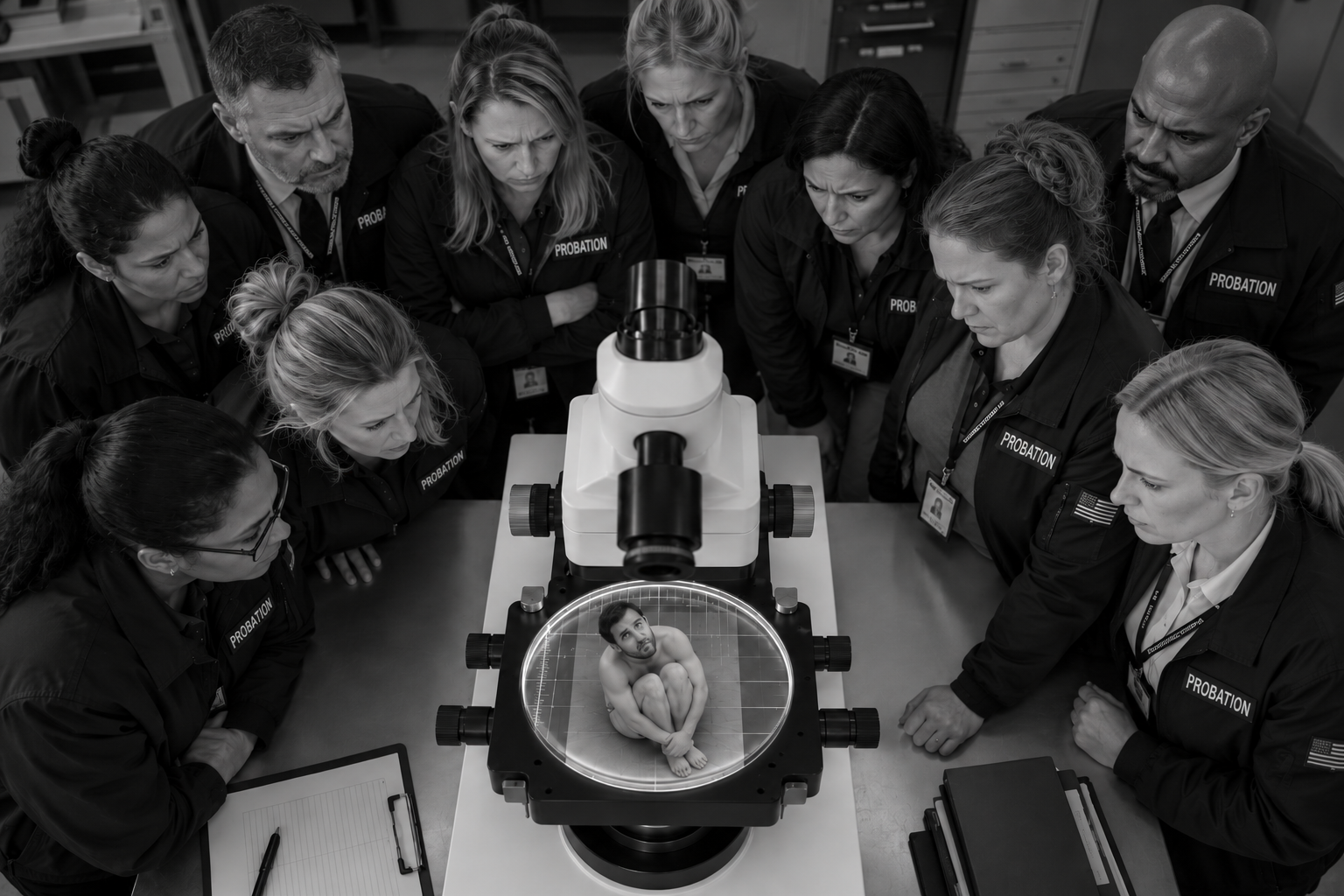
hyper-masculine gender norms are typically embedded within military institutions, and while adherence to these norms can contribute to combat and military success, they conversely make clinical work challenging
Men might benefit greatly from a government strategy aimed at improving their health. Here are suggestions from the Centre for Male Psychology on how that might be done. This article ends with some comments on potential pitfalls in the process of putting this strategy in place.



…people – men and women alike – respond less positively to male-favouring sex differences than they do to female-favouring sex differences.
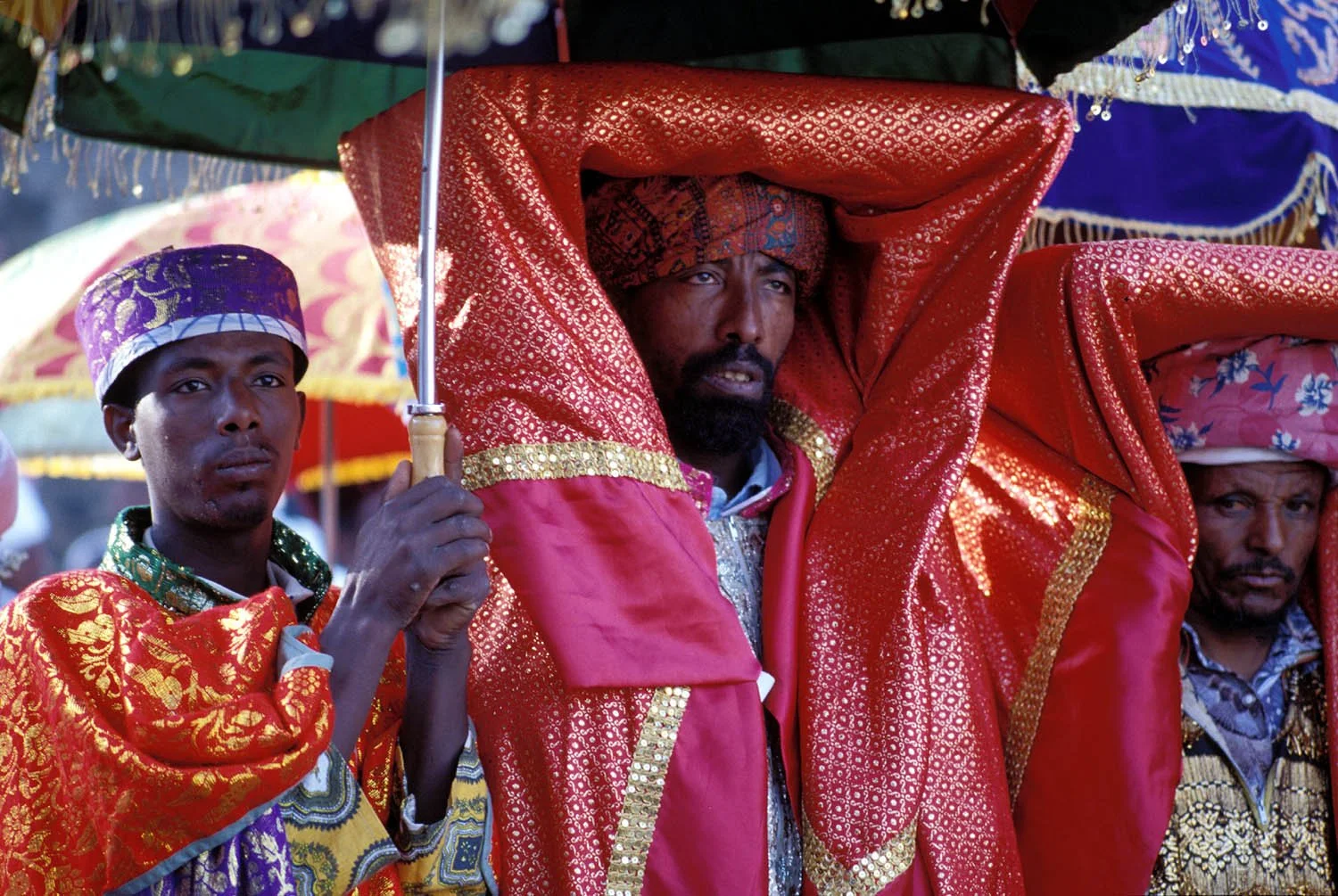

… many papers do not even bother to identify or justify the nationality of their samples…
Have you got something to say?
Check out our submissions page to find out how to write for us.
hyper-masculine gender norms are typically embedded within military institutions, and while adherence to these norms can contribute to combat and military success, they conversely make clinical work challenging
hyper-masculine gender norms are typically embedded within military institutions, and while adherence to these norms can contribute to combat and military success, they conversely make clinical work challenging
hyper-masculine gender norms are typically embedded within military institutions, and while adherence to these norms can contribute to combat and military success, they conversely make clinical work challenging

hyper-masculine gender norms are typically embedded within military institutions, and while adherence to these norms can contribute to combat and military success, they conversely make clinical work challenging

hyper-masculine gender norms are typically embedded within military institutions, and while adherence to these norms can contribute to combat and military success, they conversely make clinical work challenging

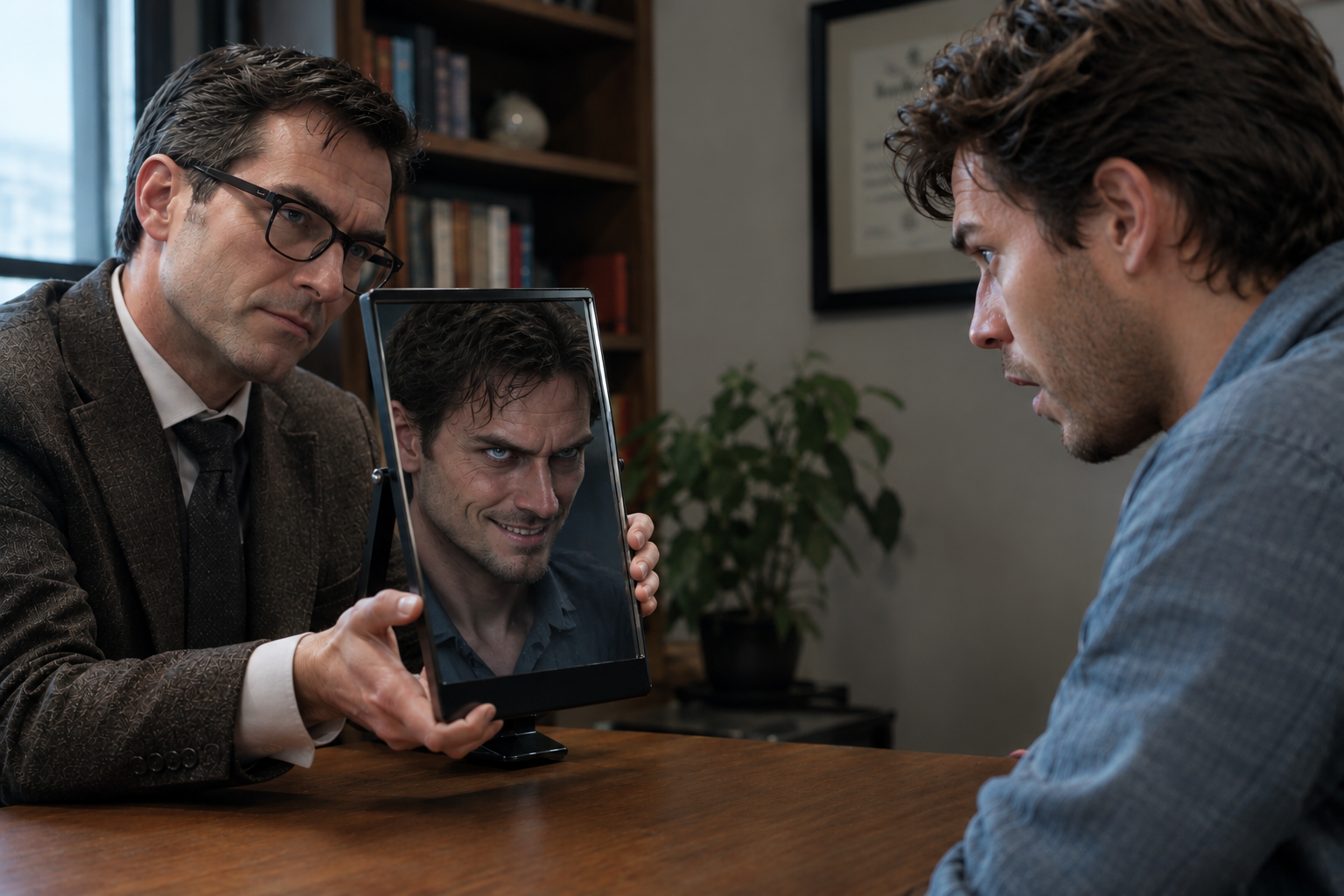
Much of our attitudes, theorizing and public debate around men and masculinity is influenced by high profile feminist and Gender Studies scholars in academia. But what is the scientific quality of publications from these scholars?

Some people blame drill music – a form of rap - for the rising murder rate in London. Drill is known for aggressive lyrics about gang violence, but rather than seeing this as a valuable way for young men to express their feelings, some people want to ban it.

To survive… cultures have to use men and women effectively and … in fact, most cultures have used men and women in different ways… what our culture does is [grant] greater status to men and greater protection to women

hyper-masculine gender norms are typically embedded within military institutions, and while adherence to these norms can contribute to combat and military success, they conversely make clinical work challenging
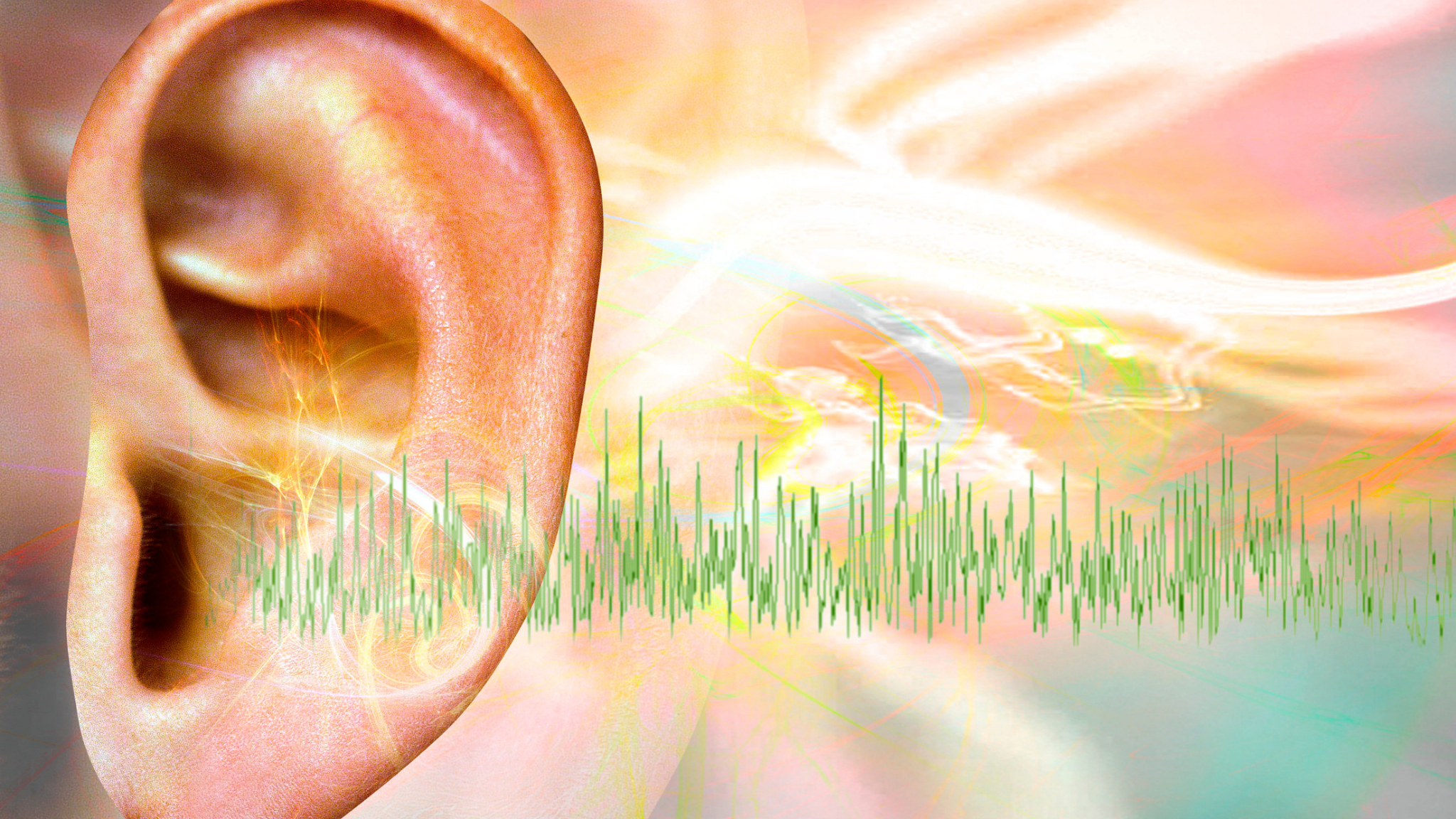
There are around 300,000 veterans living with hearing loss in the UK, according to The Royal British Legion. In addition to being at a greater risk of PTSD, depression, and anxiety, many vets are also battling psychological distress from hearing problems.
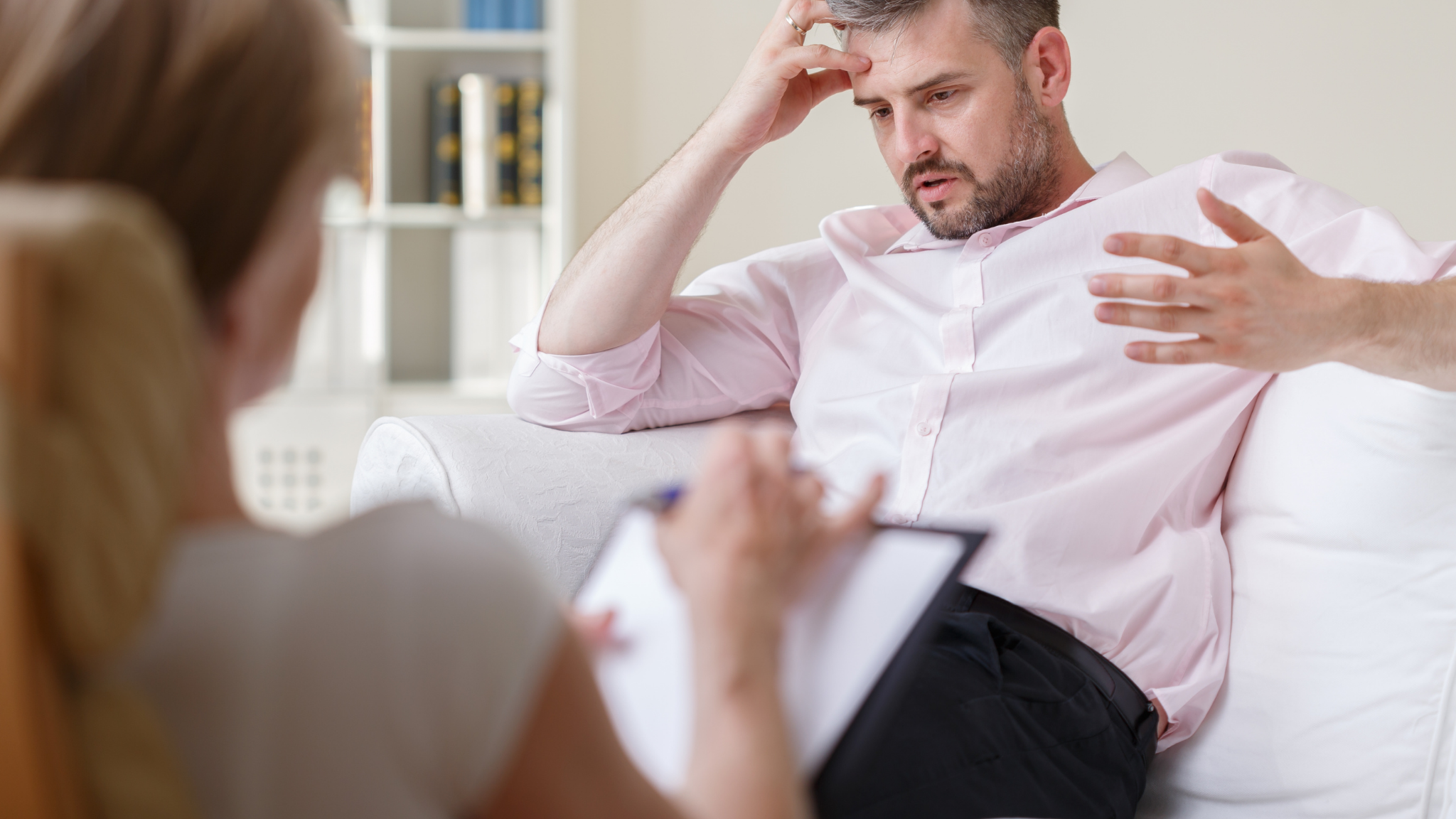
The book begins with a description of her therapeutic approach, and an illustration of how to understand and work with the rage often seen in male CSA clients.

I felt in my dealings with some police officers, as though I were treated firstly as a man (assumed to be a perpetrator), but they’d overlooked risks associated with my impairment. Example: How can you dodge a missile you don’t see coming?

The Panorama programme on domestic violence failed to adequately highlight two important issues: male victims and female perpetrators.

your photograph, name and address, might appear in the local and national press and on TV, insinuating what an evil monster you are

…an attack upon masculinity is an attack upon one’s sense of self, of identity. …What, then, is the right psychological defence against such an attack?

The male has been designed to “look”, not only at the female, but to “look out” for prey, for danger, and for ways to protect his family unit.

If his child is allowed to live, this man must be available, for the rest of his life, to love and provide for his child… If, on the other hand, it is decided that his child is to be destroyed, he should be able to go about his life as if nothing has happened
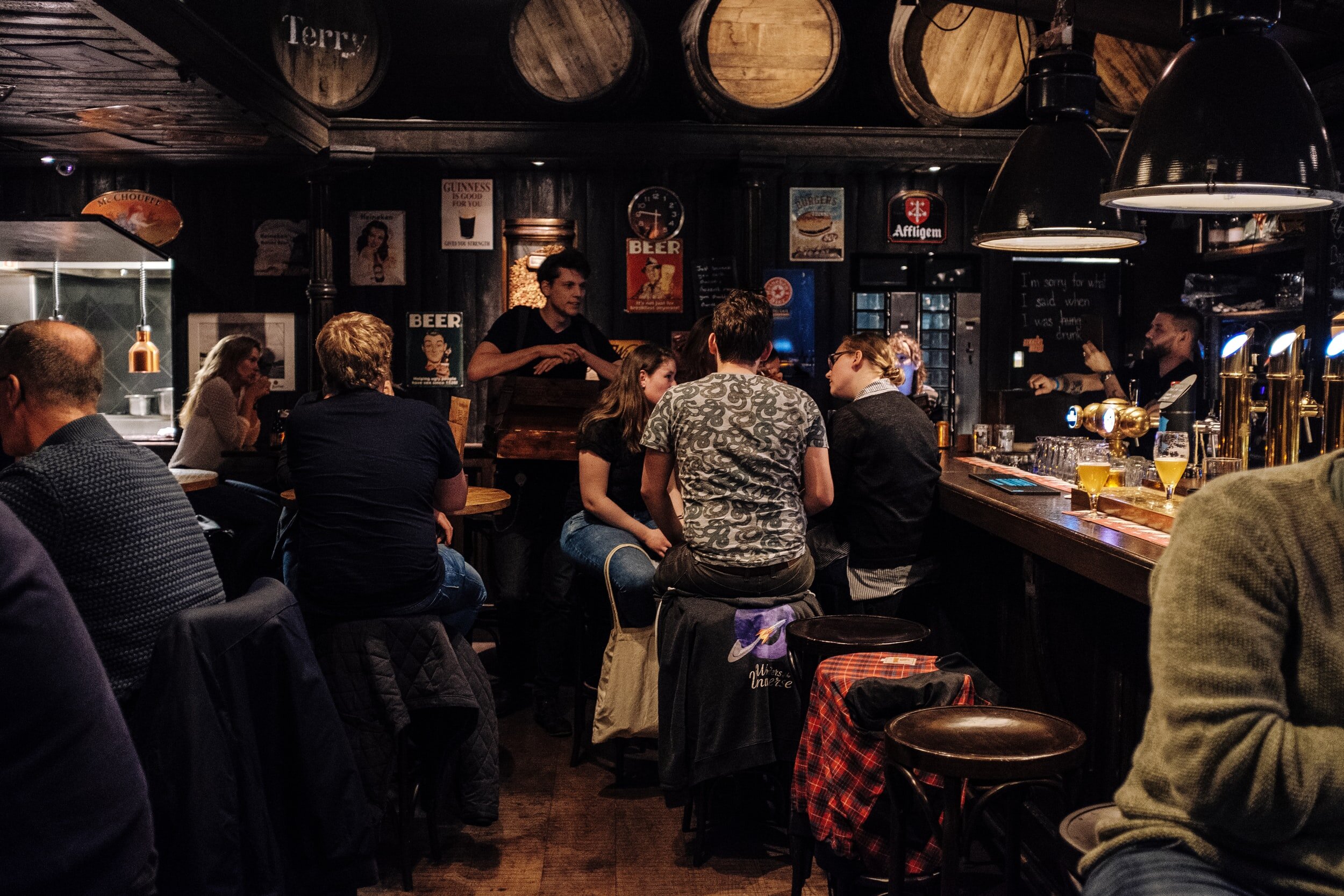
Socialising is a basic human need. The opposite – social isolation – is one of the worst forms of torture. Some people look down on the local pub as a place for undesirable riff raff, but that narrow viewpoint misses entirely the community value of the pub

Male psychology is a recent development in academia. Unlike gender studies, feminism, and men’s studies, male psychology takes the view that we can gain more by recognising and harnessing the positive aspects of masculinity than we can by taking a relentlessly negative approach to men.

.