

An interview by Dr John Barry with boxing coach Paddy Benson of Birmingham’s Pat Benson Boxing Academy.
It’s a familiar story. A young rebellious man seems out of control, always getting into conflict and looking destined for prison. Somehow he finds out about the local boxing club. Maybe it’s his last chance, or maybe it’s just a challenge he won’t refuse. But one thing leads to another and he suddenly finds that he has got something that is more important in his life than getting into trouble. Somehow or other, boxing has saved him from wasting his life.
If the NHS clinical psychology or forensic psychology services could replicate this kind of success story they would quickly recognise it as a breakthrough treatment programme. In fact some people outside boxing are starting to recognise the mental health benefits of this activity, and it just so happens that an old-school boxing club in Birmingham is leading the way. When I found out a few months ago that something called the Mind-Fit programme had won a mental health prize, I tracked down Paddy Benson of the Pat Benson Boxing Academy as quick as I could to find out more:
Barry: Congratulations Paddy on getting a prize for your wellbeing programme. What are your thoughts on your programme, and on the impact of boxing on men’s mental health?
Benson: It started after we had a guy who was from a substance abuse background. He used to train a lot, but sometimes he would go missing. We knew when he went missing he was on a relapse. One day we started chatting with him, and he opened up and said he really valued the structure and routine of the boxing training, which is why he kept coming back. That’s what he was really looking for and that kept him on the right track, away from drugs. We realised that we hadn’t given him any special treatment, but the boxing environment and routine had helped him deal with drugs. In fact of course training is a natural high, a release of endorphins.
Within about 30 mins radius there are lots of charities where we are in Birmingham, so we talked to them and put together a basic mental health package. We think that men’s mental health is a taboo subject at present, but one that will explode soon.
We evolved this programme due to feedback. We try to get the best out of everyone. Our strategy is inclusive – it’s not just for the top half-percent of boxers to win national titles. The programme is one hour per week doing bags and pads in a traditional boxing club, and participants like being coached in this real environment.
We have some specialist mentor staff, we have a social group – basically getting men to talk – and the feedback has been fantastic. We’ve had a national sporting award, and started getting funding. This is social prescribing. These guys are going to their GP but don’t necessarily need a clinical psychologist. For some people who have been using drugs or homeless, just eating fresh fruit is a new thing. The routine is the main thing.
We have worked with Nottingham Trent for a case study, but more with Brunel. Street Games provided free mental health first aid. Some of the participants get back on the straight and narrow, become mentors themselves, and even go on to university.
Barry: Are other things like martial arts just as good, or is boxing special?
Benson: Getting fit and building trust is key. Anyone will feel better. And staying away from drugs. Maybe boxing is more old school so there is a special sort of traditional aura. Our trainers have been around. This does help build trust. It’s hard to explain, but over time participants start to talk. They even start to trust themselves more when they feel more confident and healthy.
Barry: Do you think gaining meaning in life is important?
Benson: Yes, if you have been homeless or on drugs you know you are on the wrong path. When they meet us they mostly right away want to get their lives back on track. Finding an identity and purpose in life is a real achievement. They also learn to help others and give something back.
[Interview ends].
Some of the findings of my research in male psychology are things that are fairly unsurprising to most people who haven’t been steeped in the ideology of gender studies. However in these strange days when traditional masculinity is misunderstood even by psychologists in the USand UK, finding ways to help men’s mental health can sometimes be best done outside of mainstream mental health services. Important understandings about gender aren’t yet part of the psychology syllabus, for example, that when distressed, women often want to talk about their feelings whereas men would rather fix their problems. With men more likely than women to kill themselves, but less likely to seek help from a therapist, it’s my prediction that rediscovering how men have, for generations, been taking care of their mental health might benefit modern psychology. Activities like boxing might not appeal to everyone, but a pilot study by Brunel found it worked for the 24 participants on Benson’s Mind-Fit programme. Without a doubt the merit of this approach is worth further investigation.
About Paddy Benson
Paddy Benson trains in the Pat Benson Boxing Academy, a club based Birmingham’s Irish Quarter – produced the likes of champion Matthew Macklin and is currently training future world class boxers. The Academy was created to honour legendary trainer from Mayo in Ireland, Pat Benson, after he was crowned BBC Unsung Hero 2010. Pat and his grandson Paddy, a University business graduate who has also boxed for England Youth, work together in the family run club. Paddy will be giving a short presentation at the Male Psychology Conference at University College London in June.
This article was first published on the Male Psychology Network website in 2019.
Scroll down to join the discussion
Disclaimer: This article is for information purposes only and is not a substitute for therapy, legal advice, or other professional opinion. Never disregard such advice because of this article or anything else you have read from the Centre for Male Psychology. The views expressed here do not necessarily reflect those of, or are endorsed by, The Centre for Male Psychology, and we cannot be held responsible for these views. Read our full disclaimer here.
Like our articles?
Click here to subscribe to our FREE newsletter and be first
to hear about news, events, and publications.




When a male is in a power imbalance, at least two masculine instincts are disempowered…

…people – men and women alike – respond less positively to male-favouring sex differences than they do to female-favouring sex differences.
hyper-masculine gender norms are typically embedded within military institutions, and while adherence to these norms can contribute to combat and military success, they conversely make clinical work challenging
Men might benefit greatly from a government strategy aimed at improving their health. Here are suggestions from the Centre for Male Psychology on how that might be done. This article ends with some comments on potential pitfalls in the process of putting this strategy in place.



…people – men and women alike – respond less positively to male-favouring sex differences than they do to female-favouring sex differences.


… many papers do not even bother to identify or justify the nationality of their samples…

Have you got something to say?
Check out our submissions page to find out how to write for us.
hyper-masculine gender norms are typically embedded within military institutions, and while adherence to these norms can contribute to combat and military success, they conversely make clinical work challenging
hyper-masculine gender norms are typically embedded within military institutions, and while adherence to these norms can contribute to combat and military success, they conversely make clinical work challenging
hyper-masculine gender norms are typically embedded within military institutions, and while adherence to these norms can contribute to combat and military success, they conversely make clinical work challenging

hyper-masculine gender norms are typically embedded within military institutions, and while adherence to these norms can contribute to combat and military success, they conversely make clinical work challenging

hyper-masculine gender norms are typically embedded within military institutions, and while adherence to these norms can contribute to combat and military success, they conversely make clinical work challenging

Much of our attitudes, theorizing and public debate around men and masculinity is influenced by high profile feminist and Gender Studies scholars in academia. But what is the scientific quality of publications from these scholars?

Some people blame drill music – a form of rap - for the rising murder rate in London. Drill is known for aggressive lyrics about gang violence, but rather than seeing this as a valuable way for young men to express their feelings, some people want to ban it.

To survive… cultures have to use men and women effectively and … in fact, most cultures have used men and women in different ways… what our culture does is [grant] greater status to men and greater protection to women

hyper-masculine gender norms are typically embedded within military institutions, and while adherence to these norms can contribute to combat and military success, they conversely make clinical work challenging
There are around 300,000 veterans living with hearing loss in the UK, according to The Royal British Legion. In addition to being at a greater risk of PTSD, depression, and anxiety, many vets are also battling psychological distress from hearing problems.

The book begins with a description of her therapeutic approach, and an illustration of how to understand and work with the rage often seen in male CSA clients.

I felt in my dealings with some police officers, as though I were treated firstly as a man (assumed to be a perpetrator), but they’d overlooked risks associated with my impairment. Example: How can you dodge a missile you don’t see coming?

The Panorama programme on domestic violence failed to adequately highlight two important issues: male victims and female perpetrators.

your photograph, name and address, might appear in the local and national press and on TV, insinuating what an evil monster you are

…an attack upon masculinity is an attack upon one’s sense of self, of identity. …What, then, is the right psychological defence against such an attack?

The male has been designed to “look”, not only at the female, but to “look out” for prey, for danger, and for ways to protect his family unit.

If his child is allowed to live, this man must be available, for the rest of his life, to love and provide for his child… If, on the other hand, it is decided that his child is to be destroyed, he should be able to go about his life as if nothing has happened
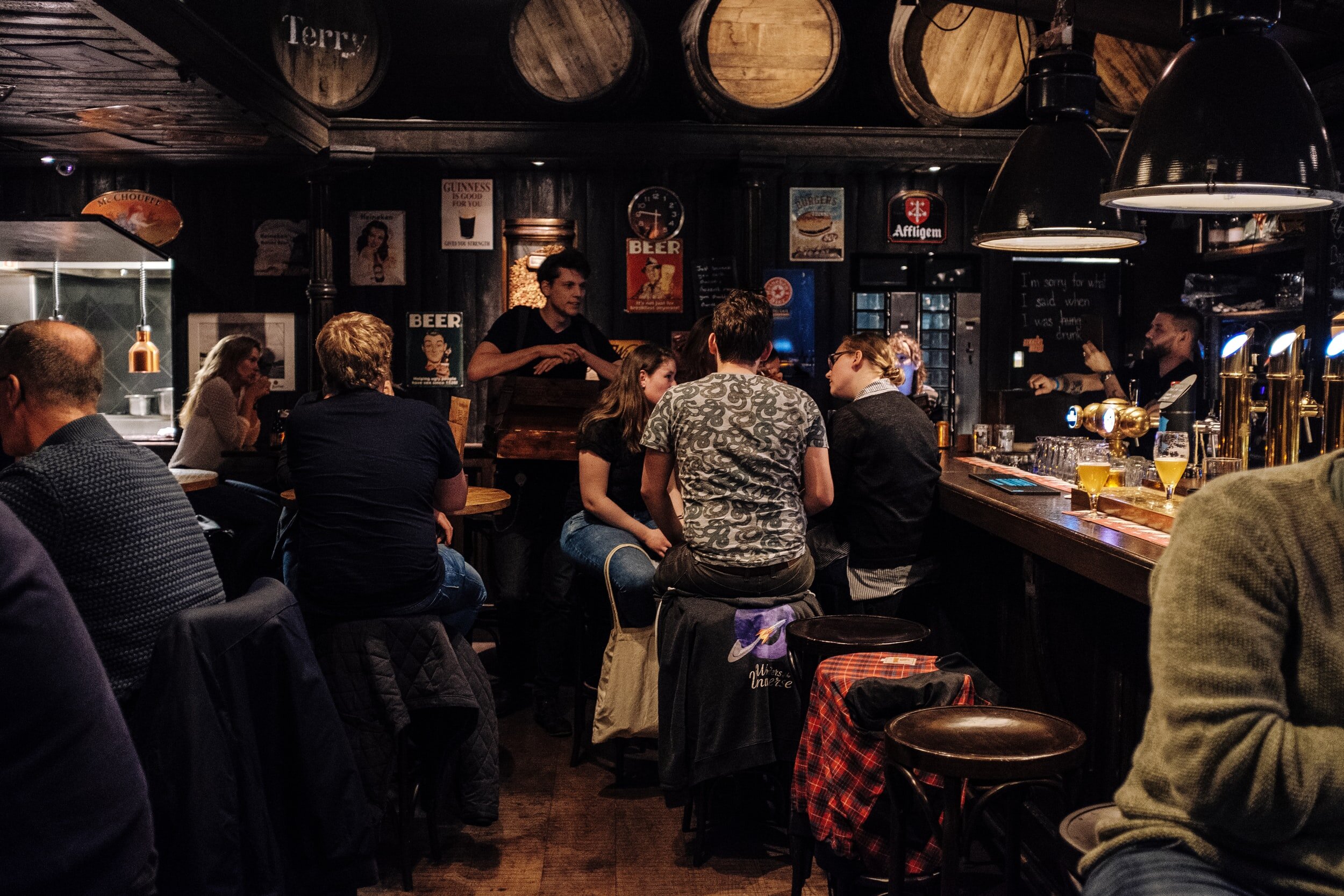
Socialising is a basic human need. The opposite – social isolation – is one of the worst forms of torture. Some people look down on the local pub as a place for undesirable riff raff, but that narrow viewpoint misses entirely the community value of the pub

Male psychology is a recent development in academia. Unlike gender studies, feminism, and men’s studies, male psychology takes the view that we can gain more by recognising and harnessing the positive aspects of masculinity than we can by taking a relentlessly negative approach to men.

.