
It’s time for a strategy for male victims of domestic violence
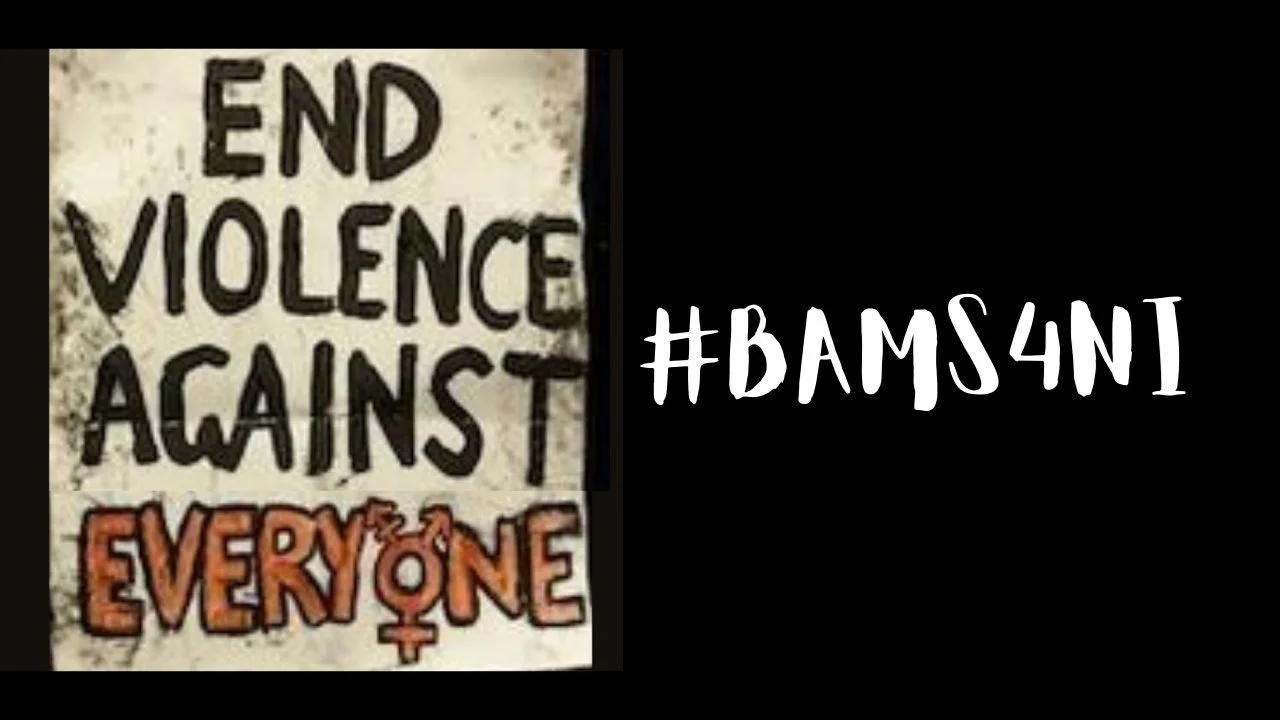
Split The Difference have launched a campaign to secure the development of strategies to tackle intimate violence experienced by boys and men throughout the UK and Ireland.
The campaign begins with a focus on the Northern Ireland Executive’s recent call for views on the development of a specific strategy to tackle violence against women and girls. We are calling on the Executive to complement this work with a male victims strategy.
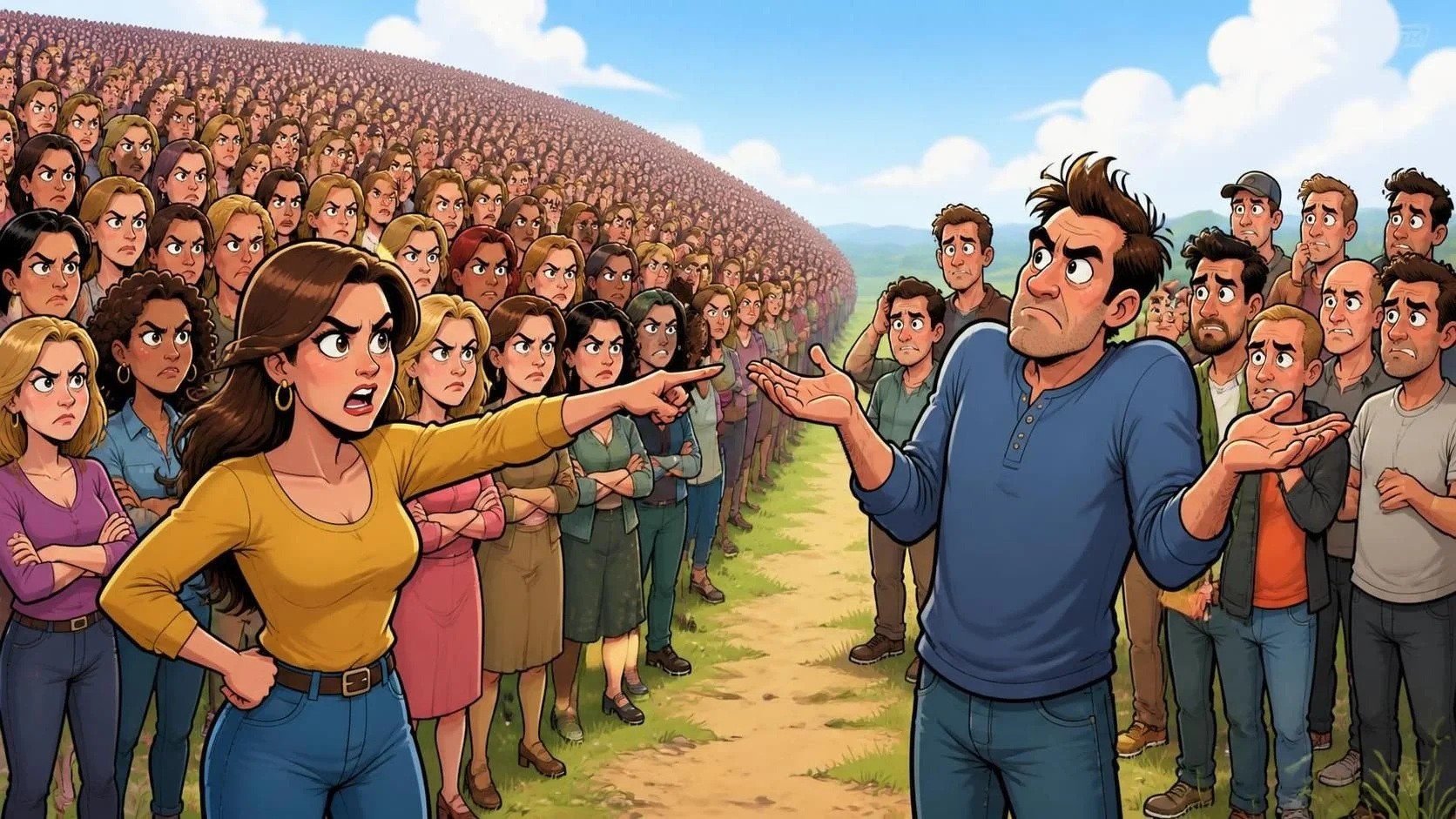
There is a significant empathy gap regarding male victims of violence generally, and intimate violence in particular. Boys and men are frequently marginalised and hidden in narratives about such crimes. One extremely stark example of this is the fact that the crimes of the most prolific rapist in UK history, all committed against men, are recorded by the Crown Prosecution Service as ‘violence against women and girls’.
Psychologists Liz Bates and Emily Douglas recently completed a review of intimate violence public policy practices and concluded that strategies such as the Home Office’s Violence Against Women and Girls Strategy (VAWG) which position intimate violence under ‘gendered’ frameworks significantly exacerbate issues for those who sit outside the male perpetrator/female victim narrative.
Evidence of barriers that male victims face in accessing help and support can be clearly evidenced both in the academic literature, and in lesser presentation of males to services, in part due to the relative lack of resources and service provision made available to them.
Male victims face stigma, stereotypes, suspicion and sex discrimination, sometimes even by the very service providers you might ordinarily expect should be offering them support and understanding.
In 2020 The Men and Boys Coalition published a position paper highlighting how ‘gendered violence’ strategies cause the marginalisation and invisibilisation of male victims, and happily the direction of travel is very much moving towards male specific strategies.
Last year the Victims’ Commissioner for England and Wales, Vera Baird, stated that “The Home Office needs to offer a separate strategy for developing the rights and support services for men and boys who are victims of interpersonal violence of a physical or sexual nature”.
Meanwhile in Scotland, the governing party, the SNP, included a commitment in their election manifesto to: “Fund resources for services which support men who are victims of rape and domestic abuse, and establish a national strategy on ending intimate and sexual violence against men and boys.
Northern Ireland is the only one of the four UK nations which does not currently have a specific gendered strategy for addressing Violence Against Women and Girls (VAWG). Last year, they committed to develop one in the immediate aftermath of the murder of Sarah Everard.
We are calling on them to also commit to a male victims strategy and have highlighted a number of ways that their supposedly ‘gender neutral’ approach can often be gender neutral in name only to the significant detriment of male victims.
For all of the reasons outlined above, we believe that the development of specific strategies to support boys and men is long overdue.
The time is right for change. Find out how you can support our campaign.
Scroll down to join the discussion
Disclaimer: This article is for information purposes only and is not a substitute for therapy, legal advice, or other professional opinion. Never disregard such advice because of this article or anything else you have read from the Centre for Male Psychology. The views expressed here do not necessarily reflect those of, or are endorsed by, The Centre for Male Psychology, and we cannot be held responsible for these views. Read our full disclaimer here.
Like our articles?
Click here to subscribe to our FREE newsletter and be first
to hear about news, events, and publications.





When a male is in a power imbalance, at least two masculine instincts are disempowered…


…people – men and women alike – respond less positively to male-favouring sex differences than they do to female-favouring sex differences.
hyper-masculine gender norms are typically embedded within military institutions, and while adherence to these norms can contribute to combat and military success, they conversely make clinical work challenging
Men might benefit greatly from a government strategy aimed at improving their health. Here are suggestions from the Centre for Male Psychology on how that might be done. This article ends with some comments on potential pitfalls in the process of putting this strategy in place.



…people – men and women alike – respond less positively to male-favouring sex differences than they do to female-favouring sex differences.


… many papers do not even bother to identify or justify the nationality of their samples…

hyper-masculine gender norms are typically embedded within military institutions, and while adherence to these norms can contribute to combat and military success, they conversely make clinical work challenging

Have you got something to say?
Check out our submissions page to find out how to write for us.
hyper-masculine gender norms are typically embedded within military institutions, and while adherence to these norms can contribute to combat and military success, they conversely make clinical work challenging
hyper-masculine gender norms are typically embedded within military institutions, and while adherence to these norms can contribute to combat and military success, they conversely make clinical work challenging
hyper-masculine gender norms are typically embedded within military institutions, and while adherence to these norms can contribute to combat and military success, they conversely make clinical work challenging

hyper-masculine gender norms are typically embedded within military institutions, and while adherence to these norms can contribute to combat and military success, they conversely make clinical work challenging

hyper-masculine gender norms are typically embedded within military institutions, and while adherence to these norms can contribute to combat and military success, they conversely make clinical work challenging

Much of our attitudes, theorizing and public debate around men and masculinity is influenced by high profile feminist and Gender Studies scholars in academia. But what is the scientific quality of publications from these scholars?

Some people blame drill music – a form of rap - for the rising murder rate in London. Drill is known for aggressive lyrics about gang violence, but rather than seeing this as a valuable way for young men to express their feelings, some people want to ban it.

To survive… cultures have to use men and women effectively and … in fact, most cultures have used men and women in different ways… what our culture does is [grant] greater status to men and greater protection to women

hyper-masculine gender norms are typically embedded within military institutions, and while adherence to these norms can contribute to combat and military success, they conversely make clinical work challenging

There are around 300,000 veterans living with hearing loss in the UK, according to The Royal British Legion. In addition to being at a greater risk of PTSD, depression, and anxiety, many vets are also battling psychological distress from hearing problems.

The book begins with a description of her therapeutic approach, and an illustration of how to understand and work with the rage often seen in male CSA clients.

I felt in my dealings with some police officers, as though I were treated firstly as a man (assumed to be a perpetrator), but they’d overlooked risks associated with my impairment. Example: How can you dodge a missile you don’t see coming?

The Panorama programme on domestic violence failed to adequately highlight two important issues: male victims and female perpetrators.

your photograph, name and address, might appear in the local and national press and on TV, insinuating what an evil monster you are

…an attack upon masculinity is an attack upon one’s sense of self, of identity. …What, then, is the right psychological defence against such an attack?

The male has been designed to “look”, not only at the female, but to “look out” for prey, for danger, and for ways to protect his family unit.

If his child is allowed to live, this man must be available, for the rest of his life, to love and provide for his child… If, on the other hand, it is decided that his child is to be destroyed, he should be able to go about his life as if nothing has happened
Socialising is a basic human need. The opposite – social isolation – is one of the worst forms of torture. Some people look down on the local pub as a place for undesirable riff raff, but that narrow viewpoint misses entirely the community value of the pub

Male psychology is a recent development in academia. Unlike gender studies, feminism, and men’s studies, male psychology takes the view that we can gain more by recognising and harnessing the positive aspects of masculinity than we can by taking a relentlessly negative approach to men.

.
Sally-Anne Burris - CEO of Split The Difference