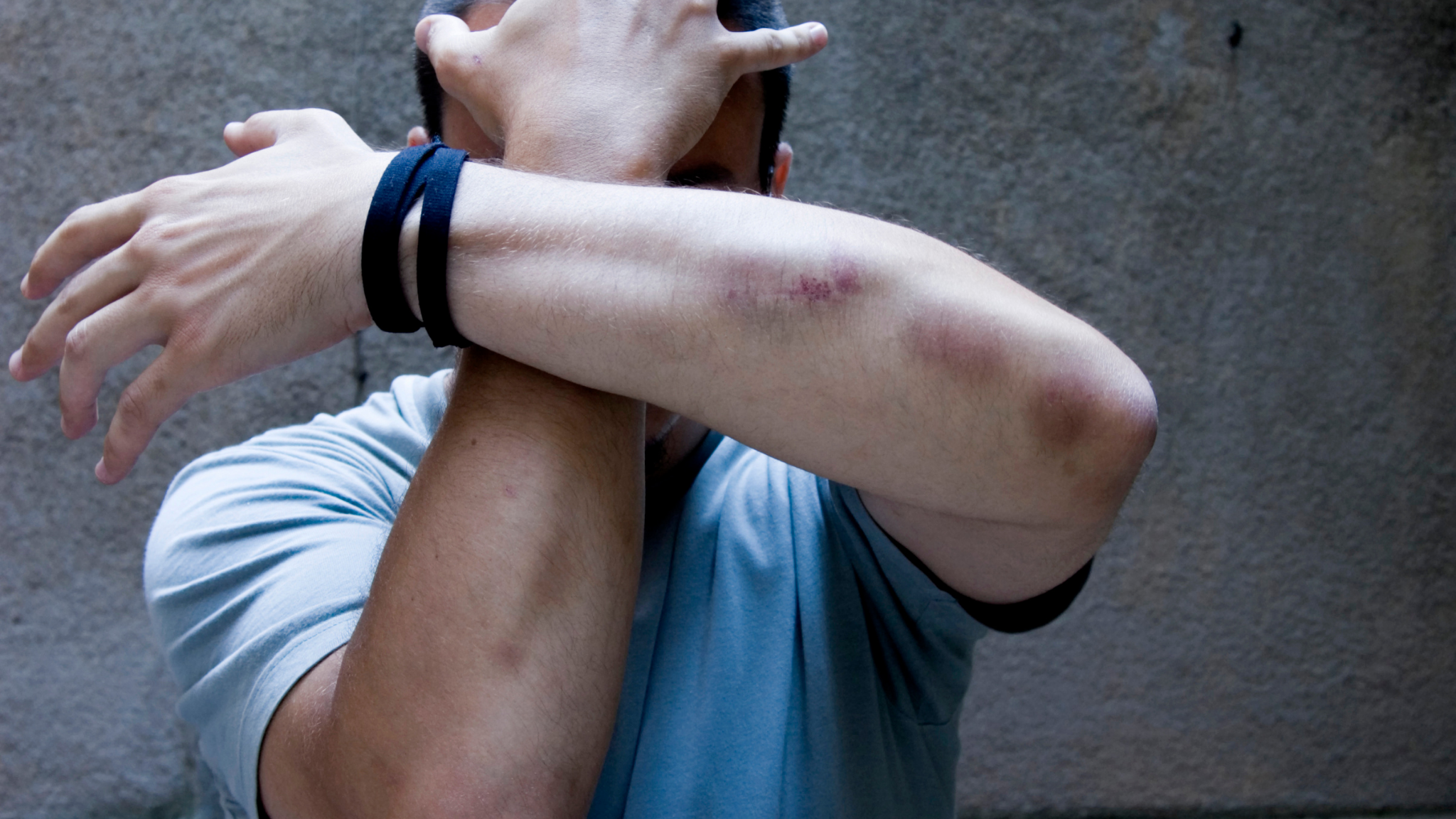
Domestic abuse is a public health issue that impacts men too
This article was originally published in Spanish in “El Mundo”
In April 2018, I presented a written question to the European Commission on male victims of domestic abuse, in light of the scarce attention they met in the European Programmes of assistance and prevention. In her response, the European Commissioner of Justice, Consumers and Gender Equality Ms Vera Jourova, recognized that “men and women can also be victims of gender violence”, but justified the current bias in European policies with the fact that “the immense majority of victims of gender violence are women and girls”.
The explanation did not satisfy me. On one hand, it is problematic that the Commissioner founded the EU official position on a survey that deals with violence against one sex only. On the other hand, it contrasts with available scientific evidence, according to which, men, and of course boys and adolescents, also suffer domestic abuse –including sexual abuse– in a way that is far from trivial.
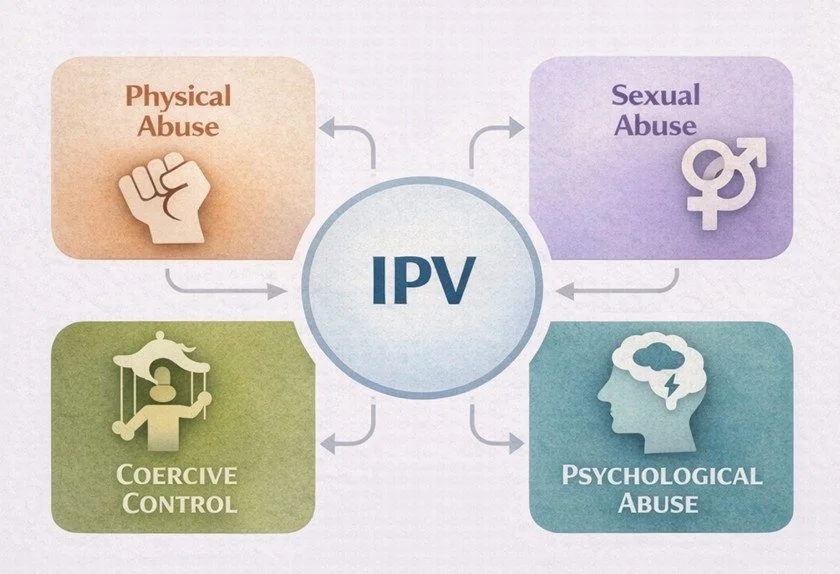
Since the 1970’s, several studies and meta-analyses (studies of studies) consistently show that there are male victims and female aggressors in the domestic sphere. This work is based on confidential and anonymous surveys administered to different population groups, including students, clinical and community samples. Using this methodology, researchers try to minimize the bias of police and hospital records, which usually –according to experts– tend to underestimate male victimization. This methodology, of course, has its own limitations (such as the danger of underestimating the prevalence of aggressions), but some basic conclusions are stronger year after year, and decade after decade: women tend to use physical violence against their partners in a similar proportion to men, according to the summary by Medeiros and Strauss (2016). Men are not exempt from severe aggression, though it is clear that more women are killed by their intimate partners than men are.
These basic conclusions converge with a new international study that I presented in the European Parliament last week –it will be soon be published online in the Forum Euromind website, about the intimate-partner violence impact on men and children. This study is authored by Joaquim Soares, Emeritus Professor of Mid Sweden University, and Professor Nicola Graham-Kevan, expert in forensic psychology in the University of Central Lancashire. Both researchers have an important academic curriculum in relation to domestic abuse, including research projects financed by the European Commission, like DOVE. The research of Professor Soares, based on the evaluation of 153 studies from 54 countries about victims, and 151 studies from 44 countries about perpetrators (both men and women), support previous evidence, showing only modest sex differences in average perpetration and victimization associated with intimate-partner violence. This general symmetry in aggression holds, according to the same study, across the different “world regions” analysed: Africa, Europe/Caucasus, Asia/Pacific, Latin-America/Caribbean, Middle East and English-speaking industrialized countries. More research is needed to refine our understanding of these findings, but to achieve this goal there is a need to remove unnecessary obstacles to research, and an increase in financial resources.
As regard to the impact of intimate-partner violence on children, studied by Professor Graham-Kevan, and based on results of 14 studies from 2009 to 2018, the conclusion is that both boys and girls are adversely affected, through different health dimensions, irrespective of the abuser’s gender. This is inconsistent with the current EU and UN focus on “women & girls”. The same author notes the lack of empirical studies on domestic abuse specifically committed by mothers against fathers, a constraint that, maybe, is hiding the real impact of this type of aggression on children.
Another participant in the EU Parliament’s event was the young researcher Marta Iglesias, an expert in female aggression, post-doctoral fellow in Lisbon and active science commentator (she is also the first Spanish author to be published in the digital magazine Quillette). Iglesias lectured on the evolutionary basis behind female aggression, a more indirect type of aggression compared to that of males, but far from “non-existent or harmless”. The fact that a significant part of violence against women is committed by other women, like harassment in school or in the workplace, should be of more concern to us as a legitimate subject of study than it currently is, according to Iglesias.
It is time to deal with domestic abuse between the sexes as a public health issue, with scientific evidence as the basis. Listening to researchers, and not only recognizing the complex and multifactorial nature of the issues –something that the Spanish programmes to detect “homicide risk” in gender-based crimes are beginning to take into account– but also promoting participation and dialogue between all stakeholders in society, is what is needed.
It is also time to expand our empathy toward men and boys. Particularly in a world where male suffering is harder to appreciate, and where most of people naturally tend to “favour policies that benefit women”, as social psychologist Tania Reynolds recently has explained. These evolutionary-based predispositions are maintained across different cultures and could be a “human universal”, but they could also constitute what evolutionary psychologists call a “mismatch” between our ancient, less socially complex, and evolved traits and the new global societies that celebrate equality and cooperation.
Taking into consideration female aggression and male victimization does not harm women’s rights and does not pose a genuine threat to gender equality. Quite the opposite. Male and female violence are more often intertwined in the domestic sphere, including its unfortunate impact on children’s wellbeing.
We need a policy based on evidence, not ideology. With a more compassionate, collaborative and efficient approach to protect our wellbeing, health and security. We owe that to our families, friends and citizens.
This article was first published on the Male Psychology Network website in 2018
Scroll down to join the discussion
Disclaimer: This article is for information purposes only and is not a substitute for therapy, legal advice, or other professional opinion. Never disregard such advice because of this article or anything else you have read from the Centre for Male Psychology. The views expressed here do not necessarily reflect those of, or are endorsed by, The Centre for Male Psychology, and we cannot be held responsible for these views. Read our full disclaimer here.
Like our articles?
Click here to subscribe to our FREE newsletter and be first
to hear about news, events, and publications.

When a male is in a power imbalance, at least two masculine instincts are disempowered…
…people – men and women alike – respond less positively to male-favouring sex differences than they do to female-favouring sex differences.
hyper-masculine gender norms are typically embedded within military institutions, and while adherence to these norms can contribute to combat and military success, they conversely make clinical work challenging
Men might benefit greatly from a government strategy aimed at improving their health. Here are suggestions from the Centre for Male Psychology on how that might be done. This article ends with some comments on potential pitfalls in the process of putting this strategy in place.
…people – men and women alike – respond less positively to male-favouring sex differences than they do to female-favouring sex differences.

… many papers do not even bother to identify or justify the nationality of their samples…
hyper-masculine gender norms are typically embedded within military institutions, and while adherence to these norms can contribute to combat and military success, they conversely make clinical work challenging
Have you got something to say?
Check out our submissions page to find out how to write for us.
hyper-masculine gender norms are typically embedded within military institutions, and while adherence to these norms can contribute to combat and military success, they conversely make clinical work challenging
hyper-masculine gender norms are typically embedded within military institutions, and while adherence to these norms can contribute to combat and military success, they conversely make clinical work challenging
hyper-masculine gender norms are typically embedded within military institutions, and while adherence to these norms can contribute to combat and military success, they conversely make clinical work challenging

hyper-masculine gender norms are typically embedded within military institutions, and while adherence to these norms can contribute to combat and military success, they conversely make clinical work challenging

hyper-masculine gender norms are typically embedded within military institutions, and while adherence to these norms can contribute to combat and military success, they conversely make clinical work challenging

Much of our attitudes, theorizing and public debate around men and masculinity is influenced by high profile feminist and Gender Studies scholars in academia. But what is the scientific quality of publications from these scholars?

Some people blame drill music – a form of rap - for the rising murder rate in London. Drill is known for aggressive lyrics about gang violence, but rather than seeing this as a valuable way for young men to express their feelings, some people want to ban it.

To survive… cultures have to use men and women effectively and … in fact, most cultures have used men and women in different ways… what our culture does is [grant] greater status to men and greater protection to women

hyper-masculine gender norms are typically embedded within military institutions, and while adherence to these norms can contribute to combat and military success, they conversely make clinical work challenging
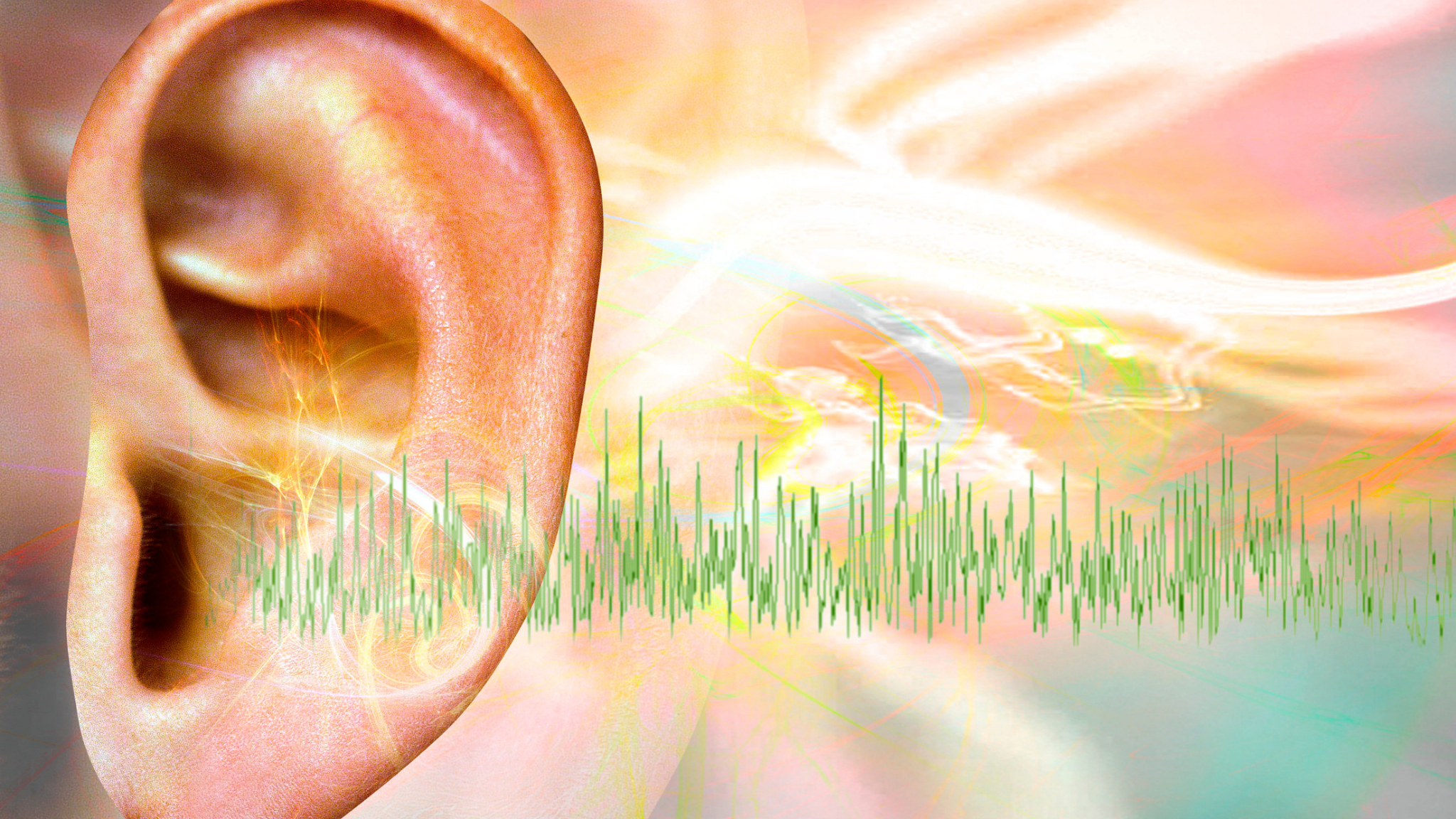
There are around 300,000 veterans living with hearing loss in the UK, according to The Royal British Legion. In addition to being at a greater risk of PTSD, depression, and anxiety, many vets are also battling psychological distress from hearing problems.
The book begins with a description of her therapeutic approach, and an illustration of how to understand and work with the rage often seen in male CSA clients.
I felt in my dealings with some police officers, as though I were treated firstly as a man (assumed to be a perpetrator), but they’d overlooked risks associated with my impairment. Example: How can you dodge a missile you don’t see coming?

The Panorama programme on domestic violence failed to adequately highlight two important issues: male victims and female perpetrators.

your photograph, name and address, might appear in the local and national press and on TV, insinuating what an evil monster you are

…an attack upon masculinity is an attack upon one’s sense of self, of identity. …What, then, is the right psychological defence against such an attack?

The male has been designed to “look”, not only at the female, but to “look out” for prey, for danger, and for ways to protect his family unit.

If his child is allowed to live, this man must be available, for the rest of his life, to love and provide for his child… If, on the other hand, it is decided that his child is to be destroyed, he should be able to go about his life as if nothing has happened
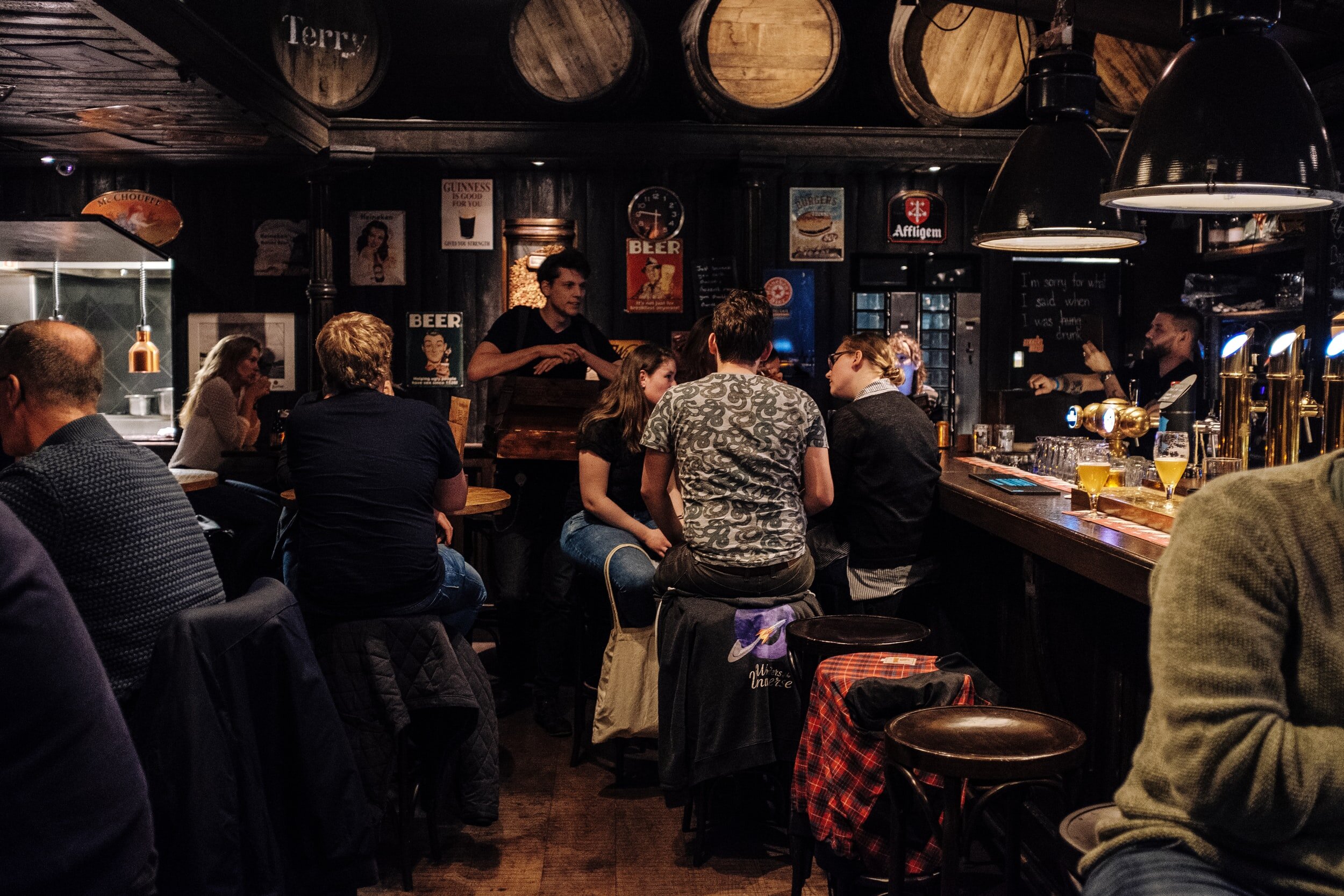
Socialising is a basic human need. The opposite – social isolation – is one of the worst forms of torture. Some people look down on the local pub as a place for undesirable riff raff, but that narrow viewpoint misses entirely the community value of the pub

Male psychology is a recent development in academia. Unlike gender studies, feminism, and men’s studies, male psychology takes the view that we can gain more by recognising and harnessing the positive aspects of masculinity than we can by taking a relentlessly negative approach to men.

.
Teresa Giménez Barbat is a Member of the European Parliament, anthropologist and writer.