Are men being discriminated against in the science workplace?

Many people today presume that women are discriminated against in the workplace in various ways. This is not surprising given the steady stream of information from the gender equality industry appearing to support this view. However the reality today is that gender equality schemes that promote women’s careers in science related jobs, and other fields, are the norm.
For example, when it started in the UK in 2005, Athena SWAN was concerned only with promoting the careers of women in science, technology and engineering careers (STE). It then went on to include mathematics (STEM), medicine (STEMM) and now covers the entire range of academic subjects, and is extending internationally. With this in mind it seems a bit harsh that “a senior scientist at CERN has been suspended after suggesting female physicists were given jobs based on their gender”.
The reality is that, at least in recent years, women have never had it so good when it comes to getting jobs in the STEM workplace. What is the evidence for this? Well, there is the excellent paper produced by Ceci and colleagues at Cornell University. Published in the highest ranking psychology journal that I know of (impact factor of 19.228), it is 67 pages exploring a whole range of questions about the position of women in academia – from explanations for innate abilities based on prenatal testosterone levels, to whether better male networks explain male’s higher rate of publication. They conclude that: “…invitations to interview for tenure-track positions in math-intensive fields—as well as actual employment offers—reveal that female PhD applicants fare at least as well as their male counterparts in math-intensive fields” (Ceci et al 2014, p.75). Just take a look at Table 1 (below), and compare the percentage of women who applied for STEM jobs to the percentage who were offered the job.

There might be strongly voiced reasons as to why women should have schemes that promote their careers in STEM, but if we know that women’s careers are being put first because of their gender, then why suspend a man who points this out? It reminds me of The Clash lyric:
“You have the right to free speech, as long as you’re not dumb enough to actually try it”.
What kind of world have we created when people cannot state the obvious without being punished for it?
This article was first published on the Male Psychology Network website in 2018
Scroll down to join the discussion
Disclaimer: This article is for information purposes only and is not a substitute for therapy, legal advice, or other professional opinion. Never disregard such advice because of this article or anything else you have read from the Centre for Male Psychology. The views expressed here do not necessarily reflect those of, or are endorsed by, The Centre for Male Psychology, and we cannot be held responsible for these views. Read our full disclaimer here.
Like our articles?
Click here to subscribe to our FREE newsletter and be first
to hear about news, events, and publications.


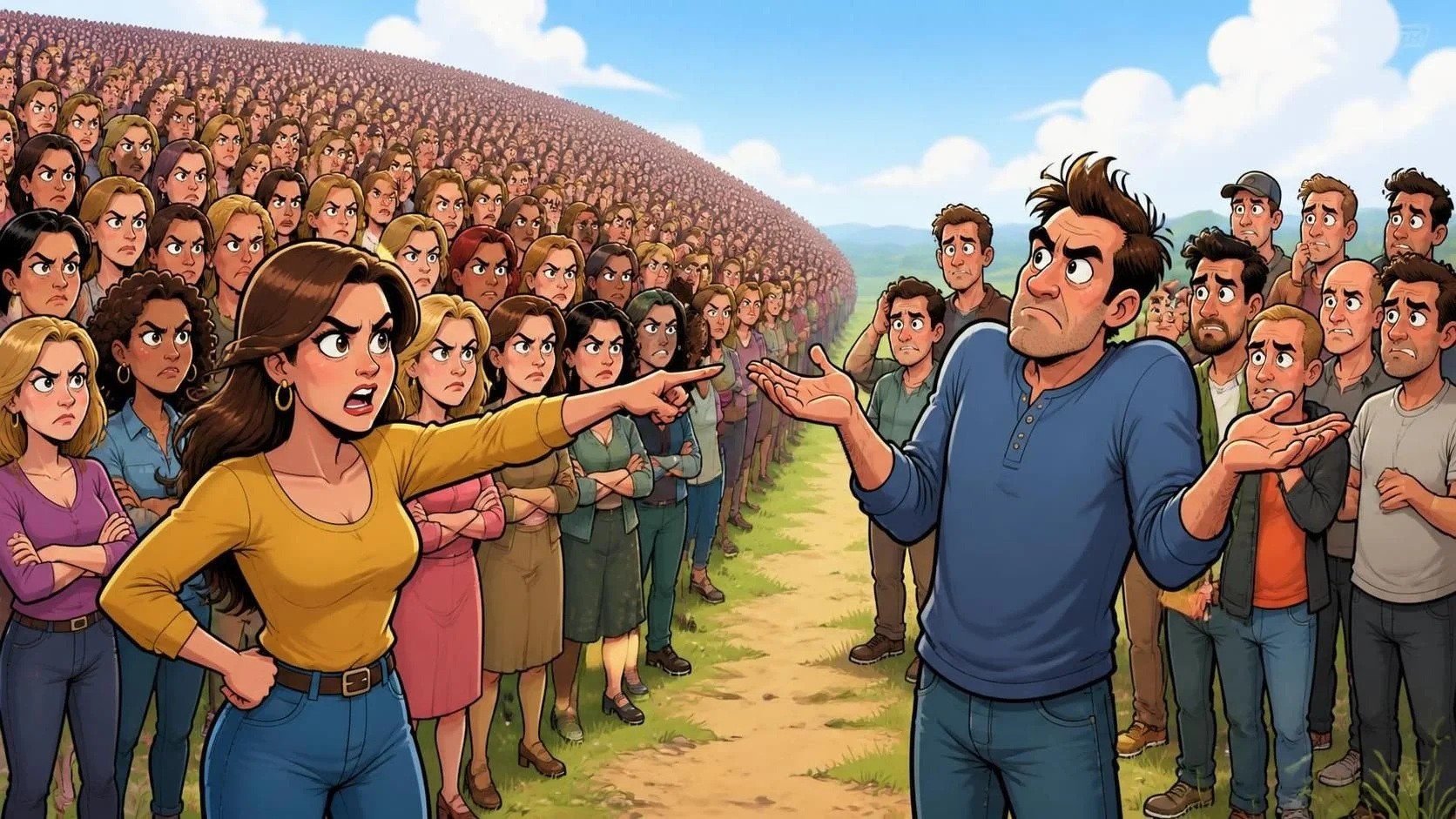




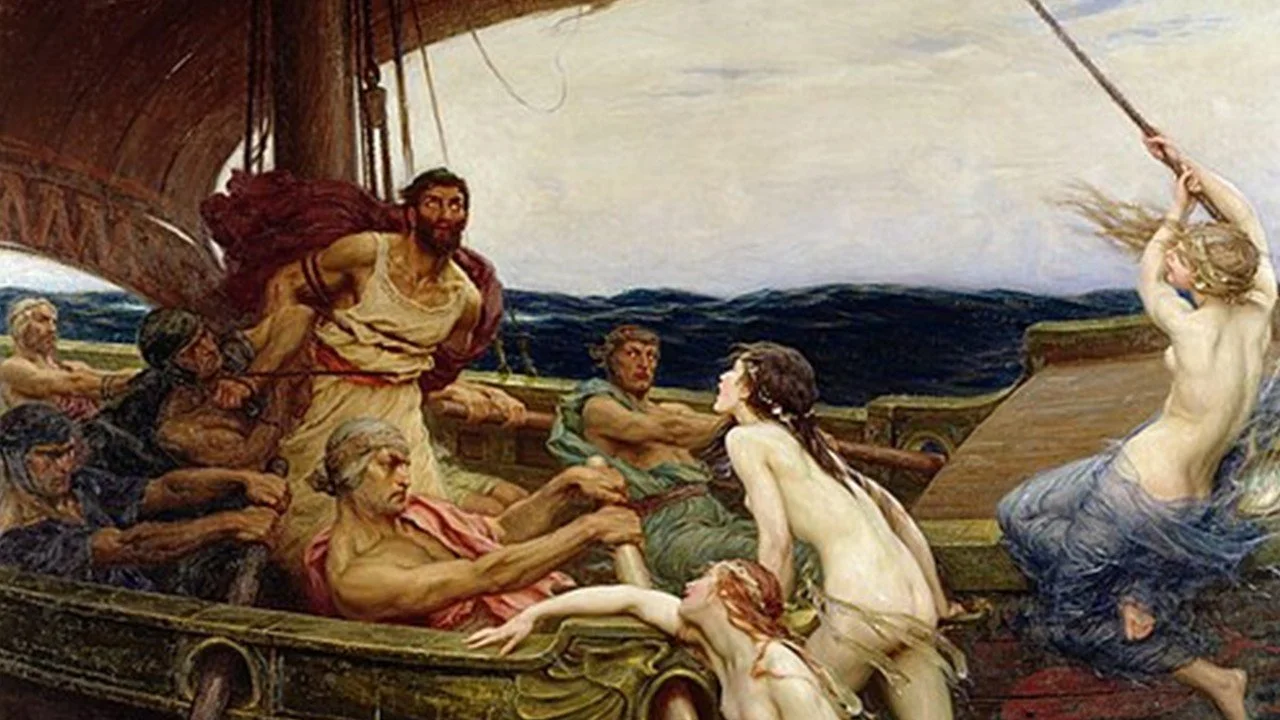

When a male is in a power imbalance, at least two masculine instincts are disempowered…

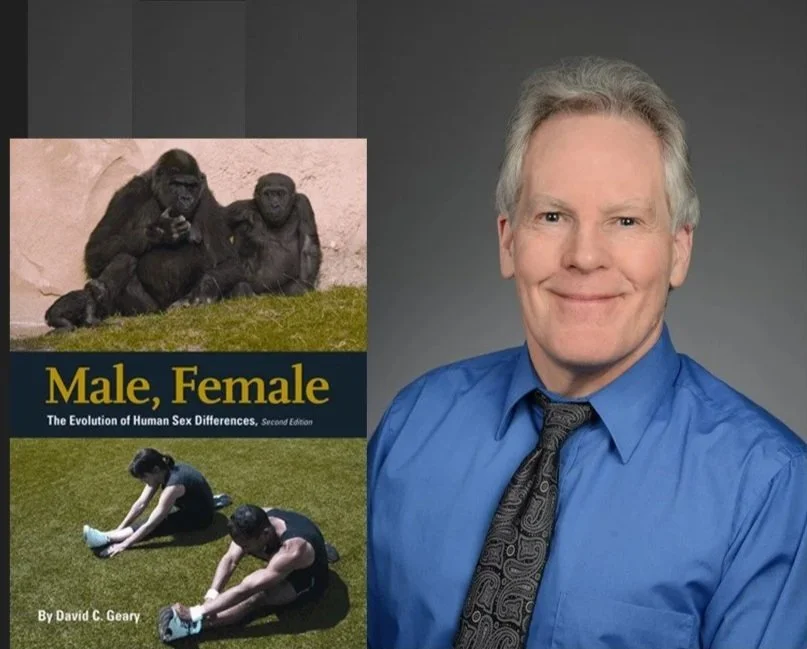
…people – men and women alike – respond less positively to male-favouring sex differences than they do to female-favouring sex differences.
hyper-masculine gender norms are typically embedded within military institutions, and while adherence to these norms can contribute to combat and military success, they conversely make clinical work challenging
Men might benefit greatly from a government strategy aimed at improving their health. Here are suggestions from the Centre for Male Psychology on how that might be done. This article ends with some comments on potential pitfalls in the process of putting this strategy in place.




…people – men and women alike – respond less positively to male-favouring sex differences than they do to female-favouring sex differences.



… many papers do not even bother to identify or justify the nationality of their samples…


hyper-masculine gender norms are typically embedded within military institutions, and while adherence to these norms can contribute to combat and military success, they conversely make clinical work challenging


Have you got something to say?
Check out our submissions page to find out how to write for us.
hyper-masculine gender norms are typically embedded within military institutions, and while adherence to these norms can contribute to combat and military success, they conversely make clinical work challenging

hyper-masculine gender norms are typically embedded within military institutions, and while adherence to these norms can contribute to combat and military success, they conversely make clinical work challenging
hyper-masculine gender norms are typically embedded within military institutions, and while adherence to these norms can contribute to combat and military success, they conversely make clinical work challenging

hyper-masculine gender norms are typically embedded within military institutions, and while adherence to these norms can contribute to combat and military success, they conversely make clinical work challenging

hyper-masculine gender norms are typically embedded within military institutions, and while adherence to these norms can contribute to combat and military success, they conversely make clinical work challenging

Much of our attitudes, theorizing and public debate around men and masculinity is influenced by high profile feminist and Gender Studies scholars in academia. But what is the scientific quality of publications from these scholars?

Some people blame drill music – a form of rap - for the rising murder rate in London. Drill is known for aggressive lyrics about gang violence, but rather than seeing this as a valuable way for young men to express their feelings, some people want to ban it.

To survive… cultures have to use men and women effectively and … in fact, most cultures have used men and women in different ways… what our culture does is [grant] greater status to men and greater protection to women

hyper-masculine gender norms are typically embedded within military institutions, and while adherence to these norms can contribute to combat and military success, they conversely make clinical work challenging

There are around 300,000 veterans living with hearing loss in the UK, according to The Royal British Legion. In addition to being at a greater risk of PTSD, depression, and anxiety, many vets are also battling psychological distress from hearing problems.

The book begins with a description of her therapeutic approach, and an illustration of how to understand and work with the rage often seen in male CSA clients.

I felt in my dealings with some police officers, as though I were treated firstly as a man (assumed to be a perpetrator), but they’d overlooked risks associated with my impairment. Example: How can you dodge a missile you don’t see coming?

The Panorama programme on domestic violence failed to adequately highlight two important issues: male victims and female perpetrators.

your photograph, name and address, might appear in the local and national press and on TV, insinuating what an evil monster you are

…an attack upon masculinity is an attack upon one’s sense of self, of identity. …What, then, is the right psychological defence against such an attack?

The male has been designed to “look”, not only at the female, but to “look out” for prey, for danger, and for ways to protect his family unit.

If his child is allowed to live, this man must be available, for the rest of his life, to love and provide for his child… If, on the other hand, it is decided that his child is to be destroyed, he should be able to go about his life as if nothing has happened

Socialising is a basic human need. The opposite – social isolation – is one of the worst forms of torture. Some people look down on the local pub as a place for undesirable riff raff, but that narrow viewpoint misses entirely the community value of the pub

Male psychology is a recent development in academia. Unlike gender studies, feminism, and men’s studies, male psychology takes the view that we can gain more by recognising and harnessing the positive aspects of masculinity than we can by taking a relentlessly negative approach to men.

.
 John Barry
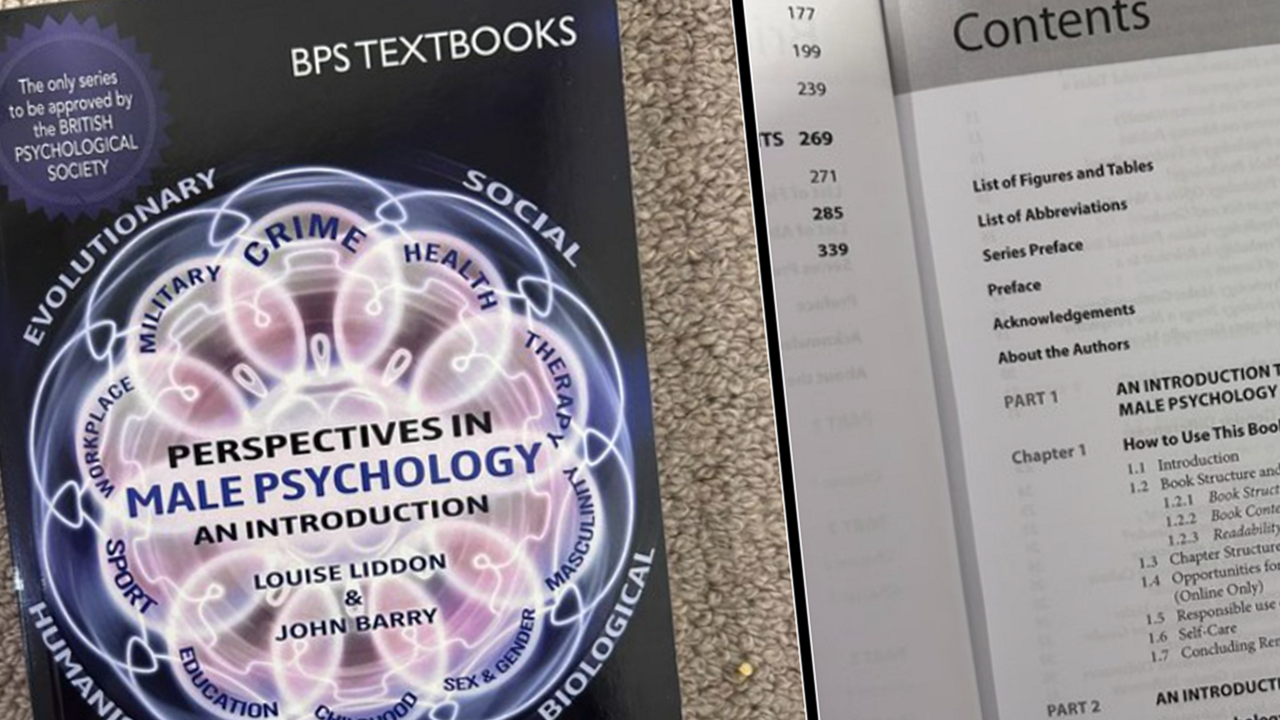
Dr John Barry is a chartered psychologist, researcher, clinical hypnotherapist and co-founder of the Male Psychology Network, BPS Male Psychology Section, and The Centre for Male Psychology (CMP). Also co-editor of the Palgrave Handbook of Male Psychology & Mental Health, co-author of the textbook Perspectives in Male Psychology: An Introduction (Wiley), and presenter on Centre for Male Psychology training courses.