
Reflections on themes from the Male Psychology Conference, 2018

The fifth annual Male Psychology Conference took place at University College London in June, hosted by the Male Psychology Network’s founders, Dr John Barry and Martin Seager. The conference brought together researchers and practitioners seeking to understand male psychology and work with men to improve health and wellbeing.
Attending the conference was inspirational. It made us aware of how many people, male and female, are passionately conducting research specifically on male psychology, working in practice to improve wellbeing in men, and developing programmes and interventions to benefit men and boys.
Many presenters highlighted possibly the greatest challenge facing male psychology researchers and practitioners working with men – male suicide. The fact that suicide is the biggest killer of men under 45 was highlighted by a number of presenters. Joel Beckman from CALM (Campaign Against Living Miserably, dedicated to tackling male suicide) discussed CALM’s gendered service run by clinically trained staff. This service is designed to help men feel there is someone they can talk to and relate to. He also presented some of CALM’s campaigns which raise awareness of the magnitude and impact of male suicide. It is estimated that eighty-four men are victims of suicide every week in the UK, yet awareness of this has been limited.
Take a look at CALM’s powerful ‘Project Eighty Four’ campaign here: https://www.youtube.com/watch?time_continue=21&v=ahjPfpbefkU
There was also discussion of work being done on the causes of male suicide and how best to prevent it. Glen Poole (Men’s Health Forum, Australia) argued that social and relationship problems are often key pathways to suicide in men, but the common model relies on men expressing suicidality, which often they do not. Glen also made an interesting argument around a gendered approach to prevention; he suggested that men do not always need to talk in order to cope, and that understanding of problems rather than feeling-based conversations may be more important.
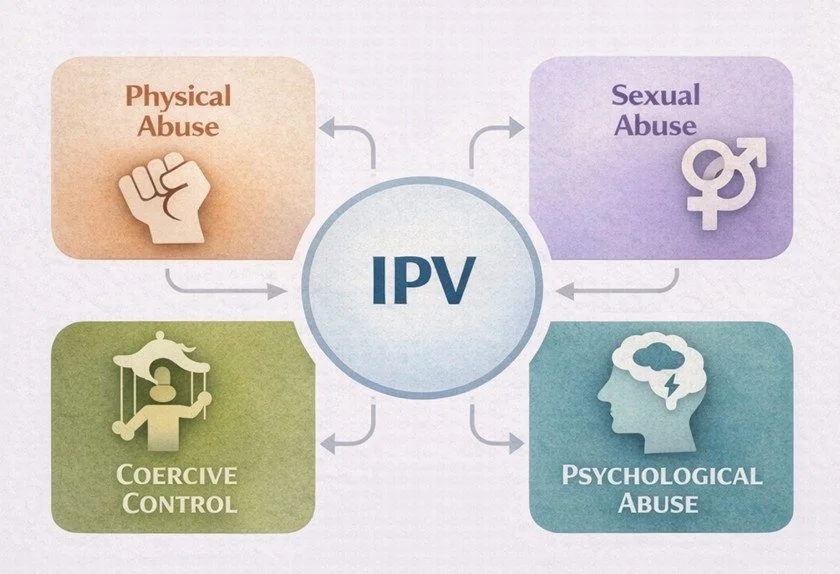
A much overlooked issue facing many men is domestic abuse. There is little awareness of the extent to which men are victims of domestic abuse. Men are less likely to perceive what is happening to them as abuse. Men are also less likely to tell anyone, often fearing that they won’t be believed, and fearing ridicule. Mark Brooks (Chairman of ManKind Initiative UK) reported on the charity’s anonymous helpline for male victims of domestic abuse, designed to meet the needs of male victims, many of whom have never spoken to anyone about their abuse. Such services are crucial to supporting male victims and helping them to escape abusive relationships.
A number of presenters discussed projects designed to improve the wellbeing of men. For example, Nathan Roberts from A Band of Brothers presented their rites of passage programme, in which men from the local community enable disaffected young men to grow personally and socially as they approach adulthood, effectively reducing offending. Ianto Doyle and Luke Harney from Journeyman UK presented on another rites of passage programme based in the South West of the UK. The Journeyman programme is an annual rites of passage adventure weekend with teenagers, which provides models of positive masculinity.
It was good to see such a focus on positive aspects of masculinity, and this was one of the themes of the conference. One of the keynote speakers, Professor Matt Englar-Carlson (Califonria State University) noted, that a lot of attention is paid to aspects of masculinity which are seen as negative (the unhelpful notion of ‘toxic masculinity’). Englar-Carlson argued that much academic literature focusses on male pathology and problems, with insufficient attention paid to positive aspects of masculinity in our understanding of men, and how this can limit empathy for difficulties facing men. This theme was expanded by John Barry (University College London, and co-founder of the Male Psychology Network) and journalist Martin Daubney (founder of the Men and Boys Coalition) in their presentation of their study examining predictors of positive mental attitude in men. Contrary to popular stereotypes about men, they found that values of honesty and reliability are important to British men, and that job satisfaction and being in a long-term relationship were the strongest predictors of happiness in men.
One of the conference themes was criminality and what could be done about it, with a focus on the needs of male offenders. Two of the keynote speakers discussed limitations in the ability of the forensic mental health system to understand and address the needs of men.
In her keynote, Dr Naomi Murphy (HMP Whitemoor) discussed the importance of addressing trauma in male offenders with personality disorders in order to ensure effective rehabilitation. Many serious offenders have a history of significant trauma, such as sexual abuse, neglect, and physical and emotional abuse. However, this has often not been addressed. Dr Murphy presented a new approach which seeks to address the trauma, increase capacity for emotional intimacy and improve wellbeing. In his keynote, Dr Ashley-Christopher Fallon (Birmingham & Solihull Mental Health Foundation Trust) discussed the lack of attention to male gender issues in rehabilitation programmes, despite the majority of service users being male. He presented Birmingham & Solihull’s Male Gender Strategy, designed to improve effectiveness of work with male service users. Initiatives such as these are likely to be crucial to the ability of forensic services to help male offenders, and thereby also reduce reoffending.
We have included details of only some of the many excellent presentations to give a flavour of the work being done. A full list of the presentations and posters from the conference is available here: https://malepsychology.org.uk/the-conference-2018/
It was amazing to see the passionate work being undertaken by researchers from various fields, and practitioners, all with the aim of ultimately promoting the mental health and wellbeing of men and boys – we look forward to attending next year’s conference, the first year in which Male Psychology is an official section of the British Psychological Society (BPS).
This article was first published on the Male Psychology Network website in 2018.
Scroll down to join the discussion
Disclaimer: This article is for information purposes only and is not a substitute for therapy, legal advice, or other professional opinion. Never disregard such advice because of this article or anything else you have read from the Centre for Male Psychology. The views expressed here do not necessarily reflect those of, or are endorsed by, The Centre for Male Psychology, and we cannot be held responsible for these views. Read our full disclaimer here.
Like our articles?
Click here to subscribe to our FREE newsletter and be first
to hear about news, events, and publications.





When a male is in a power imbalance, at least two masculine instincts are disempowered…

…people – men and women alike – respond less positively to male-favouring sex differences than they do to female-favouring sex differences.
hyper-masculine gender norms are typically embedded within military institutions, and while adherence to these norms can contribute to combat and military success, they conversely make clinical work challenging
Men might benefit greatly from a government strategy aimed at improving their health. Here are suggestions from the Centre for Male Psychology on how that might be done. This article ends with some comments on potential pitfalls in the process of putting this strategy in place.



…people – men and women alike – respond less positively to male-favouring sex differences than they do to female-favouring sex differences.


… many papers do not even bother to identify or justify the nationality of their samples…

hyper-masculine gender norms are typically embedded within military institutions, and while adherence to these norms can contribute to combat and military success, they conversely make clinical work challenging

Have you got something to say?
Check out our submissions page to find out how to write for us.
hyper-masculine gender norms are typically embedded within military institutions, and while adherence to these norms can contribute to combat and military success, they conversely make clinical work challenging
hyper-masculine gender norms are typically embedded within military institutions, and while adherence to these norms can contribute to combat and military success, they conversely make clinical work challenging
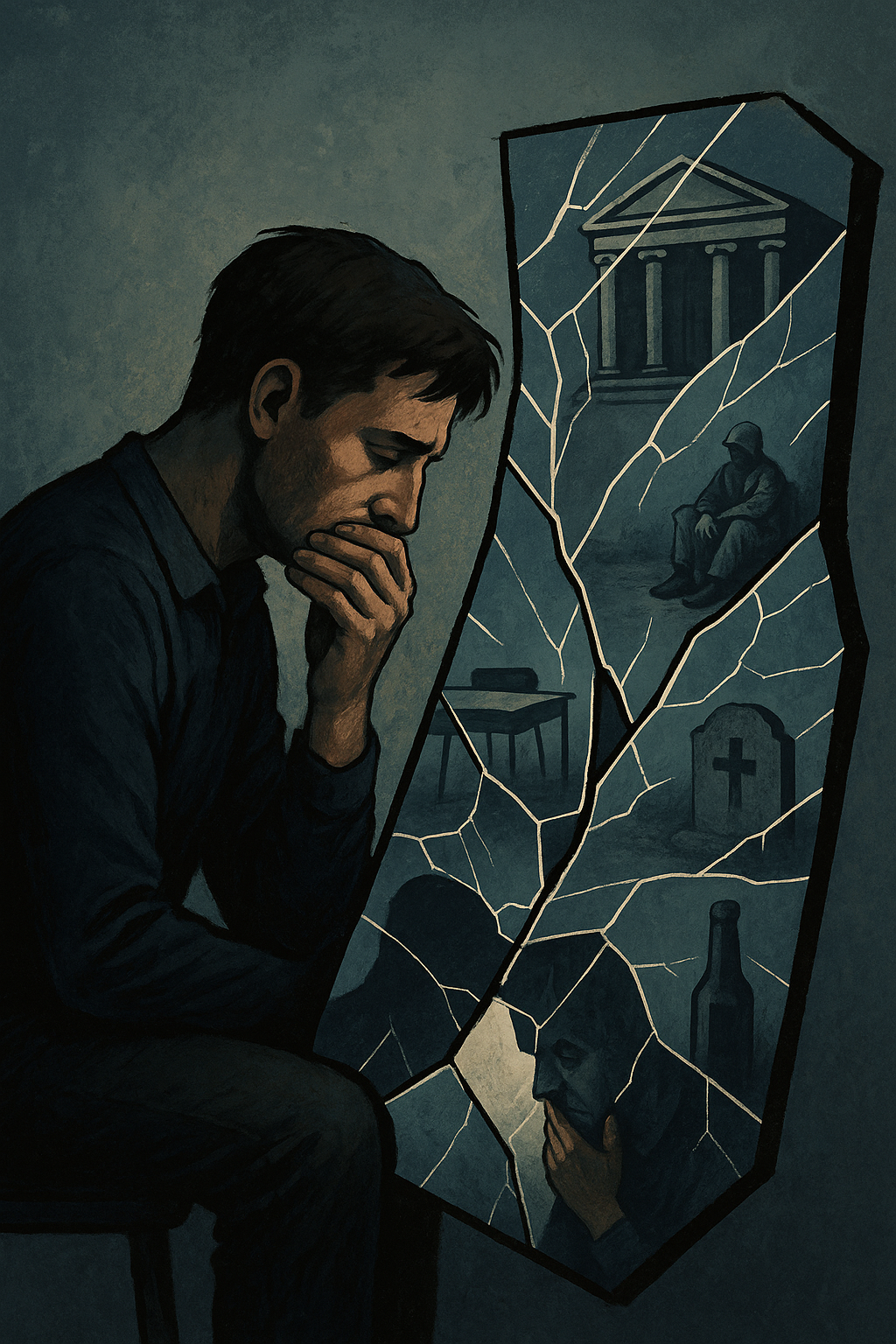
hyper-masculine gender norms are typically embedded within military institutions, and while adherence to these norms can contribute to combat and military success, they conversely make clinical work challenging

hyper-masculine gender norms are typically embedded within military institutions, and while adherence to these norms can contribute to combat and military success, they conversely make clinical work challenging

hyper-masculine gender norms are typically embedded within military institutions, and while adherence to these norms can contribute to combat and military success, they conversely make clinical work challenging

Much of our attitudes, theorizing and public debate around men and masculinity is influenced by high profile feminist and Gender Studies scholars in academia. But what is the scientific quality of publications from these scholars?

Some people blame drill music – a form of rap - for the rising murder rate in London. Drill is known for aggressive lyrics about gang violence, but rather than seeing this as a valuable way for young men to express their feelings, some people want to ban it.

To survive… cultures have to use men and women effectively and … in fact, most cultures have used men and women in different ways… what our culture does is [grant] greater status to men and greater protection to women

hyper-masculine gender norms are typically embedded within military institutions, and while adherence to these norms can contribute to combat and military success, they conversely make clinical work challenging

There are around 300,000 veterans living with hearing loss in the UK, according to The Royal British Legion. In addition to being at a greater risk of PTSD, depression, and anxiety, many vets are also battling psychological distress from hearing problems.
The book begins with a description of her therapeutic approach, and an illustration of how to understand and work with the rage often seen in male CSA clients.

I felt in my dealings with some police officers, as though I were treated firstly as a man (assumed to be a perpetrator), but they’d overlooked risks associated with my impairment. Example: How can you dodge a missile you don’t see coming?

The Panorama programme on domestic violence failed to adequately highlight two important issues: male victims and female perpetrators.

your photograph, name and address, might appear in the local and national press and on TV, insinuating what an evil monster you are

…an attack upon masculinity is an attack upon one’s sense of self, of identity. …What, then, is the right psychological defence against such an attack?

The male has been designed to “look”, not only at the female, but to “look out” for prey, for danger, and for ways to protect his family unit.

If his child is allowed to live, this man must be available, for the rest of his life, to love and provide for his child… If, on the other hand, it is decided that his child is to be destroyed, he should be able to go about his life as if nothing has happened
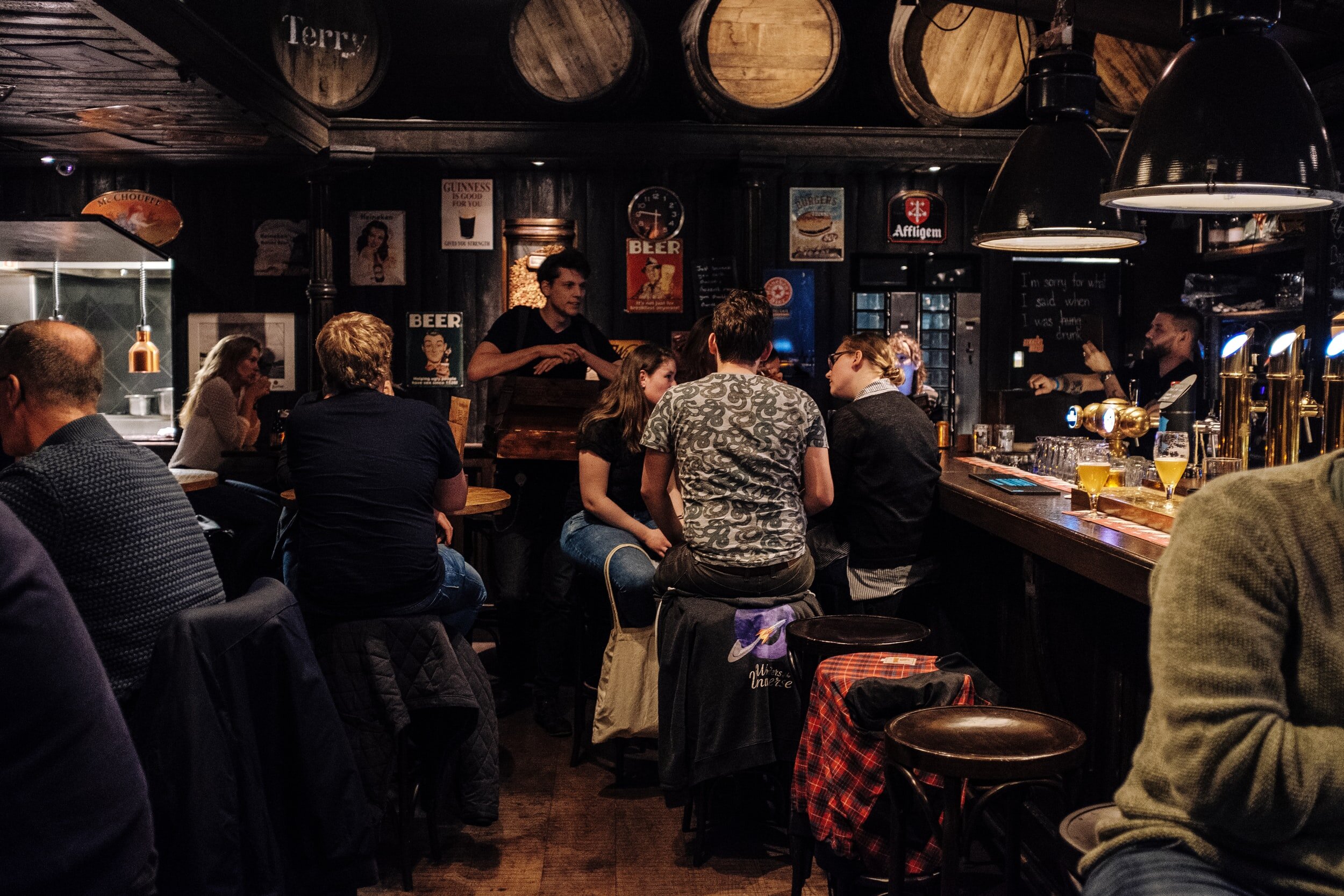
Socialising is a basic human need. The opposite – social isolation – is one of the worst forms of torture. Some people look down on the local pub as a place for undesirable riff raff, but that narrow viewpoint misses entirely the community value of the pub

Male psychology is a recent development in academia. Unlike gender studies, feminism, and men’s studies, male psychology takes the view that we can gain more by recognising and harnessing the positive aspects of masculinity than we can by taking a relentlessly negative approach to men.

.
Dr Becci Owens is a Lecturer in Psychology at the University of Sunderland, a Chartered Psychologist, and a Fellow of the Higher Education Academy. She is an evolutionary psychologist with a research focus on male psychology and mental health, sex differences in mating behaviours and mating strategies, and body image and modifications.
Dr Helen Driscoll is a Senior Lecturer in Psychology at the University of Sunderland. She gained her BSc (Hons) Psychology degree from Newcastle University and PhD in Psychology from Durham University. Helen is a Chartered Psychologist and a Senior Fellow of the Higher Education Academy. Her PhD examined sex differences in intrasexual aggression and intimate partner violence from an evolutionary perspective. Helen’s current research interests include sexual behaviour and sexuality, male psychology, dark personality and adult play.