

Two Comedians and the Male Mind

When we were kids, my friend Will and I had been sitting on the floor of my parents’ family room playing video games like we had for years. My mother offered snacks, then made fun of an old picture of me. She pointed to a toddler with long curly hair and said, “Look at Amit, doesn’t he look like a little girl?” Will’s head shook like he was smacked and said, “That’s you?! I thought you had a sister that died and you didn’t want to talk about it.” We laughed uncontrollably, in that way kids are lucky enough to be able to.
The value of humour for males is consistently found in research. Researchers Mark S. Kiselica and Matt Englar-Carlson find that “many boys and men use humour as a vehicle to attain intimacy, as a means of having fun and creating happy experiences with other boys, as a foundation for building and supporting a friendship, as a way to demonstrate that they care about others, and as a strategy to reduce tension and manage conflicts. Also, research indicates that boys and men use humour as a healing and coping tool in times of stress and illness.” Recent research has highlighted humour in male coping with COVID-19.
On September 14, 2021, the world lost the whimsical, wistful wit of comedian Norm Macdonald. His last contribution to comedy was his posthumous Netflix comedy special Nothing Special. After his performance, the audience is treated to a discussion about the late stand-up by fellow comedians. Dave Chappelle shared touching memories that implicitly pointed to deep truths about the male psyche.
The first reality that Mr. Chappelle highlights reflects the importance of humour in male coping and relationships. He shared, “When my dad died, I had to do a movie with Norm and I tried everything to get out of that movie because I was inconsolable. And I couldn’t get out of it. And working with him was the greatest thing that ever happened to me.” He recalled that “work was like a church I’d go to, like I couldn’t wait to get to work and just hang around this guy.”
Adam Sandler asked what Mr. Macdonald did in particular and if they talked about the loss. Mr. Chappelle smiled and replied, “It never came up, he just made me laugh.”
Another moment from the discussion showcased the function of humour in providing empathic care and support in male relationships: Saturday Night Live alum Molly Shannon highlighted how thoughtful and caring Mr. Macdonald could be, commenting, “I’m sure he really was like, trying to make you feel so good; so sweet and thoughtful, and probably thought deeply about that that’s how he would approach it.” Mr. Chappelle nodded and remarked, “It was . . . . It seemed very thoughtful and wildly, disarmingly empathetic.”
“[Men’s] group dynamics evolved from hunting and warfare. A joke to ease the tension while the sickle of death floated over your head was probably a better strategy than to have a forthright discussion of fears, regrets, and last Tuesday’s nightmare.”
Mr. Chappelle noted, “My favorite comedy . . . makes people feel safe, like everything’s going to be alright.” This strikes me as a profound ancestral truth for males; after all, our group dynamics evolved from hunting and warfare. A joke to ease the tension while the sickle of death floated over your head was probably a better strategy than to have a forthright discussion of fears, regrets, and last Tuesday’s nightmare.
When my father died, humour helped me too. I remember calling my friends to inform them of his death and the upcoming services. They were supportive, caring, and encouraging. These kind and honorable men made me feel warm and loved. Except for Will, who, with perfect comedic timing, asked, “Is your dead sister going to be there?” I laughed so hard. It made me feel lighter. I felt cleansed. His comment was a call back to a perfect moment of humour from our childhood. Decades later, Will’s crude joke was just what I needed at the depths of my grief. It made me feel like everything was going to be all right.
Another aspect of Mr. Chappelle’s account of recovery from crippling grief was not stated directly but is equally revealing. He went back to work. Males’ productive capacity, particularly in the provider role, is a deeply fulfilling aspect of men’s lives. When that part is missing, it can be devastating.
“As much of a blow as it is to my ego as a therapist, I must admit that a positive change at work or a return to work for many of my male clients did far more to improve their mental health than anything that occurred in therapy.”
Unemployment is a major risk factor for suicide, and men die of suicide three to four times more than women. Unemployment and retirement are the top risk factors for feelings of hopelessness in men. Unsurprisingly, studies including thousands of British and American men found that the top factor predicting well-being was job satisfaction.
As much of a blow as it is to my ego as a therapist, I must admit that a positive change at work or a return to work for many of my male clients did far more to improve their mental health than anything that occurred in therapy.
Speaking of therapists’ egos, the last truth revealed by Mr. Chappelle’s story is that therapy is not always the answer, which is at odds with contemporary advice culture. We don’t know if Mr. Chappelle was in therapy, but if he were, it appears that working with Mr. MacDonald did a lot more to help him.
Therapy is immensely helpful for many people, including many men. I wouldn’t be a therapist if I wasn’t absolutely convinced of that—I see it every day. Nonetheless, the modern mental healthcare system may not be well suited for many men. Of course, for severe symptoms, particularly suicidal thoughts and certain conditions like bipolar disorder or schizophrenia, professional help is necessary. But for others, people can and do get better without therapy.
This message that there are alternatives to therapy is particularly salient in today’s culture, in which therapy often qualifies as bona fides for maturity, humility, and goodness—even a prerequisite for a romantic partner. Despite therapy’s now almost mythic stature, there are other mental wellness options for those who don’t find therapy a good fit.
Supportive male environments where men engage in activity but also provide mutual support, like Men’s Sheds or F3 Nation, are growing. Some men may benefit from a more auto-didactic approach, such as studying stoicism (which is the philosophical forefather to cognitive behavioral therapy) or seeking therapeutic insights and strategies from more male-friendly online content like psychiatrist Dr. Alok Kanojia’s Healthy Gamer resources.
For men, the path to recovery from emotional distress includes many different possible components. Therapy should be considered, but other avenues to mental wellness shouldn’t be dismissed. Men should also critically assess whether changes need to be made to improve work engagement and satisfaction. And, of course, they should pick up the phone and call their funniest friend.
Scroll down to join the discussion
Disclaimer: This article is for information purposes only and is not a substitute for therapy, legal advice, or other professional opinion. Never disregard such advice because of this article or anything else you have read from the Centre for Male Psychology. The views expressed here do not necessarily reflect those of, or are endorsed by, The Centre for Male Psychology, and we cannot be held responsible for these views. Read our full disclaimer here.
Like our articles?
Click here to subscribe to our FREE newsletter and be first
to hear about news, events, and publications.

…people – men and women alike – respond less positively to male-favouring sex differences than they do to female-favouring sex differences.
hyper-masculine gender norms are typically embedded within military institutions, and while adherence to these norms can contribute to combat and military success, they conversely make clinical work challenging
Men might benefit greatly from a government strategy aimed at improving their health. Here are suggestions from the Centre for Male Psychology on how that might be done. This article ends with some comments on potential pitfalls in the process of putting this strategy in place.



…people – men and women alike – respond less positively to male-favouring sex differences than they do to female-favouring sex differences.


… many papers do not even bother to identify or justify the nationality of their samples…

hyper-masculine gender norms are typically embedded within military institutions, and while adherence to these norms can contribute to combat and military success, they conversely make clinical work challenging


There is social power, there is structural power, and there is physical power. What women have in our society is the power of the state behind them, and men do not. Men only have that physical power, and most men don’t want to use it
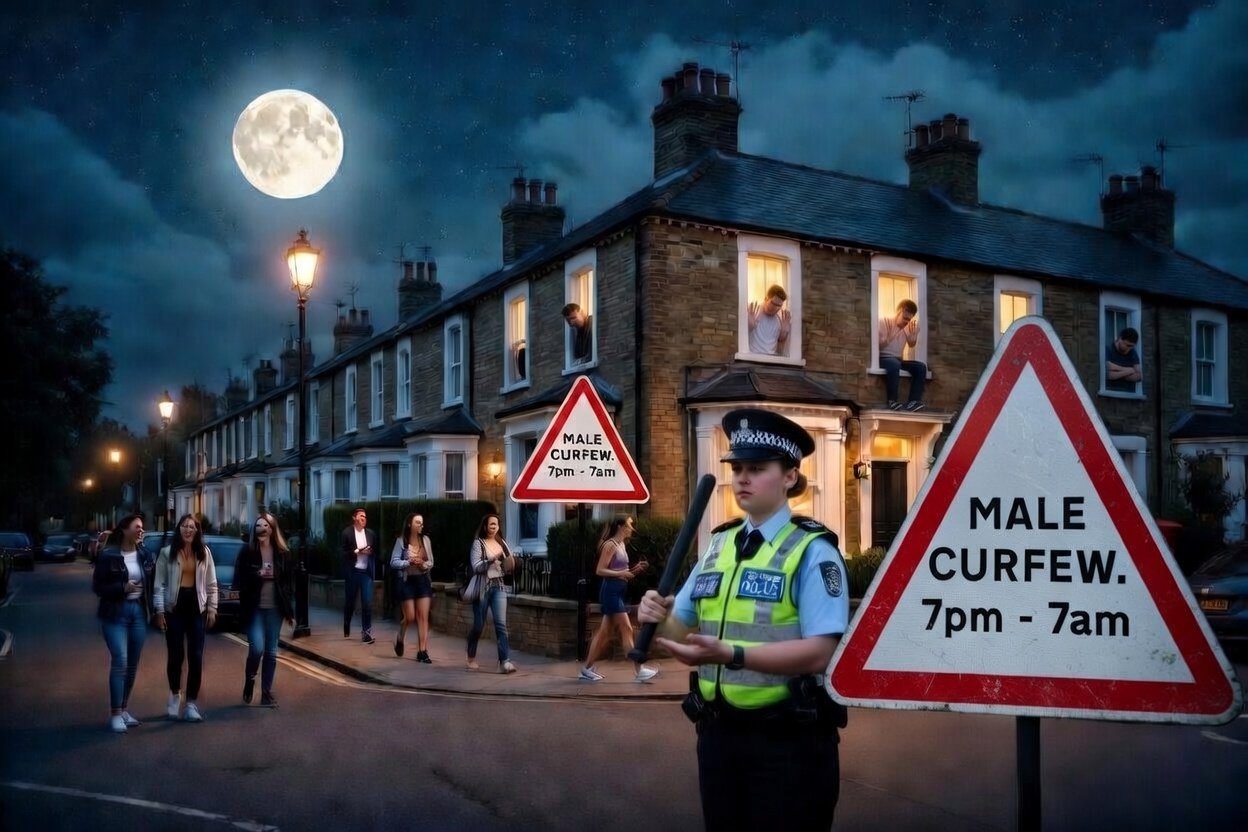
people are more aware of the fact men can be victims of this type of violence, but this often isn’t translated into policy, practice or indeed provision of resources
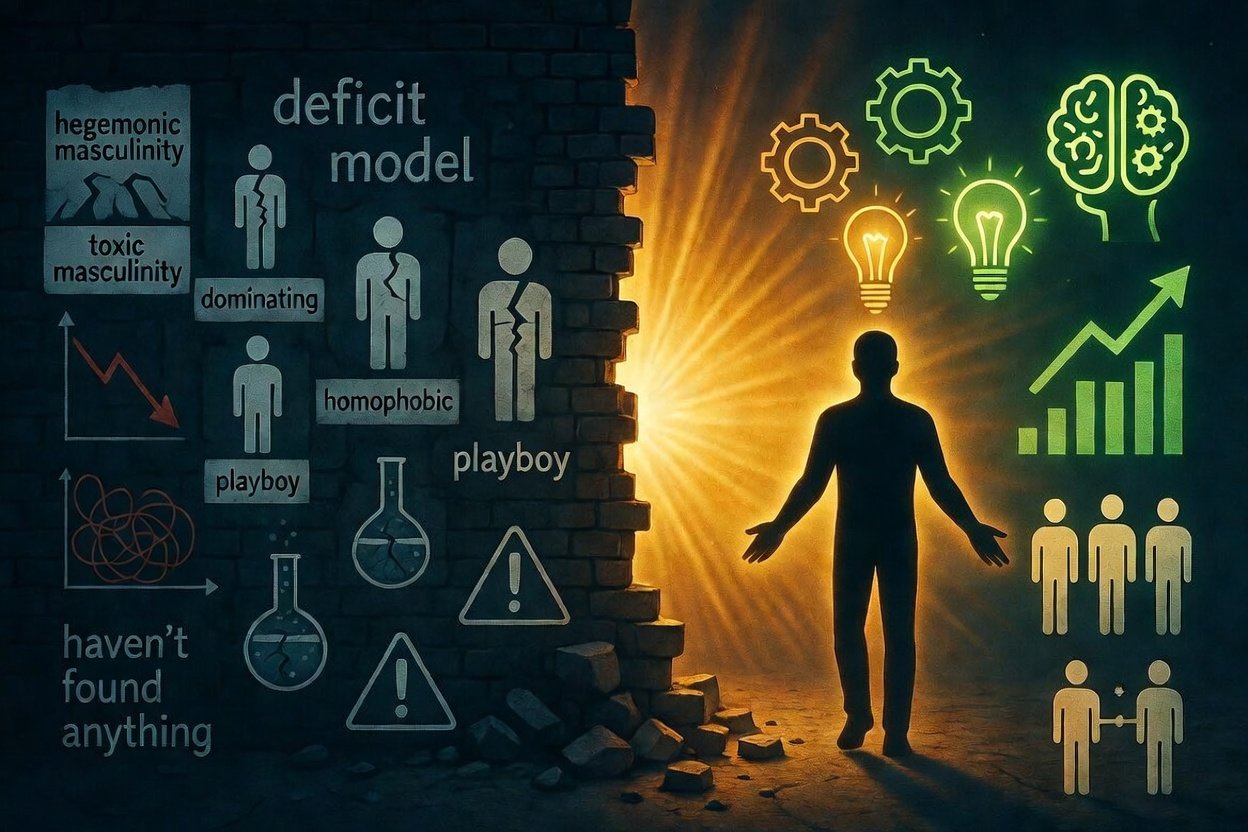
Therapists can work effectively with men experiencing distress without asking them to change. Telling them they are ‘doing masculinity wrong’ is judgemental and victim blaming.


people are more aware of the fact men can be victims of this type of violence, but this often isn’t translated into policy, practice or indeed provision of resources


people are more aware of the fact men can be victims of this type of violence, but this often isn’t translated into policy, practice or indeed provision of resources
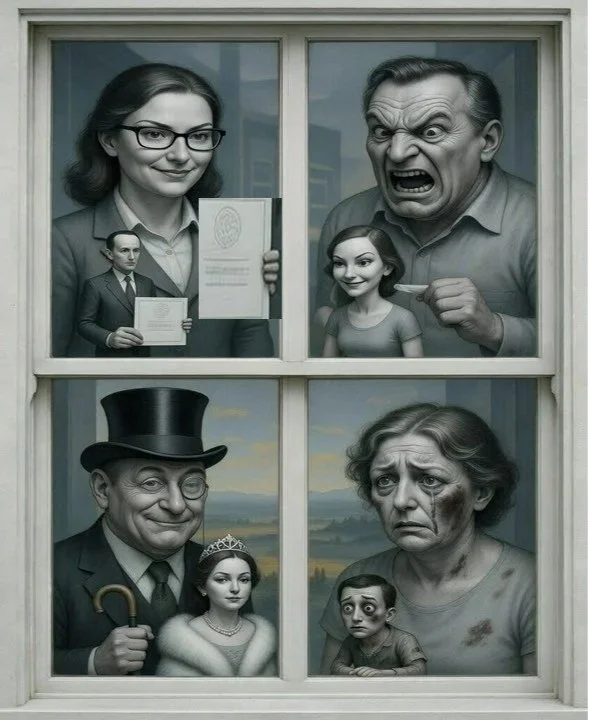
people are more aware of the fact men can be victims of this type of violence, but this often isn’t translated into policy, practice or indeed provision of resources

Against the backdrop of this thinking, the Centre for Male Psychology has come up with 'bite size' guidance of five points to think about in relation to men’s mental health.
Have you got something to say?
Check out our submissions page to find out how to write for us.
hyper-masculine gender norms are typically embedded within military institutions, and while adherence to these norms can contribute to combat and military success, they conversely make clinical work challenging

hyper-masculine gender norms are typically embedded within military institutions, and while adherence to these norms can contribute to combat and military success, they conversely make clinical work challenging
hyper-masculine gender norms are typically embedded within military institutions, and while adherence to these norms can contribute to combat and military success, they conversely make clinical work challenging

hyper-masculine gender norms are typically embedded within military institutions, and while adherence to these norms can contribute to combat and military success, they conversely make clinical work challenging

hyper-masculine gender norms are typically embedded within military institutions, and while adherence to these norms can contribute to combat and military success, they conversely make clinical work challenging

Much of our attitudes, theorizing and public debate around men and masculinity is influenced by high profile feminist and Gender Studies scholars in academia. But what is the scientific quality of publications from these scholars?

Some people blame drill music – a form of rap - for the rising murder rate in London. Drill is known for aggressive lyrics about gang violence, but rather than seeing this as a valuable way for young men to express their feelings, some people want to ban it.

To survive… cultures have to use men and women effectively and … in fact, most cultures have used men and women in different ways… what our culture does is [grant] greater status to men and greater protection to women

hyper-masculine gender norms are typically embedded within military institutions, and while adherence to these norms can contribute to combat and military success, they conversely make clinical work challenging
There are around 300,000 veterans living with hearing loss in the UK, according to The Royal British Legion. In addition to being at a greater risk of PTSD, depression, and anxiety, many vets are also battling psychological distress from hearing problems.

The book begins with a description of her therapeutic approach, and an illustration of how to understand and work with the rage often seen in male CSA clients.

I felt in my dealings with some police officers, as though I were treated firstly as a man (assumed to be a perpetrator), but they’d overlooked risks associated with my impairment. Example: How can you dodge a missile you don’t see coming?

The Panorama programme on domestic violence failed to adequately highlight two important issues: male victims and female perpetrators.

your photograph, name and address, might appear in the local and national press and on TV, insinuating what an evil monster you are

…an attack upon masculinity is an attack upon one’s sense of self, of identity. …What, then, is the right psychological defence against such an attack?

The male has been designed to “look”, not only at the female, but to “look out” for prey, for danger, and for ways to protect his family unit.

If his child is allowed to live, this man must be available, for the rest of his life, to love and provide for his child… If, on the other hand, it is decided that his child is to be destroyed, he should be able to go about his life as if nothing has happened

Socialising is a basic human need. The opposite – social isolation – is one of the worst forms of torture. Some people look down on the local pub as a place for undesirable riff raff, but that narrow viewpoint misses entirely the community value of the pub

Male psychology is a recent development in academia. Unlike gender studies, feminism, and men’s studies, male psychology takes the view that we can gain more by recognising and harnessing the positive aspects of masculinity than we can by taking a relentlessly negative approach to men.

.
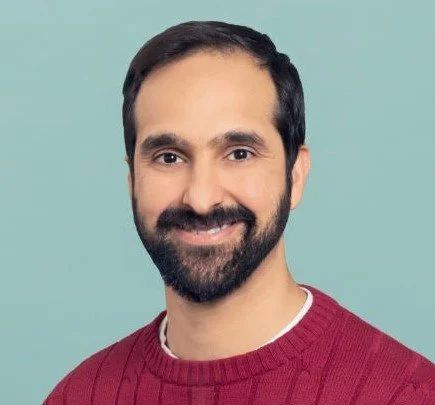 Amit Kumar
Amit Kumar, LCSW-C, is a psychotherapist with over 15 years of experience. He practices in the Baltimore, Maryland, area of the United States.